Introduction
For clinics, orthotic labs and private label distributors, consistent custom orthotic output starts with reliable foot mapping. Plaster casts and foam impressions still see use, yet they carry inherent human error and slow turnaround. A standardized foot scan workflow delivers repeatable digital geometry that ties directly into CAD design, CNC milling and 3D printing, helping your operation cut fit-related rework and stabilise batch quality for custom orthotic orders.
What Reliable Foot Mapping Captures for Orthotic Fabrication
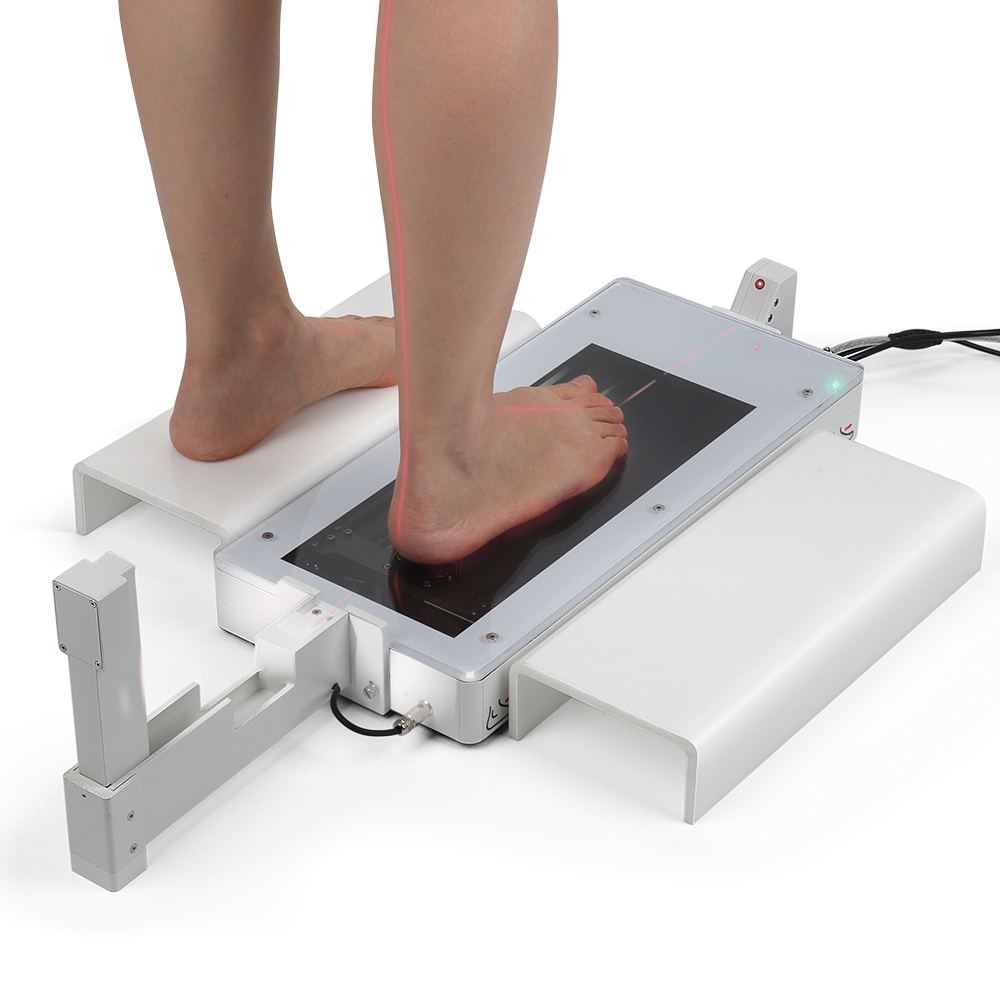
A properly executed foot scan records far more than basic length and width. It captures arch contour, heel cup geometry, forefoot splay, bony landmarks and soft tissue deflection under controlled loading conditions. Clinicians and lab teams can select weight-bearing, semi-weight-bearing or non-weight-bearing scan modes aligned with the intended orthotic prescription. This dataset forms the master reference for posting, pressure redistribution and support zoning, rather than relying on manual estimation.
Key Advantages of Digital Foot Scan Data Over Traditional Impressions
Digital foot files travel instantly between clinic, prescription team and manufacturing floor. There is no risk of deformed casts in transit, and valid scans can be stored long-term for repeat orders or revision work. When paired with a factory’s fixed CAD rules, matching scans produce orthotics with predictable profile consistency. This reduces the cycle of re-scanning, re-sampling and back-and-forth that eats into clinic and lab capacity.
Workflow Integration: From Scan File to Finished Orthotic
Clean scan exports in STL or OBJ format drop directly into your orthotic design pipeline. Our technical team reviews each file for noise, alignment and missing surface data before starting CAD modification. We apply prescription parameters such as arch support height, heel posting and cutline boundaries, then pass the validated model to CNC cutting or 3D printing. Every adjustment stays linked to the original scan, so audit trails remain intact for medical documentation.
Quality Checks That Prevent Scan-Related Production Failures
Not all foot scan files are production-ready. Common issues include tilted foot positioning, incomplete heel capture and excess surface noise that skews the final orthotic shape. Our team applies a pre-production scan validation step: verifying landmark alignment, checking scan resolution and flagging distorted files before fabrication begins. This simple checkpoint lowers rejection rates and keeps lead times on track for high-volume custom orthotic programmes.
Considerations for B2B Orthotic Partners
If your business ships custom orthotics to multiple podiatry clinics or runs a private label orthotic line, scanner compatibility and standardised capture protocols matter. We accept scan outputs from most mainstream 3D foot scanners and can share capture guidelines for your clinical teams. This standardisation supports multi-site operations, keeps your prescription language consistent and makes scaling custom orthotic supply much simpler.
Conclusion
Foot scan mapping is the foundational input for dependable custom orthotic production. Clean, well-calibrated scan data reduces fit complaints, streamlines documentation and creates a traceable digital workflow from assessment through delivery. We supply compatible 3D foot scanners alongside our orthotic manufacturing service. Reach out if you want to learn more about our scanners, supported file formats and how to build a seamless scan-to-orthotic workflow for your clinic or lab.
Browse Related Products: https://www.aideastep.com/product/xsol-3d-laser-foot-plantar-scanner/.