Introduction
Brands and distributors often weigh memory foam and gel insoles when building comfort-focused catalogs. Neither material acts as a universal substitute for the other. Each carries unique feel, wear life, cost profile and customer appeal that directly shapes SKU planning, margin structure and return rates. This comparison is written for B2B sourcing teams, to help you place each material into the right market segment without overcomplicating your inventory mix.
Core Performance Differences
- Memory foam insoles – Slow-rebound PU foam that contours closely to a foot’s unique shape. It spreads pressure evenly across contact surfaces and delivers a plush, moulded fit. Its main drawbacks are heat retention and compression set in low-density grades, especially with heavier users or those standing static for long hours.
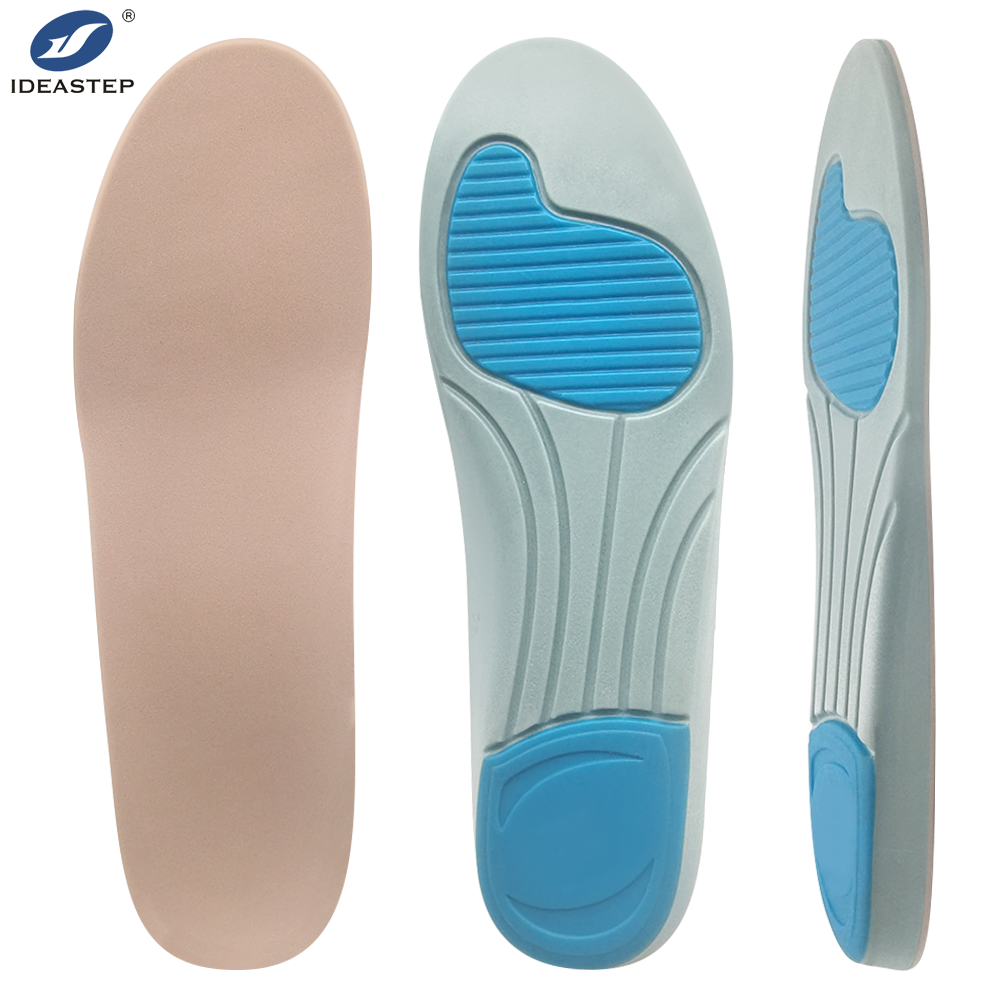
- Gel insoles – Most use silicone or elastomer gel pads embedded into a foam base. Gel provides fast, responsive shock absorption, best deployed at high-impact zones such as the heel and forefoot. It holds up well under repeated dynamic loading, though full-gel builds can feel slippery or overly soft if the supporting base is poorly calibrated.
Where Memory Foam Fits In Your Wholesale Portfolio
Memory foam works best where personalised comfort is the core selling point:
- Everyday casual and lifestyle footwear lines, marketed around custom moulded feel
- Retail gift sets and mid-tier comfort assortments with strong visual appeal
- Indoor, low-activity scenarios where heat buildup is less of a concern
- Clinic add-on comfort packs for patients needing gentle pressure redistribution, not corrective orthotic support
When ordering in bulk, specify high-density memory foam to slow flattening. Low-density options lower unit cost but raise return risk once end users notice permanent compression. Many private label clients use memory foam as their flagship comfort SKU, pairing it with antimicrobial topsheets to cut odour-related complaints.
Where Gel Insoles Fit In Your Wholesale Portfolio
Gel is designed for targeted impact relief, making it a natural fit for high-demand use cases:
- Occupational lines for workers on their feet through extended shifts
- Sport and training ranges focused on heel strike and metatarsal relief
- Forefoot pain relief SKUs built with discrete gel pads instead of full-foot gel construction
- Warm-climate markets where heat retention from memory foam becomes a disadvantage
Most viable gel wholesale lines follow a hybrid structure: a stable foam carrier with encapsulated gel zones. Pure full-gel insoles usually push production costs higher and are more likely to fail adhesion tests after repeated flex cycles.
Sourcing and QC Points for Bulk Orders
These material-specific checks help maintain batch consistency for both variants:
- Memory foam: Complete compression set testing and lock in density specs. Request documentation for thickness retention after accelerated load cycles.
- Gel: Check gel encapsulation quality, bond strength between gel and base foam, and resistance to oil bleed over time. Bleeding gel damages footwear and triggers large volumes of complaints.
- Topsheet compatibility: Both materials pair well with moisture-wicking fabric, but memory foam gains more from breathable layers to reduce heat trapping.
- Labelling clarity: Keep these comfort inserts clearly separated from corrective orthotics. Avoid therapeutic medical claims unless you hold full compliance documentation.
Building a Balanced Lineup: Mixing Both SKUs
You do not need to commit to just one material. Most distributors structure tiers like this:
- Entry tier: Budget memory foam for fast-turn retail stock
- Mid tier: Hybrid gel zone insoles for work and active use
- Premium tier: High-density memory foam or precision gel pads paired with supportive EVA bases
This simple framework gives sales teams clear talking points. Your downstream buyers can select based on end-user activity level instead of navigating vague product descriptions. Bundling both styles also helps lift average order value for clinic and retail partners.
FAQ
Which offers better long-term durability for bulk wholesale?
High-density memory foam and properly sealed gel zones deliver similar service life. Low-density memory foam and poorly encapsulated gel pads wear rapidly. Durability depends largely on material grade and manufacturing quality, not the foam or gel itself.
Can memory foam or gel insoles replace clinical orthotics?
No. Both are comfort inserts built for cushioning and pressure distribution. They lack the rigid or semi-rigid shell structure needed to control foot alignment for biomechanical correction.
Are gel insoles always more expensive than memory foam?
Not always. Cost depends on gel volume and encapsulation design. Small, targeted gel pads add a modest premium, while full-foot gel construction drives costs far above standard memory foam options.
Which performs better across retail and clinic channels?
Memory foam resonates with retail customers drawn to a personalised fit. Gel insoles perform better for occupational and clinic buyers addressing standing fatigue and impact stress.
Can we brand both styles under the same private label program?
Yes. We can align packaging, sizing guides and branding while keeping separate material specs and sample validation for each SKU.
Conclusion
Memory foam and gel insoles serve distinct priorities within your wholesale lineup. Memory foam delivers personalised, moulded comfort, while gel provides responsive, targeted shock relief for active and standing users. A well-tiered mix lowers inventory risk and gives your partners clear options for their audiences. Reach out to compare sample sets, test data and customisation terms for both memory foam and gel insole lines.
Related Reading: Is Gel or Memory Foam Better for Shoe Inserts?.