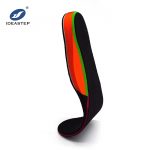
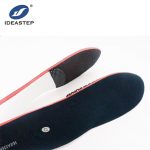
Cushioned insoles deliver consistent high-volume revenue for footwear brands, pharmacy distributors and clinic product assortments. Unlike corrective orthotics built to manage foot alignment, these inserts focus on shock dissipation and pressure redistribution for everyday comfort. Many buyers struggle to maintain steady batch quality, flexible order minimums and predictable lead times as they expand these lines. This guide walks through practical bulk supply frameworks, material choices, customisation paths and supplier validation points tailored for B2B brand and distribution partners.
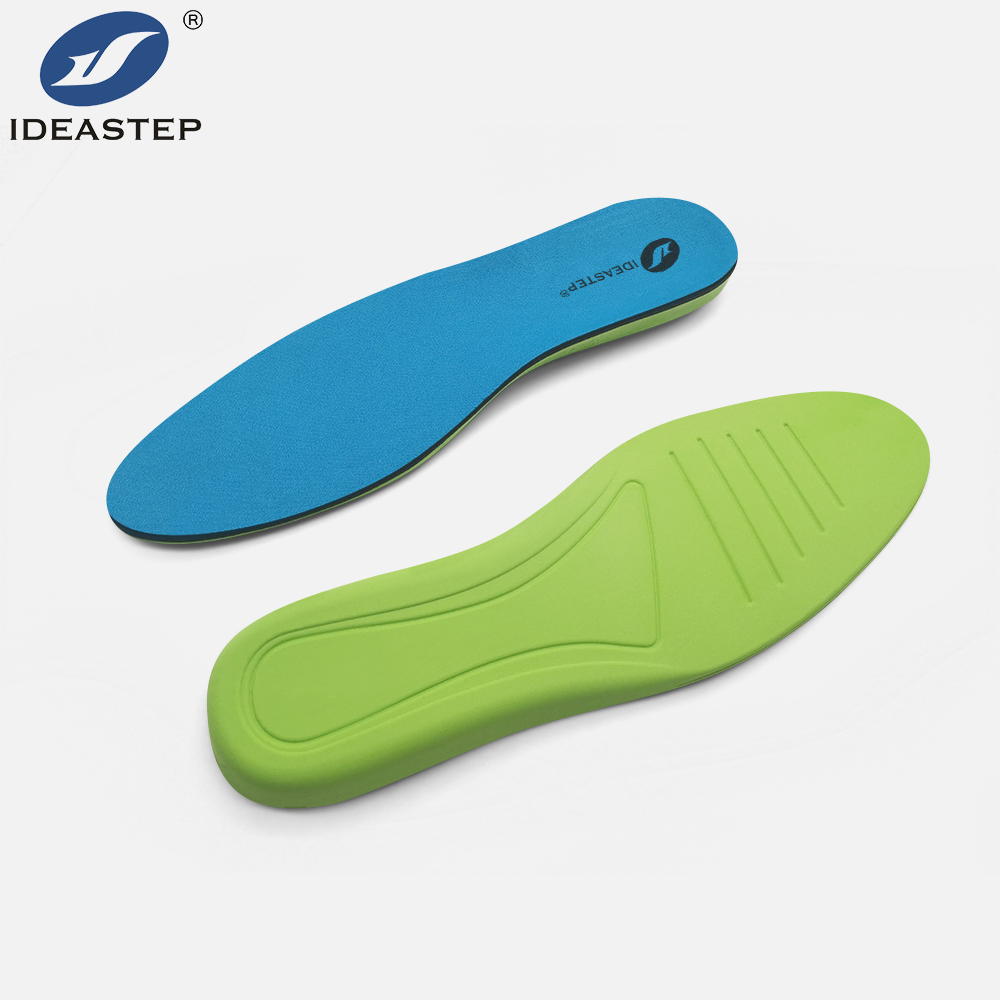
Core Cushioned Insole Variants for Wholesale Portfolios
Organising your catalog by end use simplifies inventory planning and sales conversations. The most common bulk SKUs fall into these groups:
- Everyday comfort insoles – Lightweight, low-profile foam construction, made for casual shoes, work footwear and regular daily wear. These form your high-turnover baseline stock.
- Sport cushioning insoles – Multi-layer foam or gel composite builds, engineered to absorb impact during running, training and long hours on feet. Most feature anti-slip bases and moisture-wicking topsheets.
- 3/4 length cushioned inserts – Slim profile built for narrow dress shoes and heels, delivering forefoot relief without crowding shoe volume.
- Medical comfort cushioned insoles – Low-shear, seamless foam stacks for sensitive feet. Clinics often bundle these alongside orthotics and braces, though they are not designed for corrective biomechanical support.
Material Selection for Bulk Cushioned Insole Orders
Material choices shape unit cost, service life and market positioning. Match foam grade to your target price tier:
- PU foam – Soft, lightweight, common for entry and mid-tier comfort lines. Easy to cut and mould, with a wide range of density options.
- Memory foam – Conforms to foot shape for personalised comfort, popular for retail-facing brands. Less ideal for heavy daily wear where fast rebound is needed.
- EVA foam blends – Strike a balance between cushioning and shape retention. Resists compression set better than basic PU for long-term inventory storage and use.
- Gel layers – Integrated into heel or forefoot zones for targeted shock relief, widely used in premium sport and occupational lines.
- Antimicrobial topsheet fabrics – Reduce odour and skin irritation, a simple upgrade that helps your SKUs stand out from generic commodity stock.
Flexible Bulk Supply Models for Different Buyer Needs
Our bulk programmes adapt to both new product launches and established distribution networks:
- Ready stock wholesale – Standard designs with neutral branding, fast shipping for buyers needing immediate inventory without extended lead times. Well suited for pilot testing and quick restocks.
- OEM custom modification – Adjust foam density, thickness, topsheet colour and print details on proven base designs. Lower MOQ and shorter sampling cycles compared with fully original mould development.
- Private label full customisation – New moulds, custom contouring, branded packaging, printed inserts and tailored sizing sets. Best for brands building exclusive product lines with steady long-term volume commitments.
- Co-packing and kitting – Pair cushioned insoles with orthotic sleeves, ankle supports or care leaflets to create ready-to-sell clinic bundles.
Quality and Consistency Checks Before Bulk Commitment
Cushioned insoles are often dismissed as simple commodity goods, but inconsistent foam density across batches quickly triggers customer complaints. Focus on these checks during sampling and pre-production:
- Compression set testing to confirm foam will not permanently flatten after repeated loading cycles
- Uniform thickness and contour checks across randomly sampled units from the same batch
- Adhesion testing between foam layers and topsheets to avoid delamination
- Material safety and biocompatibility documentation for lines sold in pharmacies or clinical environments
- Third-party inspection options for full container shipments
Pricing, MOQ and Lead Time Expectations
Terms shift depending on whether you order off-the-shelf stock or custom moulded runs:
- Ready stock orders carry lower minimums and ship within days, with pricing structured around volume tiers
- Simple OEM adjustments usually come with moderate MOQs, sampling completed in 1–2 weeks
- New custom moulds require higher minimum quantities and longer lead times for tooling, validation and production
Long-term supply agreements can lock in pricing and reserve production capacity, a key advantage for brands navigating seasonal retail cycles.
FAQ
What separates cushioned insoles from corrective orthotic insoles?
Cushioned insoles prioritise shock absorption and comfort, with minimal structural correction. Orthotic insoles rely on rigid or semi-rigid shells to control alignment and address biomechanical concerns. Clear labelling in your catalog prevents misapplication by clinic and retail partners.
Can cushioned insoles be sold alongside orthotic and brace product lines?
Yes. Many distributors use cushioned comfort lines as a high-volume entry product, while corrective orthotics, ankle and knee braces serve higher-margin clinical sales. Bundling options help lift average order value.
What documentation do I need for cushioned insoles sold in EU markets?
Most comfort cushioned insoles fall under general consumer goods unless marketed as therapeutic medical devices. If labelled for medical indications, you will need a complete technical file, risk assessment and CE marking documentation.
How can I cut return rates for bulk cushioned insole lines?
Standardise sizing guides, clearly note thickness and shoe fit limits, and run wear trials with your customer groups before full rollout. Be transparent about compression performance in product specs to avoid overpromising long-term support.
Can I mix multiple insole styles in one bulk shipment?
Mixed SKU shipments are available, subject to minimum per-style order requirements. This works well for distributors building a broad catalog without committing to large volumes of a single design.
Conclusion
Cushioned insoles are a scalable, reliable addition to brand and distributor portfolios when backed by stable bulk supply. Flexible programmes combine ready stock for fast turnover, lightweight OEM tweaks and private label pathways for exclusive ranges. Consistent foam quality, transparent lead times and clear product classification keep returns low and margins predictable. Reach out to review sample packs, tiered pricing and customisation terms for your wholesale cushioned insole line.
Related Reading:
Cushioned insoles for balls of feet: Reliable Forefoot Relief Solutions for Your Insole Product Line
Cushioned Insoles: Key Materials and Design Features for Insole Manufacturers