Footwear brands constantly deal with a familiar tradeoff for high-heel collections: refined styling often comes at the expense of all-day comfort. Standard full-length orthotics are too bulky for pumps, stilettos and pointed dress shoes, while basic cushion pads only mask discomfort without easing concentrated forefoot pressure. Slim arch support inserts engineered specifically for high heels help your brand clients resolve this pain point, cut product returns and add a tangible selling feature that sets their lineup apart. This piece covers practical design specs, material options, customisation pathways and sourcing checks built for footwear brand partnerships.
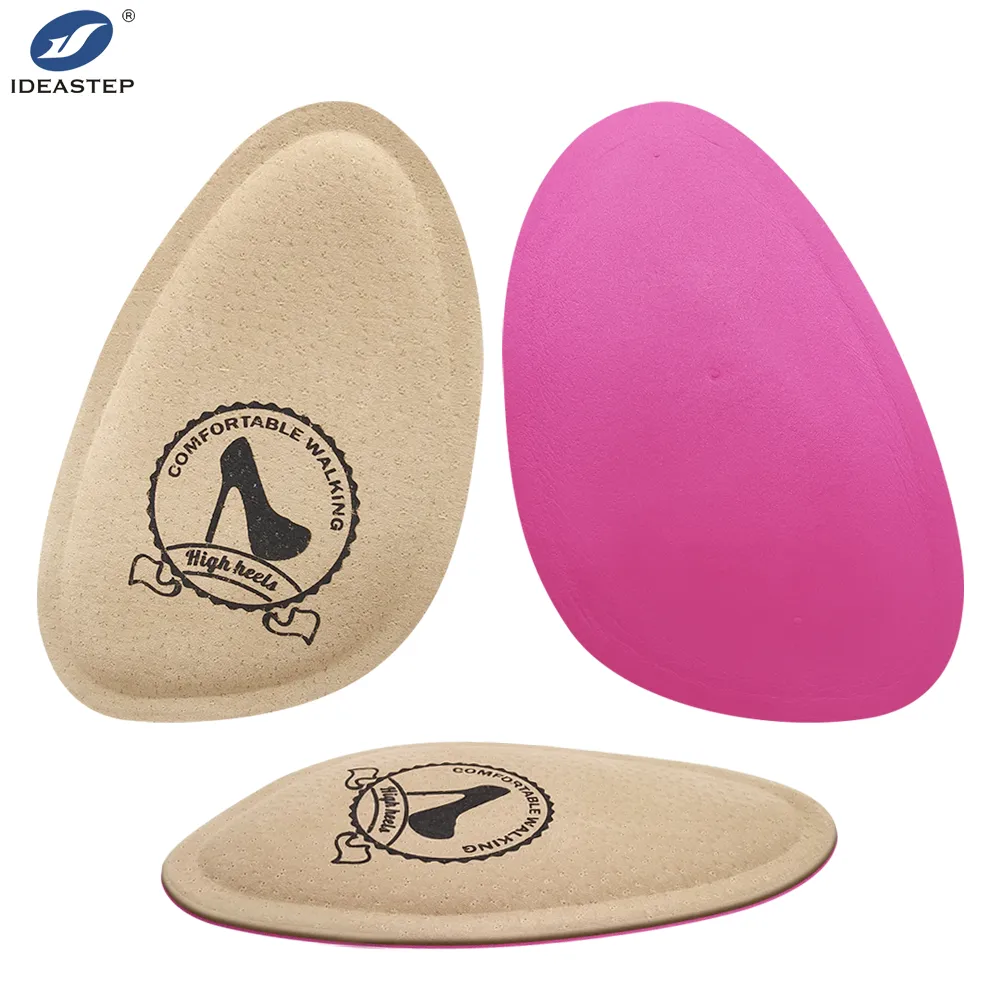
Key Design Features for High-Heel Arch Support Inserts
These inserts follow different biomechanical principles than conventional orthotics. Design priorities centre on low volume and controlled pressure redistribution:
- 3/4 length profile – Omits the toe section to avoid crowding narrow or pointed toe boxes. It fits seamlessly inside pumps, slingbacks and open-toe silhouettes without altering the shoe’s original fit.
- Low-profile moderate arch contour – Gentle, restrained arch geometry. Overly aggressive support lifts the foot unnaturally on a steep heel angle and creates uncomfortable pressure hotspots.
- Integrated metatarsal relief zone – Shifts load away from the ball of the foot, the most common source of pain for regular heel wearers.
- Residue-free self-adhesive base – Stops sliding on the sloped shoe bed, and leaves no sticky residue when removed for cleaning or reuse.
- Thin, low-volume construction – Most finished inserts measure under 3mm at their thickest point, so brands won’t need to adjust shoe lasts or sizing charts.
Material Options for Brand Customisation
Material selection directly impacts price tier, visual finish and end-user experience. We offer three practical material stacks for footwear lines:
- Clear gel / silicone – Near-invisible, well suited for transparent sandals and minimalist heel styles. It delivers soft shock absorption and reliable grip, ideal for mid-range fashion collections.
- Thin EVA blend – Balances lightweight support and shape retention. Breathable and easy to colour-match to shoe interiors, a dependable option for large-volume private label runs.
- Hybrid gel-EVA composite – Reinforced arch section paired with gel forefoot cushioning. This premium variant maintains consistent support while keeping a slim footprint, perfect for luxury footwear lines.
Thick memory foam and rigid orthotic shells are not recommended for high-heel applications. They add unnecessary bulk and destabilise foot placement on inclined shoe bases.
Two Primary Partnership Models for Footwear Brands
We tailor supply structures for both factory-integrated features and aftermarket accessory ranges:
- Built-in OEM integration – Custom contoured inserts sized to match a brand’s existing shoe lasts. Inserts are fitted during manufacturing and marketed as an inherent comfort feature of the heel line.
- Aftermarket private label packs – Loose, packaged inserts sold as add-on accessories. Brands can bundle these with shoe orders or list them as standalone SKUs, complete with custom packaging, logos and colourways.
Many fashion brands run both options together. Built-in inserts lift perceived product value, while packaged inserts open an extra revenue stream without heavy upfront tooling investment.
QC and Sampling Checks Before Mass Production
Poor fit is the top reason footwear brands reject insole batches. Lock these validation steps into your sampling workflow:
- Fit testing across the brand’s actual shoe lasts, covering narrow, medium and wide variants
- Adhesion cycle testing to confirm the backing stays secure and leaves no residue
- Compression testing to verify the arch contour does not flatten after repeated wear cycles
- Colour transfer testing, critical for light leather, satin and pale fabric uppers
- Clear product classification to separate these comfort inserts from corrective orthotics and avoid unintended medical claims
How This Insert Line Adds Value to Your Brand Clients
Comfort messaging is a key competitive lever for footwear brands. Purpose-built high-heel arch support inserts help them:
- Reduce return rates linked to foot fatigue and forefoot pain
- Add a marketable selling point without redesigning heel silhouettes
- Cater to professional buyers who wear heels for long workdays
- Develop premium tiered collections that support higher retail price points
FAQ
Can these inserts work with all heel heights?
They perform best for heels ranging from 2 inches to 4+ inches. We adjust arch angle and metatarsal padding thickness based on the heel height specs your brand provides.
Will these inserts force brands to adjust shoe sizing?
Properly calibrated 3/4 slim inserts do not require size changes. We sample against your lasts to confirm the shoe retains its original fit.
Are these classified as medical orthotics?
No. They are comfort-focused inserts for pressure redistribution. If your brand intends to market therapeutic or corrective benefits, we can prepare all supporting documentation needed for medical compliance review.
What customisation options are available for branding?
Brands can select custom colours, surface textures, printed logos, embossed marks and tailored packaging. We also match topsheet finishes to leather, suede or satin shoe interiors.
What are typical MOQs for footwear brand orders?
Ready base designs for private label packaging come with lower minimums. Custom contouring matched to proprietary shoe lasts requires higher MOQs for new tooling, with sampling lead times of 1–2 weeks.
Conclusion
Arch support inserts for high heels fill a distinct gap that generic comfort pads and full orthotics cannot cover. Slim 3/4 profiles with gentle arch shaping and targeted forefoot relief let footwear brands preserve their signature aesthetics while solving a persistent customer pain point. Whether your clients need integrated OEM inserts or branded accessory packs, this line creates clear market differentiation and lowers return risk.
We’re ready to walk through sample evaluations, last matching trials and customisation terms at your pace. Share your project details, and we’ll work out a solution aligned with your footwear brand’s goals and budget.
Related Reading: How to Make High Heels Comfortable: Protect Your Feet from Pain and Discomfort.