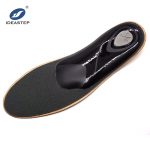
Material selection plays an important role in insole development, particularly for brands looking to build a product range beyond conventional foam or fabric designs. Combining materials with different characteristics allows manufacturers to create more varied insole structures for specific footwear applications.
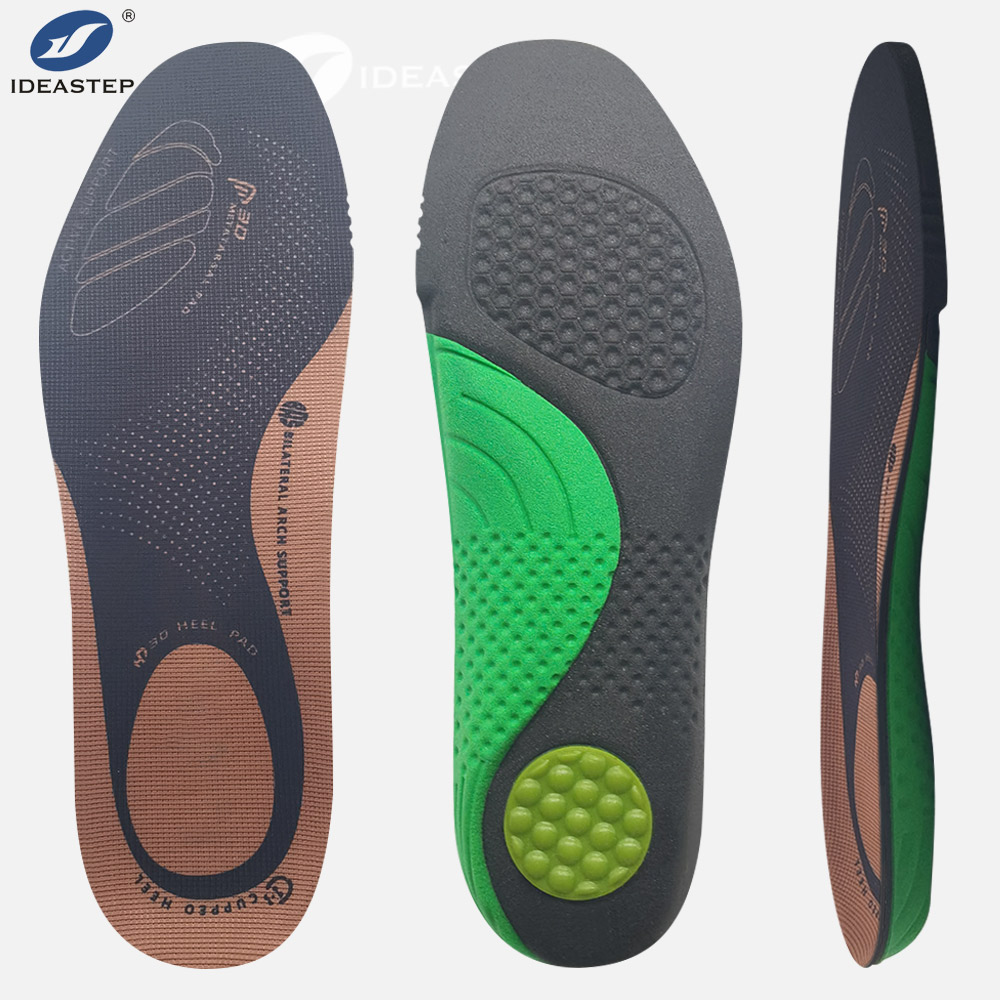
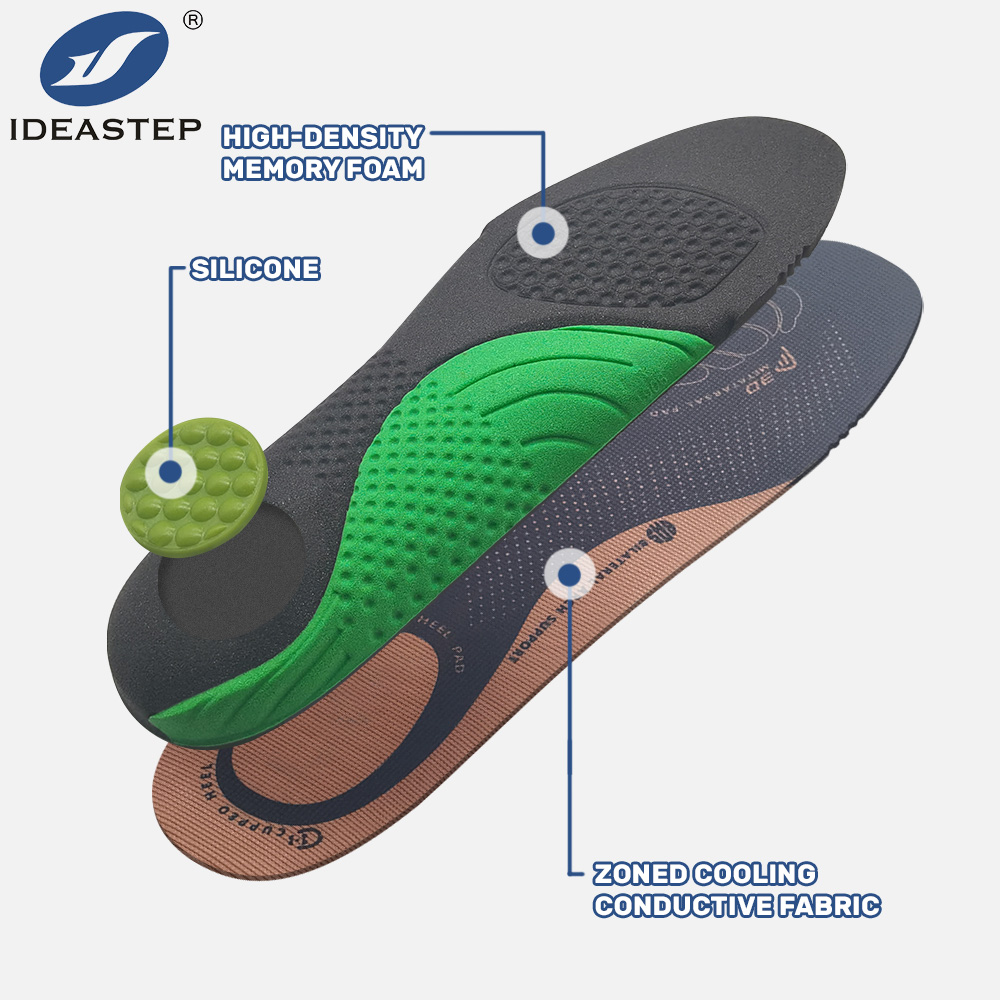
The Ideastep 9061 takes this approach with a combination of Dali Cotton, silicone, and zoned cooling conductive fabric. These components give the insole a distinct material construction, making it relevant to footwear brands, insole wholesalers, and distributors sourcing differentiated products.
Three Materials Behind the Ideastep 9061
The 9061 combines textile, silicone, and specialized fabric components in one insole. Each has a different role in the overall construction.
Dali Cotton for a Soft Textile Component
Dali Cotton forms part of the insole structure, adding a soft textile element to the product. It contributes to the material composition and works alongside the silicone and fabric components.
For insole manufacturers, textile selection is an important part of product development, particularly when the surface material needs to complement the rest of the construction.
Silicone for Targeted Cushioning
An integrated silicone component adds cushioning to selected areas of the 9061. Unlike a textile layer, silicone has distinct material characteristics and can be incorporated into specific sections of an insole.
Its position and dimensions are worth checking during product evaluation, especially when the insole is intended for a particular footwear design.
Zoned Cooling Conductive Fabric for a Distinctive Surface Design
The zoned cooling conductive fabric is one of the defining features of this model. Its segmented layout creates a different surface structure from a conventional uniform fabric layer.
For brands developing cooling conductive fabric insoles, this type of material offers a way to differentiate the product through its fabric composition and surface design. Buyers should confirm the fabric specifications and any supporting performance data before making claims about its cooling or conductive properties.
The Value of Multi-Material Construction in Insole Design
A multi-material insole brings different components together rather than relying on a single material throughout. This gives manufacturers more control over the product’s construction and the role of individual materials.
In the 9061, Dali Cotton provides the textile element, silicone adds a cushioning component, and the zoned fabric defines the surface design. Their combination creates a product with a more varied material structure than a conventional single-material insole.
This approach is worth considering for several reasons:
- Material Variation: Textile, silicone, and specialized fabric create a distinct product composition.
- Component Placement: Different materials can be incorporated into selected areas of the insole.
- Surface Design: Zoned fabric introduces a more distinctive layout than a uniform textile surface.
- Product Differentiation: Multi-material construction gives brands another option when developing or expanding their insole collections.
The actual arrangement and specifications should be reviewed through product samples and technical information before production.
Ideastep 9061 Cooling Conductive Fabric Insoles: Product Details
The 9061 combines three material components in one design. Its main specifications are listed below.
| Product Detail | Specification |
|---|---|
| Brand | Ideastep |
| Model | 9061 |
| Product Type | Multi-Material Insoles |
| Materials | Dali Cotton + Silicone + Zoned Cooling Conductive Fabric |
| Available Sizes | S, M, L, XL |
| Supply Type | Wholesale / OEM / ODM |
Key product characteristics include:
- Three-Material Construction: Combines Dali Cotton, silicone, and zoned cooling conductive fabric.
- Silicone Cushioning Component: Adds cushioning to selected areas of the insole.
- Zoned Fabric Surface: Creates a distinctive surface structure.
- Four Size Options: Available in S, M, L, and XL for different product requirements.
For buyers comparing different insole constructions, the 9061 offers a combination of textile and silicone components with a specialized fabric surface.
Applications for Footwear Brands and Insole Suppliers
The 9061 can be considered by businesses developing footwear accessories or expanding their existing insole collections.
Footwear Manufacturers
Footwear manufacturers can assess the 9061 for selected shoe styles. Product dimensions, material compatibility, and overall construction should be checked against the requirements of the finished footwear.
Insole Brands
Brands with established insole collections may consider multi-material designs as an additional product category. The combination of Dali Cotton, silicone, and zoned fabric provides a different construction from conventional single-material options.
Wholesalers and Distributors
For wholesalers, the 9061 can complement existing ranges of shoe inserts and footwear accessories. Its material combination also gives sales teams specific product features to present to business customers.
Private-Label Buyers
Private-label businesses can explore OEM and ODM cooperation when developing their own insole collections. Product specifications, branding, and packaging requirements can be discussed as part of the project.
What to Check Before Sourcing Multi-Material Insoles
When sourcing multi-material insoles, buyers should look beyond the material names. The specifications and arrangement of each component determine whether the product matches the intended application.
Before placing a wholesale order, consider the following:
- Material Specifications: Confirm the details of the Dali Cotton, silicone, and cooling conductive fabric.
- Fabric Construction: Review the zoned layout, surface finish, and relevant technical information.
- Silicone Placement: Check the location and dimensions of the silicone component.
- Size Measurements: Confirm the actual dimensions corresponding to S, M, L, and XL.
- Sample Evaluation: Examine material quality, workmanship, construction, and compatibility with the target footwear.
- Branding and Packaging: Clarify logo, labeling, and private-label packaging requirements.
- Order Arrangements: Confirm MOQ, production lead time, and bulk supply terms.
For products with several material components, sample evaluation is particularly useful. It allows buyers to inspect the finished construction rather than relying on material descriptions alone.
Wholesale and OEM/ODM Cooperation with Ideastep
The Ideastep 9061 is available for wholesale, OEM, and ODM projects. Its combination of Dali Cotton, silicone, and zoned cooling conductive fabric makes it an option for businesses seeking a different material approach to insole development.
Ideastep works with footwear manufacturers, wholesalers, distributors, and private-label brands. Cooperation can be discussed around product specifications, branding, and packaging according to the requirements of each project.
For businesses considering this model, a useful starting point is to share the intended footwear application, required size range, and estimated order quantity. With these details, Ideastep can discuss product suitability, sample arrangements, and the next steps for wholesale or OEM/ODM cooperation.
Product links: https://www.aideastep.com/product/ideastep-9061-silicone-cushioning-insoles-with-cooling-conductive-fabric/.