Prefabricated orthotics form the high-volume backbone for clinics, medical distributors and foot care brands. Unlike custom scan-molded alternatives, these ready-made inserts live or die by repeatable engineering that serves a wide spectrum of patient needs. Many buyers fixate only on unit pricing, yet flawed biomechanical shaping, unstable raw materials and inconsistent batches quickly drive returns and erode trust with clinical partners. This guide outlines practical benchmarks to evaluate prefabricated orthotics for your wholesale catalog.
Biomechanical Design Built for Broad Patient Fit
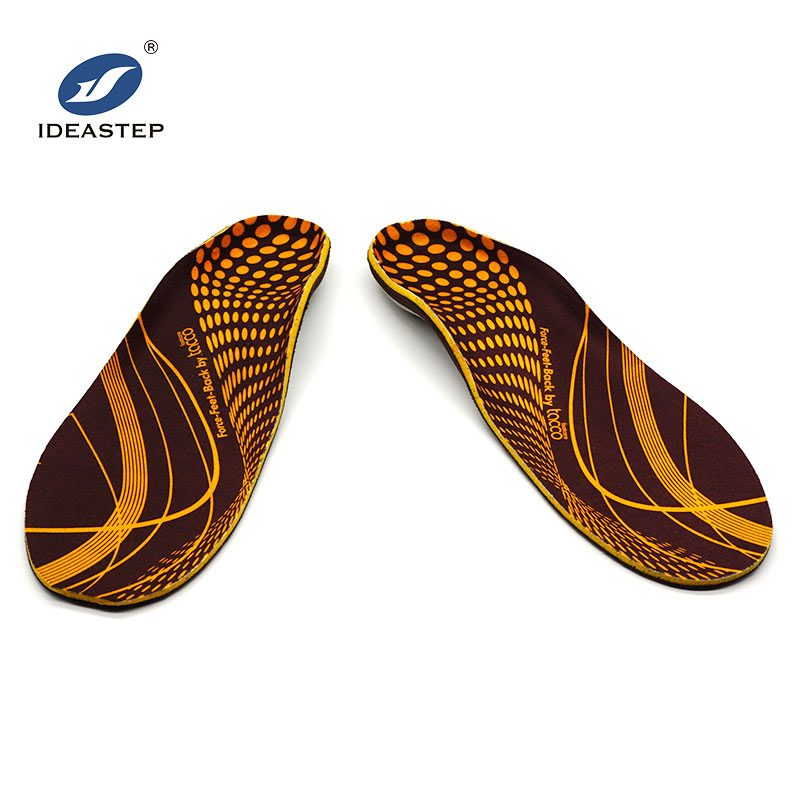
Well-engineered prefabricated orthotics balance standard foot anatomy with flexible usability across different foot types:
- Contoured heel cup – Deep enough to stabilise the rearfoot without creating pressure spots, supporting subtalar alignment for mild to moderate overpronation.
- Graduated arch geometry – Tiered arch heights split SKUs into low, medium and high support, avoiding one-size profiles that fail most wearers.
- Strategic metatarsal relief – Molded recesses spread forefoot load to ease common pain triggers, without bulky padding that compromises shoe fit.
- Aligned metatarsal break – The insole flexes naturally where the foot bends during toe-off, so it does not block normal gait motion.
Strong prefabricated lines are not universal. Clear clinical indications help practitioners select the right variant instead of forcing patients into poorly matched support.
Material Selection That Balances Durability and Clinical Comfort
Material choices directly impact service life, support retention and patient tolerance. Reliable wholesale options use layered construction:
- Structural base – Medical-grade EVA, polypropylene or composite shell, chosen to hold arch shape and resist compression through repeated loading cycles.
- Cushion top layer – Poron or closed-cell PU foam to soften contact, reduce peak pressure and improve all-day wear acceptance.
- Topsheet fabric – Breathable, low-friction material that wicks moisture and withstands routine cleaning. Sealed edges prevent delamination over time.
Low-grade foam blends lose arch height rapidly. When sampling, prioritise documented compression set performance rather than judging quality solely by initial softness.
Batch-to-Batch Consistency for Wholesale Supply
Consistency separates dependable bulk orthotic programs from unreliable ones. Clinicians and resellers expect identical arch height, hardness and thickness across every shipment:
- Fixed mold tooling with tight dimensional tolerances for arch, heel cup and metatarsal zones
- Controlled foam density and hardness testing for every production run
- Visual and functional inspection to catch bonding defects, uneven lamination or edge flaws
- Full material traceability to trace performance issues back to specific raw material lots
Batch variation creates confusion for clinical teams. It also lifts return rates when patients receive an insole that performs differently from the demo sample they tested.
Shoe Compatibility and Practical Sizing
Even thoughtfully designed orthotics underperform if they cannot fit the footwear your clients regularly dispense:
- Multiple length options with clean trim lines, so clinicians can trim edges to fit narrower shoe lasts
- Low-profile variants made for dress shoes, work boots and athletic footwear
- Clear sizing charts mapped to standard shoe sizes, with notes for wide and narrow foot considerations
Prefabricated orthotics need to work across most common footwear styles. Overly bulky designs limit use cases and narrow your market reach.
Compliance, Documentation and Private Label Flexibility
For medical distribution, supporting paperwork carries equal weight to product performance:
- Material safety reports, test certificates and CE documentation for EU medical channels
- Clear labelling that distinguishes corrective orthotic models from comfort-focused accommodative inserts
- Custom packaging, branded printing and specification sheets built for your private label program
- Flexible MOQ structures: small trial runs for clinic testing, and scaled production for large distributor orders
Transparent documentation avoids customs delays and lowers compliance risk when your partners market these orthotics to patients.
How These Qualities Benefit Your B2B Business
- Fewer returns thanks to stable support and predictable fit
- Stronger loyalty from podiatrists and physiotherapy teams who can trust consistent product performance
- Clean product segmentation that simplifies catalog navigation for your sales team
- Scalable private label lines to build differentiated orthotic offerings without heavy upfront tooling investment
FAQ
Are prefabricated orthotics suitable for all foot conditions?
No. They work best for mild to moderate alignment issues, pressure redistribution and general foot fatigue. Complex deformities or severe gait irregularities still require custom molded orthotics.
What service life can buyers expect from quality prefabricated orthotics?
With proper material grading, a well-made prefabricated orthotic holds its support structure for 6 to 12 months of daily wear. Budget foam-only options often flatten within weeks.
Can clinicians modify prefabricated orthotics after fitting?
Yes. Most clinical-grade shells support trimming, heel post adjustment and surface padding tweaks, letting practitioners fine-tune fit for individual patients.
What MOQ should wholesale buyers expect for private label prefabricated orthotics?
Orders using existing molds carry lower minimums. New custom tooling for unique arch profiles or sizing ranges requires higher MOQ plus extra lead time for sampling and validation.
Do prefabricated orthotics count as medical devices?
Classification depends on marketing claims. If sold for therapeutic correction, they fall under medical device regulations and need full compliance documentation. Comfort-only inserts follow consumer goods rules.
Conclusion
A solid wholesale prefabricated orthotic insole combines validated biomechanical shaping, stable layered materials, strict batch control and broad shoe compatibility. It gives clinics a reliable, fast-access solution while protecting your brand from inconsistent performance and high return volumes. Unit price alone never tells the full story; the best prefabricated lines deliver steady performance across every shipment you send out.
We can share physical samples, test data and custom packaging options aligned with your target channels. Tell us your primary client groups and performance priorities, and we’ll build a prefabricated orthotic range that matches your catalog goals.
Related Reading:
How PP Shell, EVA and Gel Shape Prefabricated Orthotic Insole Design
Prefabricated Orthotic Insoles: Materials, Structures and Manufacturing Options