
Introduction
Clinic operators and medical distributors often weigh heat moldable orthotics against standard prefabricated insoles when expanding their orthotic product range. Both start from pre-sized stock and skip the long lead times required for fully custom scanned orthotics, yet they differ sharply in clinical workflow, fitting accuracy and long-term performance. Many buyers treat them as interchangeable SKUs, but mismatching product capability to patient needs leads to fitting complaints and stagnant inventory. This comparison covers practical clinical, production and wholesale considerations to support your B2B catalog planning.
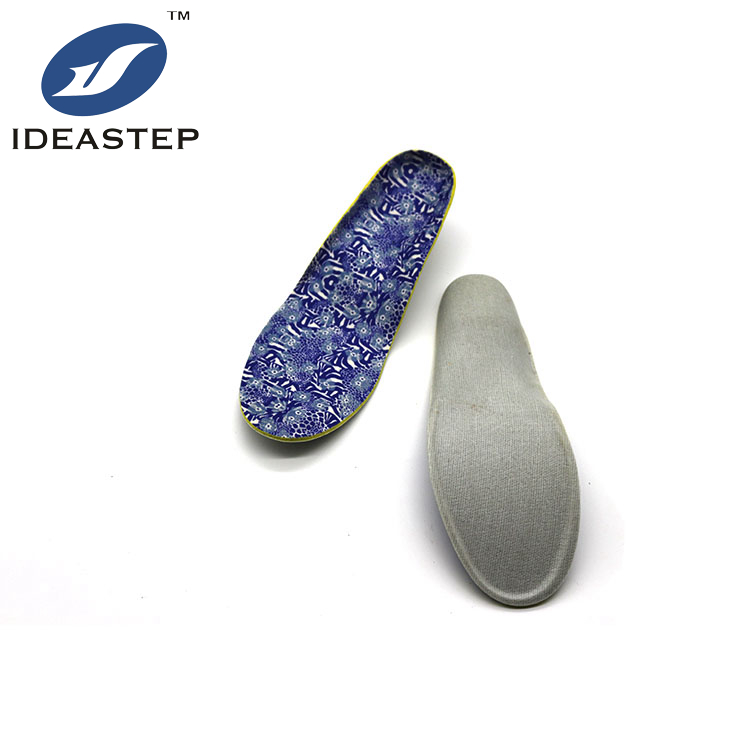
How Heat Moldable Orthotics Function
Heat moldable orthotics are thermoformable stock devices, engineered to soften under controlled heat and lock into a new shape once cooled:
- Chairside fitting workflow – Clinicians heat the insole, position it under the patient’s foot and capture unique arch, heel and forefoot contours within minutes. This delivers a semi-custom fit without casting or 3D scanning hardware.
- Material behaviour – Thermoformable foams and modified polymers hold their reshaped geometry after cooling. Most can be reheated and adjusted again if the initial fit fails to ease pain or correct gait issues.
- Clinical sweet spot – Well suited for patients with mild to moderate foot asymmetry, sensitive feet, or anyone unable to wear rigid prefabricated shells straight out of the package.
- Operational tradeoff – Fitting takes extra clinician time, and clinics need heat ovens or heat guns on-site. Teams also require basic training to avoid overheating and permanent material damage.
For wholesale partners, heat moldable lines sit between standard prefabricated stock and fully custom orthotics. They let clinics offer a higher-value service without heavy upfront investment in scanning tools.
How Traditional Prefabricated Orthotics Function
Traditional prefabricated orthotics ship with fixed molded geometry, calibrated to common foot shapes and size brackets:
- Fit method – Clinicians select the closest size and arch height, then trim edges to match shoe length. Heat reshaping is not part of the design.
- Material behaviour – Most EVA, polypropylene or composite versions retain their factory shape. Light trimming is possible, but arch and heel cup contours cannot be reworked to match uneven foot anatomy.
- Clinical sweet spot – Fast dispensing for patients with relatively symmetrical foot structure, plantar fasciitis, general foot fatigue and straightforward overpronation cases.
- Operational tradeoff – Fitting is quick and requires minimal training, but fixed shapes cannot accommodate unusual foot contours, bony prominences or inconsistent arch height.
These items form the high-volume foundation of most orthotic catalogs. They work reliably for pharmacy channels, athletic footwear lines and clinics prioritising fast patient turnover.
Head-to-Head Comparison for Wholesale Buyers
- Fit precision: Heat moldable orthotics adapt to individual foot contours; traditional prefabricated options follow standard mold profiles only.
- Clinic workload: Heat moldable orthotics require heating and active fitting time; traditional prefabricated insoles support quick selection and trimming.
- Repairability: Heat moldable variants can be reheated and reshaped; traditional prefabricated orthotics have limited room for adjustment once dispensed.
- Price tiering: Heat moldable orthotics carry higher unit pricing and stronger margins; traditional prefabricated insoles support competitive entry-level pricing and larger order volumes.
- Shoe compatibility: Both can be trimmed, but heat-molded profiles can be tweaked to fit hard-to-match footwear, such as deep work boots or tight athletic trainers.
- Inventory risk: Traditional prefabricated lines turn over faster; heat moldable SKUs sell best to clinics that actively offer chairside fitting services, narrowing the pool of suitable buyers.
QC and Production Differences Manufacturers Should Note
- Heat moldable orthotics: Test thermoforming temperature window, shape retention after cooling, performance through repeated reheat cycles, and bond stability after thermal stress. Material formulations must resist cracking or excessive softening within the recommended heating range.
- Traditional prefabricated orthotics: Focus on batch consistency of arch height, hardness, compression set and dimensional accuracy. The core goal is ensuring every unit from the same mold performs consistently out of packaging.
- Shared compliance rule: If marketed as therapeutic orthotic devices, both styles require material traceability, test reports and CE or FDA-aligned documentation. The molding process itself does not change medical device classification.
Building a Balanced Catalog With Both Product Lines
Successful distributors and clinics usually stock both types rather than choosing just one:
- Position traditional prefabricated insoles as your standard first-line option, suited for high-turnover dispensing and patients with typical foot anatomy.
- Market heat moldable orthotics as an upgrade service, used when standard sizing fails to deliver comfort or stable alignment.
- Package clear training guides and workflow sheets for heat moldable SKUs. This helps clinic partners use the product correctly and cut fitting-related returns.
- Bundle them logically: start with prefabricated orthotics for initial assessment, then move to heat moldable options when patients report pressure points or uneven support after two to four weeks of wear.
FAQ
Are heat moldable orthotics the same as fully custom orthotics?
No. They start from a pre-made base mold and are reshaped during fitting. They offer better fit than standard prefabricated insoles, but cannot match the precision of scan-captured custom orthotics for complex foot deformities.
Can all traditional prefabricated orthotics be heated and reshaped?
Most standard EVA and polypropylene prefabricated orthotics are not built for heat molding. Applying heat may crack the shell, separate laminated layers and ruin the intended support performance.
Which option works better for new clinic partners with limited staff training?
Traditional prefabricated orthotics are simpler to onboard. They need little training and no extra fitting equipment, lowering barriers for new clinic buyers.
Do heat moldable orthotics have a shorter service life?
Service life depends on material grade. Quality thermoformable substrates hold their shape well after cooling, though repeated reheating will gradually degrade the material over time.
What supporting materials should accompany wholesale orders for heat moldable orthotics?
Include temperature guidelines, fitting SOPs, troubleshooting notes for common pressure points and safety guidance for heat equipment. These documents reduce misuse at clinics and lower overall return rates.
Conclusion
Heat moldable orthotics and traditional prefabricated insoles each address distinct clinical and commercial needs. Heat moldable variants deliver adaptive, semi-custom fit for clinics offering chairside modification, while traditional prefabricated insoles enable fast, repeatable dispensing for high-volume workflows. Many distributors reach the widest market by carrying both tiers and clearly defining which patient cases each product serves.
We can share thermoformable sample sets, material test data and custom packaging options for both lines. Tell us your main client channels and margin targets, and we will help design a product mix aligned with your clinic and distribution program.
Related Articles:
How PP Shell, EVA and Gel Shape Prefabricated Orthotic Insole Design
How to Choose Prefabricated Orthotics for Different Footwear Applications

