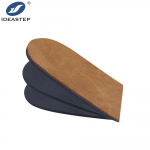
Custom insole manufacturing requires coordination between material selection, product design, processing, and quality control. For footwear brands, orthotic laboratories, and wholesale distributors, each stage must meet the product’s technical and commercial requirements.
Ideastep, part of Xiamen KON Technology Co., Ltd., provides custom insole manufacturing and footwear material solutions. Our work covers EVA materials, finished insoles, and OEM and ODM projects, with specifications developed according to individual order requirements.
1. Defining Product Requirements
A clear product specification provides the basis for material selection and production planning.
Before development begins, the main requirements should be confirmed:
- Insole type and intended footwear application.
- Size range, dimensions, and thickness.
- Material specifications and layer construction.
- Arch, heel, and forefoot support requirements.
- Surface material, color, and logo details.
- Packaging and target order quantity.
For projects involving existing products, customers can provide samples, drawings, or technical specifications as references. For new designs, the required structure and material options can be discussed during development.
2. Selecting Materials for Custom Insoles
Material selection depends on the function of each component, the required properties, and the manufacturing process.
Ideastep works with a range of materials used in orthotic and footwear insole production.
| Material | Common application |
|---|---|
| EVA foam | Cushioning layers and supporting bases |
| PU and PU foam | Cushioning components and insole layers |
| TPU | Structural support and thermoplastic components |
| Leather | Insole top covers and surface finishing |
| Mesh and fabric | Breathable or textile top covers |
| Latex and other components | Heel cushioning and specific construction requirements |
Material specifications such as density, hardness, thickness, and flexibility can be selected according to the product design.
For multilayer constructions, compatibility between materials is also important. Bonding performance, thickness combinations, and processing requirements should be evaluated before production.
3. Insole Design and Structural Development
After confirming the material direction, the next step is to establish the product structure.
Depending on the project, development may involve:
- Adjusting dimensions and size ranges.
- Defining material thickness and hardness.
- Designing heel, arch, and forefoot components.
- Combining foam, fabric, leather, and support materials.
- Confirming product shape, trimming lines, and finishing details.
- Specifying logo and packaging requirements.
Ideastep supports custom development for different product categories, including orthopedic, sports, diabetic-foot, children’s, and general footwear insoles.
The final construction depends on the intended application and the technical information available for the project.
4. Sample Development and Approval
Sampling provides an opportunity to verify the design before bulk production.
The sample review should cover:
- Dimensions and thickness.
- Material grades and layer arrangement.
- Component positioning and overall shape.
- Bonding and finishing quality.
- Color, surface material, and logo details.
If the sample does not meet the agreed specifications, adjustments can be discussed before production approval.
Ideastep’s typical sample preparation time is around 7 days, depending on material availability and product complexity. The confirmed schedule is provided according to the individual project.
5. Production and Processing
Once the sample and specifications are approved, manufacturing can proceed.
Depending on the insole construction, production may include:
- Raw material preparation and cutting.
- Foam shaping, molding, or grinding.
- Fabric and leather lamination.
- Assembly of supporting components.
- Trimming and edge finishing.
- Finished-product inspection and packaging.
Different constructions require different processing sequences. A basic EVA insole, for example, does not involve the same operations as a multilayer orthotic product with TPU support components.
Production arrangements are therefore determined by the approved design and order specifications.
6. Quality Inspection
Material and finished-product checks help maintain consistency throughout production.
Depending on the product requirements, inspection items may include:
- Material density, hardness, and thickness.
- Dimensional accuracy and tolerances.
- Bonding and lamination quality.
- Tensile and tear strength.
- Shrinkage and colorfastness.
- Finished-product appearance and construction.
Not every test applies to every material. Inspection requirements should be established according to the product specification and intended application.
For wholesale orders, confirming acceptable tolerances and inspection criteria before production is particularly important.
7. Packaging, MOQ, and Delivery Arrangements
Packaging and commercial terms are confirmed according to the product and order quantity.
Ideastep can discuss packaging options such as polybags, plastic boxes, and colored paper boxes. Shipping and payment arrangements can also be agreed upon during quotation.
| Item | General reference |
|---|---|
| Sample preparation | Around 7 days |
| Insole MOQ | Commonly 1,000 pairs |
| Bulk production lead time | Around 45 days |
| Packaging | Polybag, plastic box, colored paper box |
| Shipping terms | FOB, C&F, CIF, or door-to-door |
| Payment terms | T/T, L/C, Western Union, PayPal |
These figures are general references, not fixed terms for every order. Actual MOQ and delivery schedules depend on materials, product structure, order quantity, and production arrangements.
8. Custom Insole Manufacturing with Ideastep
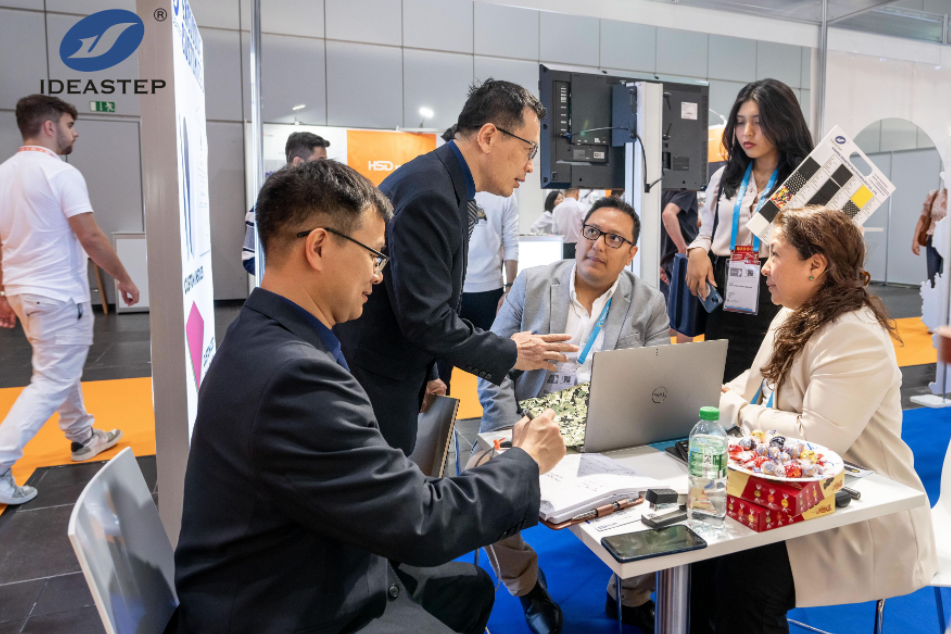
Ideastep is part of Xiamen KON Technology Co., Ltd., whose footwear material business dates back to 1989.
Our business covers EVA foam materials, custom orthotic insoles, and finished insole manufacturing. This allows us to work with B2B customers on both material requirements and complete product specifications.
Our manufacturing services include:
- Custom insole development and production.
- EVA foam material supply.
- Different material and layer combinations.
- Custom sizes, colors, and product structures.
- OEM and ODM manufacturing.
- Sample development and wholesale orders.
We work with footwear brands, orthotic laboratories, distributors, and other B2B buyers. Project specifications are reviewed according to the required product structure, materials, and order conditions.
Contact Ideastep to discuss your custom insole project, material specifications, or bulk manufacturing requirements.
Conclusion
Custom insole manufacturing involves more than selecting foam or defining a product shape. Material specifications, structural design, sample approval, processing, and quality inspection all affect the finished product.
For B2B buyers, confirming these requirements before bulk production helps establish clearer production standards and reduce unnecessary revisions.
Ideastep provides custom insole and EVA material solutions for footwear brands, orthotic laboratories, and wholesale distributors, with project arrangements based on individual product requirements.
Explore More: Ideastep Orthotic Insoles Case Study for a Custom OEM Project.