Introduction
Carbon fiber composite orthotics stand out from conventional EVA and polypropylene alternatives, thanks to their exceptional stiffness-to-weight ratio. For podiatry clinics and wholesale orthotic partners, this material unlocks slim, high-control product lines built for active patients and complex gait cases. Many buyers only focus on the carbon fiber label, overlooking layup design, calibrated stiffness grades and composite quality. Poorly specified carbon fiber orthotics may crack, deliver inconsistent support or fail to meet clinical expectations. This guide covers core construction principles, stiffness tuning and material selection for teams developing or sourcing clinical-grade carbon fiber orthotic insoles.
Layered Construction of Carbon Fiber Orthotic Insoles
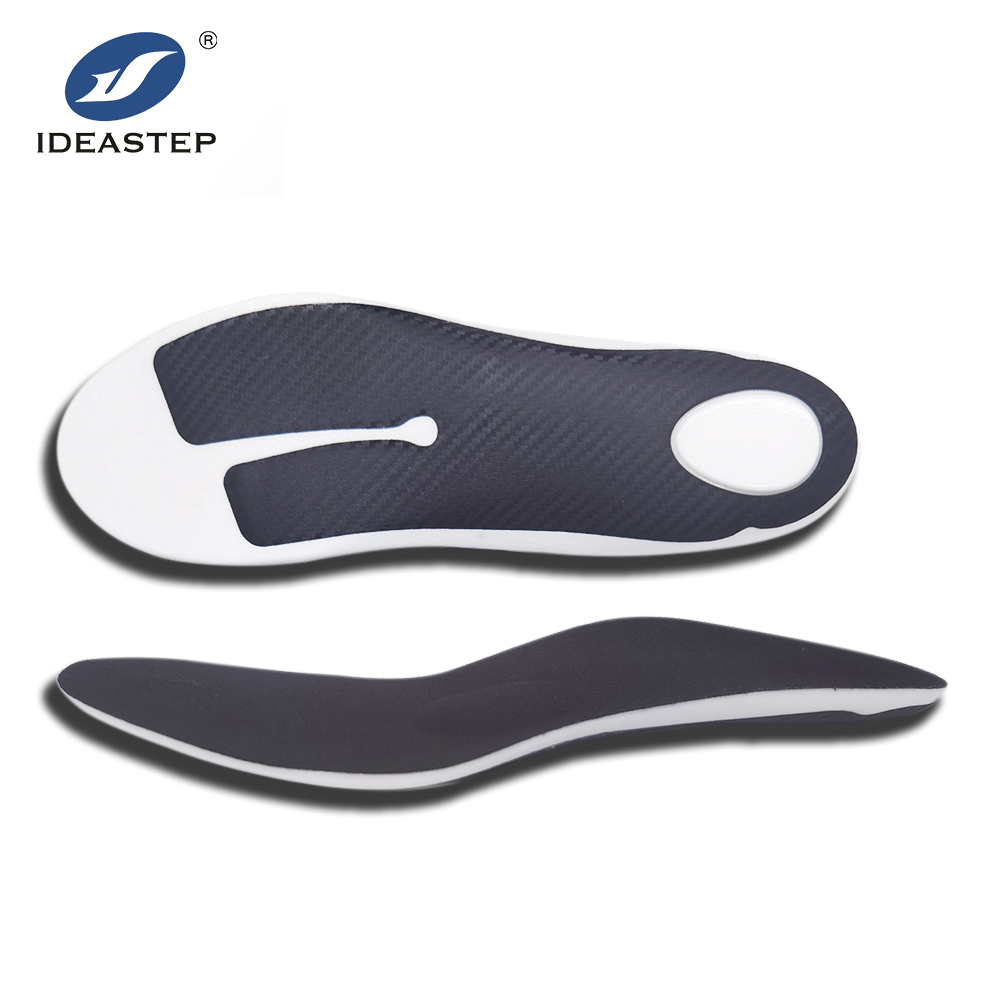
Carbon fiber is rarely used as a standalone insole. Nearly all clinical-grade versions rely on a multi-layer composite stack, with the carbon plate acting as the structural backbone:
- Carbon fiber reinforcement core – The load-bearing plate, made from prepreg unidirectional or woven carbon fiber and cured with epoxy resin. Full-length, three-quarter or arch-only cutouts are available, matched to the level of biomechanical control required.
- Interfacing foam layers – EVA, PORON or closed-cell PU foam bonded to the carbon plate. These layers distribute pressure, eliminate sharp contact points and soften the rigid feel of bare composite material.
- Top covering – Microfibre, perforated antimicrobial fabric or low-friction textile, with sealed edges to stop fiber exposure and delamination after repeated flex cycles.
- Optional base layer – Thin anti-slip or shock-absorbent backing, added for athletic or occupational ranges where secure grip inside footwear matters.
Fabrication quality hinges on vacuum consolidation and controlled curing. Voids, uneven resin distribution or weak lamination are the most common failure points for low-cost carbon fiber orthotics. Once cured, these composite shells cannot be reheated or reshaped chairside, unlike thermoformable EVA orthotics.
Stiffness Tuning: Not All Carbon Fiber Plates Perform Alike
Stiffness is the key engineering variable, and thickness alone does not define it. Manufacturers adjust performance through fiber grade, layup angle and ply count:
- High modulus carbon layups – Maximum rigidity with minimal deflection under load. Suitable for severe overpronation, post-surgical foot stabilisation and cases requiring firm arch and rearfoot control. These plates offer almost no dynamic flex.
- Intermediate modulus, unidirectional layups – Balanced stiffness with targeted forefoot flex. This is the most widely used clinical grade, ideal for sports orthotics, occupational support and patients needing stable alignment while preserving natural toe-off movement.
- Woven 3K twill carbon construction – Delivers consistent torsional flexibility across the plate, often used for semi-dynamic builds where controlled energy return is needed.
Wholesale buyers should ask for cyclic flex test data, not just basic material spec sheets. A plate that feels rigid when tested by hand may fatigue and lose support after thousands of gait cycles. Batch consistency matters greatly; even small shifts in ply orientation alter stiffness and clinical outcomes for your downstream clinicians.
Material Selection Framework for Carbon Fiber Orthotics
Selecting the right composite system depends on your catalog positioning, clinical indications and target price tier:
- Prepreg carbon fiber – The preferred option for medical-grade orthotics. Resin content is pre-calibrated, delivering predictable stiffness and low void rates. It supports tight dimensional tolerances for both custom and prefabricated carbon fiber lines.
- Wet-laminated carbon cloth – Lower production costs, but harder to standardise across batches. Manual resin mixing and hand layup create variability, so this method works best for one-off custom fabrication rather than high-volume wholesale SKUs.
- Resin matrix choice – Epoxy resin is the industry standard for orthotic use. Polyester alternatives cost less but resist fatigue and moisture poorly, making them unsuitable for long-wear clinical devices.
- Hybrid composite options – Carbon fiber combined with fiberglass layers cuts raw material costs while retaining most structural benefits. Hybrid stacks fit mid-tier lines where full carbon modulus is not essential.
Budget carbon fiber blends often add filler fabrics to reduce expenses. These products lose stiffness quickly and carry a higher splintering risk, which creates safety concerns for clinical dispensing.
Clinical Indications and Fit Limitations
Carbon fiber orthotics fill a specific niche in your orthotic lineup and are not suitable for every patient:
- Good candidates: moderate to severe pronation control, post-operative foot support, athletic dynamic stabilisation, slim orthotics for tight footwear, and long-standing occupational fatigue cases.
- Less suitable: sensitive neuropathic feet, patients unable to tolerate rigid structures, simple accommodative pressure redistribution cases where flexible foam orthotics are sufficient.
Clinicians need to recognise carbon fiber shells do not accommodate bony changes. They are corrective stabilisation devices, not comfort-focused accommodative inserts. Clear labelling and clinical guidance help reduce fitting complaints.
QC and Compliance Checklist for Wholesale Sourcing
- Review flex fatigue and impact test reports for the carbon composite plate
- Check edge finishing; exposed carbon fibers can irritate skin
- Confirm lamination bond strength between carbon core and foam top layers
- Secure material traceability, resin safety data and CE documentation for medical distribution
- Keep performance claims clearly separated: carbon fiber orthotics marketed for therapeutic correction must follow medical device classification rules
FAQ
Can carbon fiber orthotic insoles be modified by clinicians during fitting?
Standard cured carbon composite plates cannot be heat-adjusted. Limited trimming is possible with specialised cutting tools, but reshaping arch geometry is not practical. Any custom contouring must be built into the mold or scan file during production.
Are carbon fiber orthotics always thinner than polypropylene shells?
When engineered for equivalent stiffness, carbon fiber plates are noticeably thinner and lighter. This slim profile is its biggest advantage for dress shoes, ski boots and tight athletic footwear.
What is the main failure mode of carbon fiber orthotics?
Most failures come from delamination of foam layers, edge cracking under impact, or fatigue from repeated bending at the metatarsal break. Proper layup design and quality curing minimise these risks.
Is carbon fiber a good choice for private label bulk orders?
Prefabricated carbon fiber orthotics can support private label programs, though tooling and validation costs are higher than EVA lines. Stable, repeat order volumes work best for carbon composite SKUs.
How do carbon fiber orthotics compare to semi-rigid TPU orthotics?
Carbon fiber delivers stronger stiffness at a thinner profile. TPU provides more forgiving, gradual flex and can be modified in some formats. Carbon fiber is selected when maximum structural control in a slim package is the core requirement.
Conclusion
Carbon fiber orthotic insoles deliver outstanding structural performance, yet their reliability depends entirely on careful construction, calibrated stiffness and controlled composite manufacturing. A well-designed carbon fiber stack gives clinicians a thin, lightweight stabilisation option that holds its shape through heavy daily use. When sourced without clear stiffness specifications and QC standards, however, these high-value products lead to returns and inconsistent clinical results.
We can supply carbon fiber sample plates, stiffness test reports and hybrid composite layup options for your prefabricated or custom orthotic catalog. Share your target patient groups and footwear fit requirements, and we will help define the right carbon fiber specification for your wholesale program.
Related Post: Carbon Fiber Insoles for High Arches: Lightweight Design and Arch Support Performance.