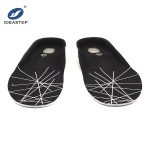
Designing effective arch support insoles involves more than selecting a foam material or increasing arch height. Support structure, material hardness, cushioning, and flexibility must work together to meet the requirements of the finished product.
For orthotic manufacturers, footwear brands, podiatry suppliers, and medical distributors, these factors influence product quality, footwear compatibility, and manufacturing costs.
Developing custom made arch support insoles requires an understanding of foot arch geometry and how different materials perform within the same construction.
Why Support and Flexibility Matter in Insole Design
Arch support and flexibility serve different functions in an orthotic insole.
The arch structure provides a defined supporting surface, while flexible sections accommodate movement. Cushioning materials help manage localized impact and pressure.
An overly soft construction may lack sufficient structural stability. Excessive rigidity, on the other hand, can restrict flexibility or create unwanted pressure in certain areas.
The objective is to establish the right balance through material selection, arch geometry, and structural design. No single hardness or construction suits every application.
Designing Insoles for Different Arch Types
Foot arch characteristics influence the contour, support height, and material arrangement of an orthotic insole.
High Arch
High-arch designs require careful attention to arch contact, cushioning, and support positioning.
A contoured arch structure can provide a broader supporting surface, while cushioning layers beneath the heel and forefoot help balance the construction.
Key design factors include arch height, contour width, heel stability, and the transition between the arch and forefoot sections.
Medium or Neutral Arch
Medium-arch designs generally require a balance of structural support and flexibility.
Moderate arch contours, a stable heel section, and a flexible forefoot are common features. These constructions are suitable for versatile insole ranges across different footwear categories.
Low Arch
Low-arch designs often require greater attention to arch geometry and structural stability.
A defined arch contour, suitable reinforcement, and a stable heel cup can be incorporated according to the intended product requirements.
The design should reflect the actual foot geometry and application rather than relying on a fixed support structure for every low-arch insole.
Materials Used in Custom Made Arch Support Insoles
Material selection affects the weight, cushioning, flexibility, and structural stability of an insole. Manufacturers often combine several materials to achieve specific performance requirements.
EVA Foam
EVA is widely used in orthotic insole manufacturing because of its low weight, processing flexibility, and availability in different densities and hardness levels.
Its main characteristics include:
- Adjustable density and hardness.
- Lightweight construction.
- Cushioning properties.
- Compatibility with molding, cutting, and CNC milling.
Different EVA grades can be used in the base, arch support section, or cushioning layers, making the material suitable for various custom insole constructions.
Polyurethane (PU)
PU foam is commonly used in cushioning components. Its properties vary according to formulation and density, allowing manufacturers to select different levels of softness, resilience, and compression resistance.
In multi-layer insoles, PU can serve as a cushioning layer while a separate structural component provides arch support.
Thermoplastic Polyurethane (TPU)
TPU is used in orthotic insoles that require a more defined support structure.
It can be incorporated into heel or arch sections to provide structural stability. Its performance depends on material formulation, thickness, and component geometry.
Compared with softer foam materials, TPU generally provides a more structured construction, making it suitable for selected semi-rigid insole designs.
Poron and Other Cushioning Materials
Poron and similar cushioning materials are used in areas requiring localized shock absorption.
Depending on the design, they can be positioned beneath the heel or forefoot and combined with EVA or other structural materials.
This approach allows different functional properties to be incorporated into one insole rather than relying on a single material throughout.
How to Balance Support and Flexibility
The performance of a custom arch support insole depends on how its materials and structural components work together.
Material Hardness and Density
Hardness and density influence how a material responds to compression and deformation.
Firmer EVA can help maintain the shape of a support section, while softer materials provide additional cushioning. However, higher hardness does not automatically mean better support.
Manufacturers should evaluate these properties alongside arch geometry, material thickness, and the intended application.
Functional Layer Construction
Combining materials with different properties allows manufacturers to control individual insole sections.
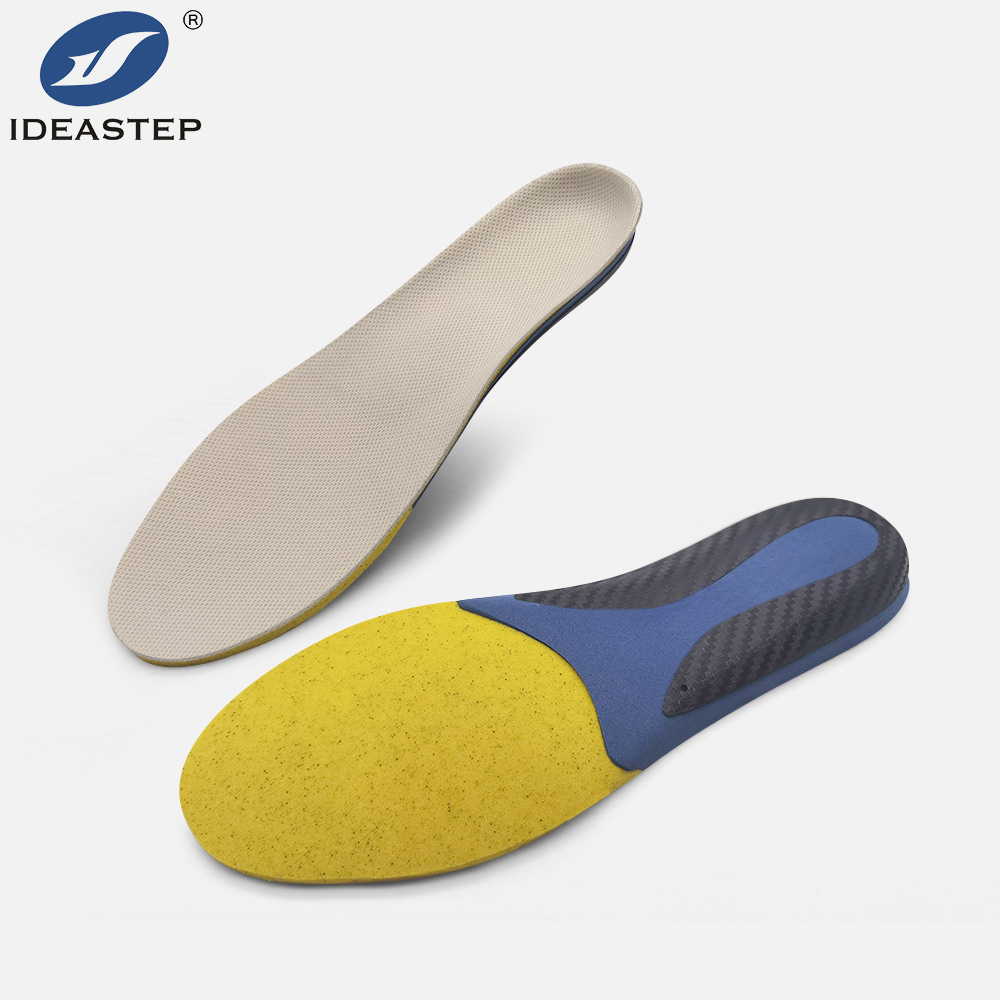
A typical construction may include:
- Heel: A cushioning layer for impact management.
- Arch: A contoured support component for structural stability.
- Forefoot: A flexible section to accommodate bending.
- Top cover: A fabric or other surface material selected according to product requirements.
Layer thickness, bonding methods, and component positioning all affect the finished construction.
Arch Height and Contour
Arch height, width, and contour need to be developed together.
An excessively high or poorly positioned arch can create localized pressure, while insufficient contouring may not provide the intended support.
CAD design, 3D modeling, and CNC processing help control these dimensions and reproduce the required geometry across production batches.
Forefoot Flexibility
The forefoot generally requires more flexibility than the heel and arch sections.
Material hardness, thickness, and reinforcement placement influence bending behavior. A well-designed transition between support and flexible sections helps maintain a balanced construction.
Manufacturing Considerations for Custom Arch Support Insoles
For B2B buyers, product specifications and manufacturing consistency are as important as the initial design.
| Manufacturing Factor | Key Considerations |
|---|---|
| Material selection | EVA density, hardness, PU cushioning, and TPU properties |
| Arch geometry | Height, width, contour, and support positioning |
| Layer construction | Material combination and bonding quality |
| Product dimensions | Length, width, thickness, and size range |
| Processing method | Molding, CNC milling, and other suitable methods |
| Quality control | Dimensional accuracy and batch consistency |
| Surface materials | Top cover, fabric, and finishing details |
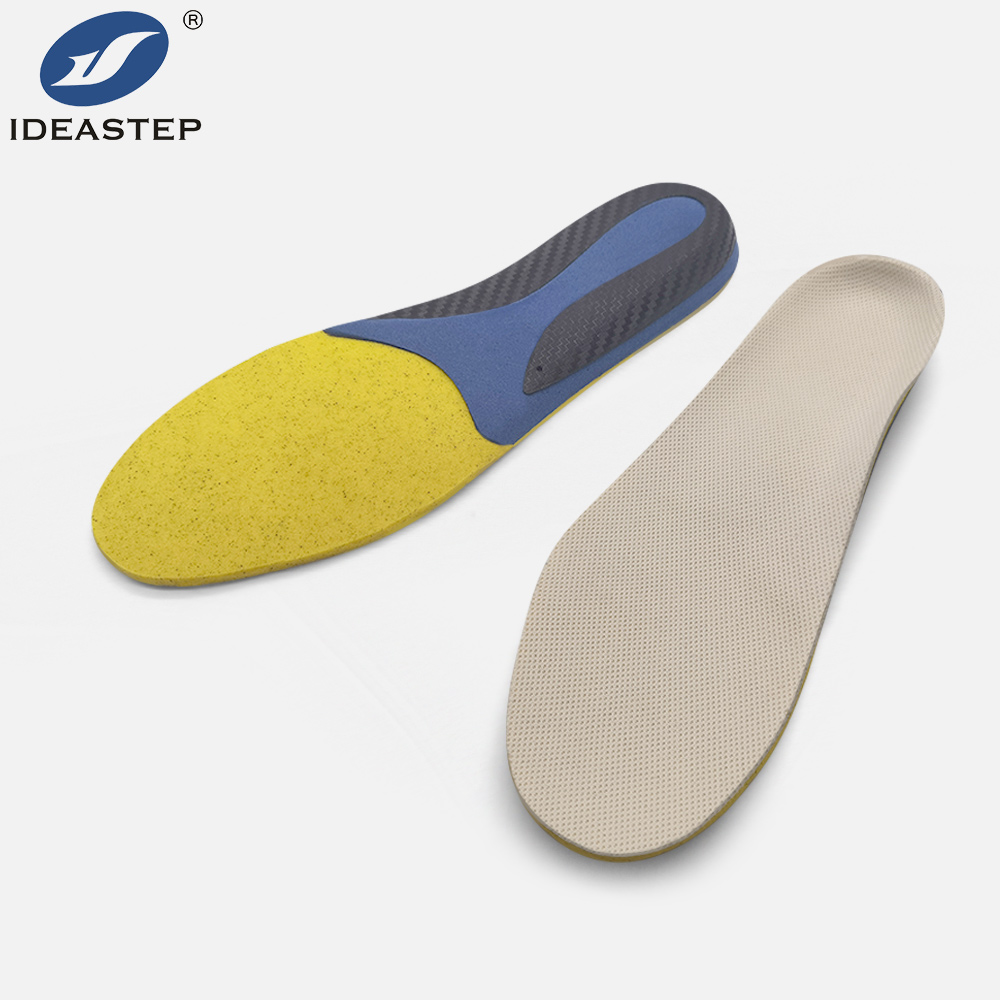
For custom orders, the approved sample and technical specification sheet should serve as production references. This helps maintain consistency across repeat orders and larger production quantities.
OEM and ODM Solutions for Custom Made Arch Support Insoles
Different B2B customers have different product development priorities.
Footwear brands may focus on insole thickness, shoe compatibility, and material combinations. Orthotic laboratories often place greater emphasis on arch geometry and support structures. Medical distributors generally require consistent specifications and clear product documentation.
Depending on the product design and manufacturing capabilities, customization may include:
- Arch shape and support height.
- EVA density and hardness.
- PU and TPU component selection.
- Multi-layer material combinations.
- Top cover materials and colors.
- Product dimensions and size ranges.
- Logo application and private-label packaging.
Before mass production, buyers should confirm technical drawings, material specifications, sample requirements, and quality acceptance standards.
Clear specifications reduce unnecessary adjustments and make repeat production easier to manage.
Browse Related Products: https://www.aideastep.com/product/ideastep-9156-dual-layer-osn-insoles-with-tpu-support/.