Off-the-shelf insoles compete largely on price. They deliver basic cushioning yet leave clinic networks, footwear brands and medical distributors with little room to differentiate. Targeted insole customization unlocks distinct product lines, addressing clinical and functional gaps that generic inserts cannot fill. This piece explores commercial and clinical opportunities for B2B partners expanding their insole catalogs.
Customization Is Structural, Not Merely Surface Branding
Many buyers equate customization with logo printing or branded packaging. These superficial adjustments offer limited functional value. Purpose-driven customization alters biomechanical geometry, material stacking and form factors for defined use cases.
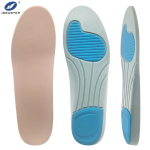
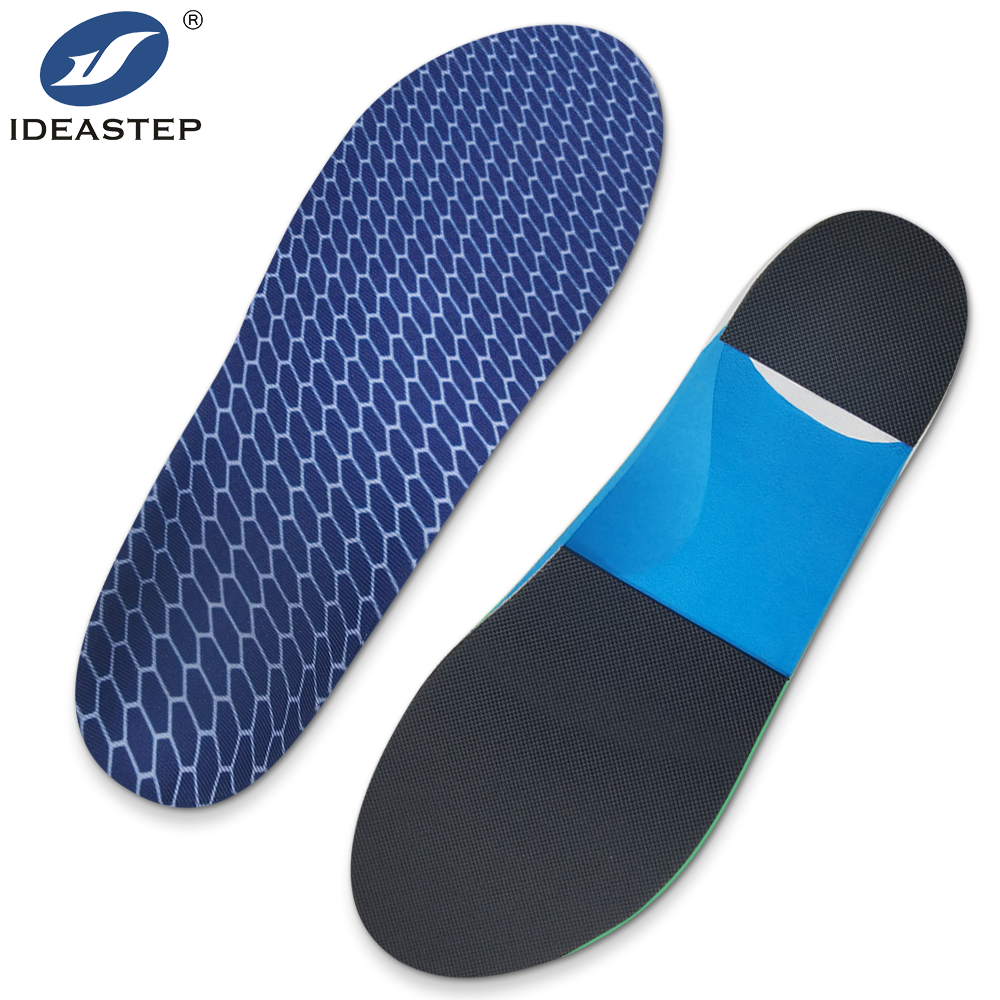
Modifications may include variable arch profiles, selective metatarsal relief, graded stiffness zones, low-profile shells for narrow footwear and heat-moldable top layers. Each adjustment creates a distinct SKU, enabling tiered portfolios: modified prefabricated bases, semi-custom adjustable variants and fully prescription-grade orthotics.
This tiered structure reduces direct price competition. Partners can assign clear value tiers for clinic clients, resellers and footwear integration projects.
Niche Clinical Lines Built for Specific Pathologies
Standard insoles seldom suit targeted foot conditions. Customization supports condition-specific product families.
Diabetic variants feature seamless low-pressure surfaces with soft, non-irritating top materials and pressure-free rigid zones. Post-surgical designs include precision cutouts to protect surgical sites while maintaining stable foundational support. Bunion, midfoot arthritis and foot drop profiles can each be engineered with targeted relief and modified heel geometry.
For podiatry and physical therapy clinics, these specialty lines streamline inventory management. Clinicians select a pre-calibrated base instead of manually modifying generic insoles per case. Consistent geometry cuts fitting time and reduces fitting errors.
Function-Focused Lines for Specialized Footwear Segments
Footwear-specific customization opens partnerships with safety, cycling, dress and athletic brands. Each footwear category carries unique spatial constraints and load patterns.
Safety footwear insoles use oil-resistant top covers, high-impact absorption and profiles compatible with reinforced toe boxes. Cycling orthotics feature narrow, rigid platforms optimized for fixed pedal posture. Dress shoe options rely on ultra-thin composite shells without sacrificing arch control. Running inserts combine flexible forefoot sections and tuned rebound to match gait mechanics.
These tailored inserts can be supplied as original equipment or aftermarket replacements. Both models support stronger margins than commodity insoles.
Digital Manufacturing Enables Low-Risk New Product Validation
3D scanning, CNC trimming and additive manufacturing lower barriers to small-batch custom product launches. Partners can validate new contours through limited trial runs before committing to full mould tooling.
Digital workflows support fast iteration on shape, stiffness and pressure distribution. Scan datasets can be grouped by foot morphology, body weight or activity level to build repeatable semi-custom ranges. This flexibility works well for emerging brands and clinic groups testing niche offerings without heavy inventory exposure.
The same digital pipeline also underpins consistent private-label production. Design revisions, quality logs and scan data remain linked for audit and compliance.
Material Stacking Creates Clear Differentiators
Most standard lines use single-density EVA. Custom material combinations target defined performance priorities.
Cork delivers consistent pressure distribution and thermal stability. PORON or high-rebound PU withstands repeated impact for active applications. Carbon fiber composite provides stiffness within minimal thickness. Antimicrobial, moisture-wicking or conductive top fabrics serve hygiene-focused therapeutic settings.
Each stack forms a distinct product offering. Distributors can group selections by application: infection control for long-term care, fatigue mitigation for industrial workers, lightweight support for sports programs.
Co-Developed Private Label Programs Build Long-Term Partnerships
Customization enables deeper collaboration beyond one-time bulk orders. Co-developed lines let partners lock in unique specifications, naming and packaging.
A clinic network can launch branded orthotics aligned with its internal assessment protocol. Footwear brands may secure exclusive support geometries built only for their shoe models. Exclusive SKUs reduce cross-supplier comparison and establish recurring reorder cycles.
The supplier transitions from a generic vendor to a product development partner, managing sampling, compliance documentation and batch consistency across the partner’s portfolio.
Compliance Controls for Custom Therapeutic Product Lines
Custom variants marketed for therapeutic correction must adhere to regional medical device regulations. Revised geometry and material stacks require updated supporting documentation.
Certifications, risk assessment files and material test reports must map to each individual variant. Partners managing multiple custom SKUs need controlled document tracking to satisfy audits and technical inquiries. This governance protects both manufacturers and reselling clinics or brands.
Closing Notes
Standard insoles satisfy baseline demand, but customization generates margin and loyalty. By engineering segmented clinical, footwear-specific and material-tailored ranges, B2B suppliers move away from commodity market competition.
If you develop insole lines for podiatry clinics, footwear brands or medical distribution networks, we can collaborate on custom geometry, material stacks, digital sampling and compliant wholesale production.
Related Reading:
Which Types of Insole Customization Enhance Customer Satisfaction?
Advanced Insole Customization Technologies: A Data-Driven Approach to Modern Orthotic Insole Manufacturing