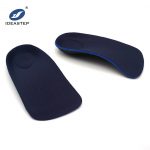
Many private label insole operators and wholesale distributors struggle to break away from crowded commodity insert markets. Off-the-shelf orthotics leave little room for unique selling points, and clinic buyers often move on when your product matches what every other supplier carries. Custom molded orthotics open a path to differentiated product lines and stable margins, yet successful private label launches hinge on practical choices around molding workflows, material grading, brand customisation and regional compliance. This write-up speaks directly to brand owners, footwear distributors and clinic supply partners building or expanding their own orthotic range.
Pick The Right Molding Workflow For Your Private Label Line
Molding techniques are not interchangeable, and the method you settle on shapes your minimum order, product consistency and budget structure.
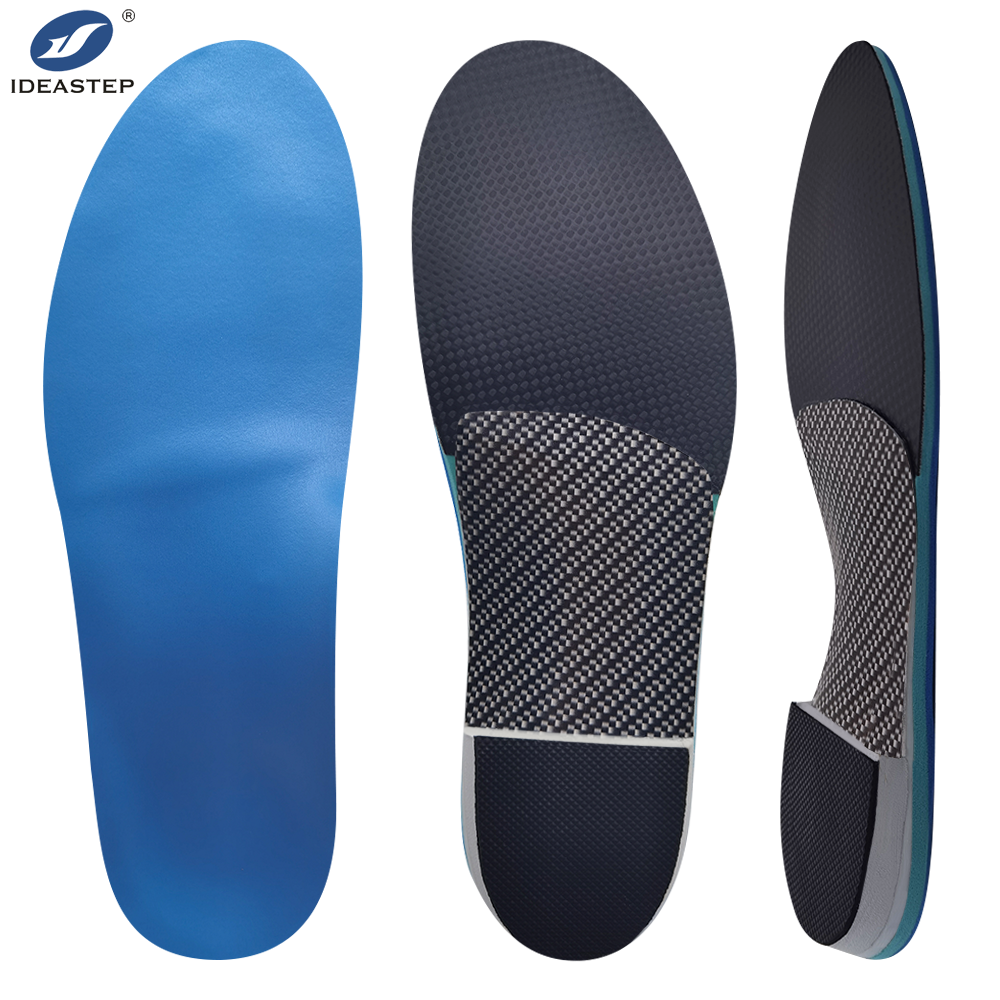
Vacuum thermoforming remains the go-to choice for brands building stock lines for retailers and shoe stores. The process heats rigid shell stock and forms it over a precision positive model, locking in arch contour, heel cup geometry and metatarsal relief zones. It works reliably for graded size runs, and unit pricing becomes more favourable as order volumes scale. This workflow fits everyday support, athletic and work boot orthotic programs best.
3D printed molded orthotics operate on a different framework. Instead of physical plaster or hard tooling, the finished profile derives from validated STL foot scan files. This option excels when your customers serve complex foot presentations: diabetic foot management, bunion accommodation, foot drop support and highly individualised patient profiles. Initial setup costs are higher, but you skip recurring mold storage fees and avoid retooling delays when adjusting designs.
Compression molding suits layered premium orthotics with zoned cushioning. The process fuses rigid base shells and foam cushioning layers in a single controlled press cycle, cutting down the risk of layer separation after repeated wear. It is a strong fit for higher-tier private label lines where long-term bonding and uniform thickness are core selling points.
Match your manufacturing route to your sales channel. Pre-sized inventory for retail partners pairs well with vacuum thermoforming. Podiatry clinics offering on-site custom orthotic services gain more flexibility from 3D printed molded blanks.
Lock In Biomechanical Specs Before Finalising Branding
A frequent misstep for new private label buyers is rushing logo and packaging decisions before the orthotic’s functional profile is fully validated. Branding only adds value when the product performs reliably across real-world use cases.
Start with shell geometry benchmarks. Document heel cup depth, medial and lateral support wall height, arch apex placement and metatarsal pad positioning. If your line will ship across multiple shoe styles, run fit checks inside athletic trainers, formal dress shoes and safety boots. A deep stabilising heel cup built for work boots will not sit correctly inside slim running shoe cavities.
Material selection sets your product tier and target customer base. PP shell delivers balanced rigidity and accessible pricing for mainstream SKUs. Carbon fiber composite brings lightweight, high-stability support for premium cycling and competitive sport orthotics. Cork, EVA and memory foam cushioning layers shape wear comfort and price positioning. Diabetic-focused molded orthotics require seamless, low-friction top covers with no hard seams over high-pressure contact zones.
Align performance testing standards with your supplier early on. Compression set, fatigue cycle validation and interlayer peel strength reports keep batch variation contained. This point matters especially for private label: inconsistent support performance damages your brand reputation, not your manufacturing partner’s.
Private Label Customisation Beyond Printed Logos
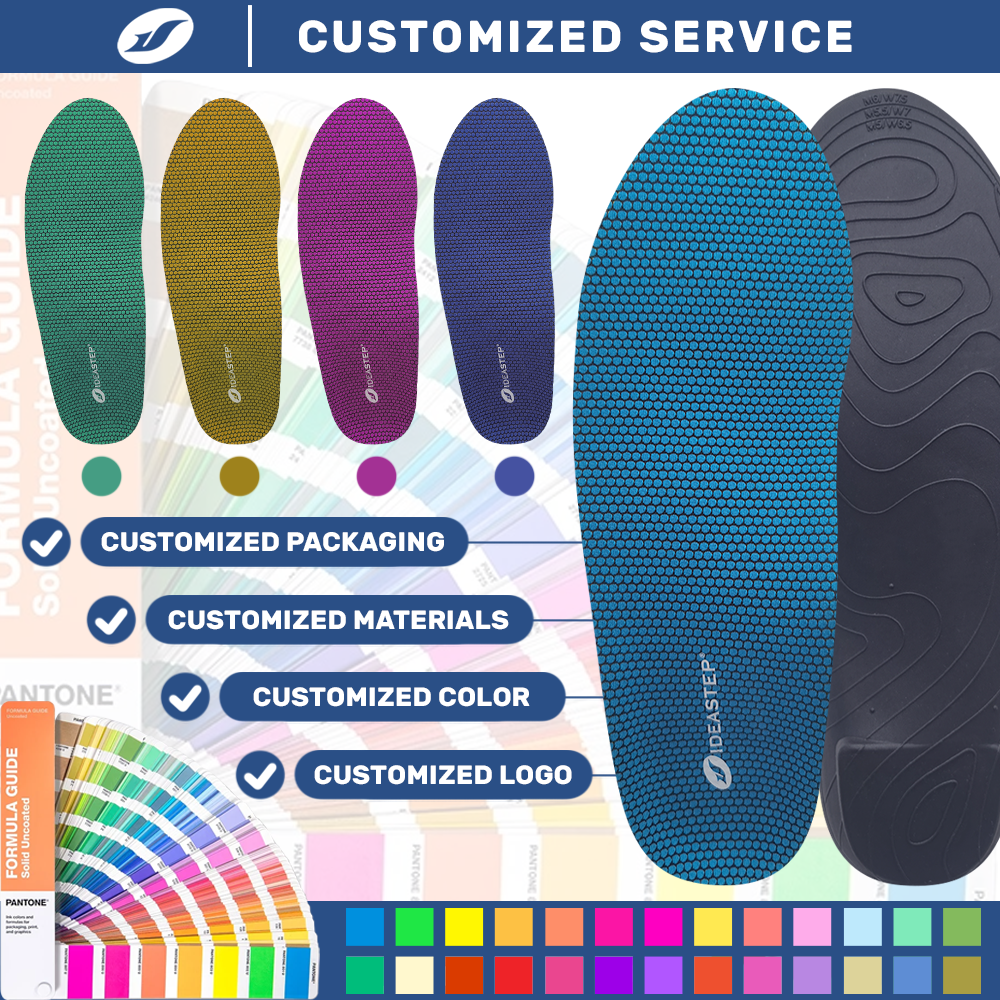
Private label molded orthotics extend far beyond simple surface printing. Experienced suppliers help you build a distinct product identity that your wholesale clients can resell confidently under their own brand name.
Surface branding options include embossed or debossed shell markings, heat transfer prints on top covers, and laser etching on hard composite substrates. You can also tailor base colour, top cover fabric finish and edge trimming style to align with your brand palette.
Packaging choices create extra value for your downstream buyers. Some wholesale partners need retail-ready boxes for direct consumer sales; others prefer clinic display sleeves or plain bulk packs for their own repackaging workflows. You can add custom instruction inserts and spec sheets tailored to your audience, whether you serve end consumers or medical practitioners.
Many manufacturers also support segmented product naming to help you tier your catalog. One line can target general foot fatigue, another for athletic overpronation, and a separate medical-grade range for podiatry referrals. Clear segmentation makes it easier for your wholesale buyers to match the right orthotic to their own clients.
MOQ, Sampling And Production Protocols For Wholesale Partners
Flexible order minimums rank high on the priority list for new private label programs. Most emerging brands need small trial batches to gather feedback from clinics and retail channels before committing to large production runs.
Separate tooling expenses from unit pricing in your supplier agreement. Vacuum thermoforming requires master positive molds, which carry upfront setup fees. 3D printed molded orthotics eliminate physical mold charges, though per-unit pricing is higher for low-volume orders. Clarify ownership of tooling or CAD profiles once fees are settled, so you retain control over your unique orthotic design.
Stick to a structured sampling sequence. First sign off on the master molded profile or CAD geometry. Next, review pre-production samples for fit, firmness, branding placement and packaging quality. Only after written approval should bulk production begin. Put a formal change process in place: any adjustment to arch shape, shell thickness or cover material requires updated samples and fresh sign-off, rather than informal adjustments on the production floor.
Confirm clear timelines for sample development, pre-production validation and shipment. Discuss defect acceptance thresholds and rework terms upfront, so you have a resolution path if batches fail inspection.
Compliance Documentation For Regulated Global Markets
Compliance cannot be treated as an afterthought once you market molded orthotics for therapeutic or corrective benefits. The private label brand holds responsibility for all claims printed on packaging, product listings and sales collateral.
For EU sales, molded orthotics classified as medical devices fall under EU MDR rules. You will need CE marking, technical construction files and formal risk assessment records. Manufacturing sites with ISO 13485 certification are widely preferred by clinics and medical distributors. For US distribution, verify FDA classification and GUDID registration where applicable.
All raw materials must satisfy REACH and RoHS substance restrictions. Diabetic orthotics carry additional requirements for biocompatibility and skin irritation testing. It is critical to distinguish comfort inserts from medical orthoses in your marketing. Copy that claims active foot alignment correction triggers stricter regulatory oversight, while simple comfort inserts follow lighter requirements.
Ask your supplier to supply complete compliance packs you can share with wholesale and clinic partners. Keep separate documentation sets for consumer SKUs and medical SKUs, so your sales team avoids making unsupported therapeutic claims.
Quality Control That Safeguards Your Private Label Brand
Your brand name appears on every molded orthotic you ship out. Consistent quality oversight protects your standing with every reseller and clinic partner you serve.
Build inline checks into production runs: cross-reference shell contour against your master mold or CAD file, verify cushion layer thickness, and confirm branding placement stays consistent. Random batch testing for compression resistance and slip surface performance catches material drift before large volumes ship.
If you supply distributors who resell to clinics, batch traceability adds a layer of trust. Lot marking on packaging lets you quickly pull supporting material and test records when customers raise fit or durability concerns. This transparency builds lasting loyalty with your B2B buyers.
Closing Thoughts For Your Custom Molded Orthotic Project
Custom molded orthotics give private label insole brands and wholesale suppliers a practical way to escape price-driven commodity competition. Strong private label programs rest on validated biomechanical profiles, controlled molding workflows, thoughtful brand customisation and robust market compliance.
If you are ready to launch a private label molded orthotic line, share details about your target footwear types, end-user profiles and branding vision. We can refine molded profiles, produce sign-off samples and compile compliant documentation suited to your wholesale terms.
Related Solutions:
Custom Molded Orthotics for Wholesale: Developing Custom Insole Solutions for Bulk Orders