Footwear brands can expand their product ranges without developing entirely new shoe models. Customized insole programs provide a way to create product variations by adjusting materials, support structures, cushioning, thickness, and surface finishes within existing footwear platforms.
For footwear brands, this approach offers greater flexibility in product development. It also requires careful coordination of shoe compatibility, component specifications, manufacturing processes, and cost targets.
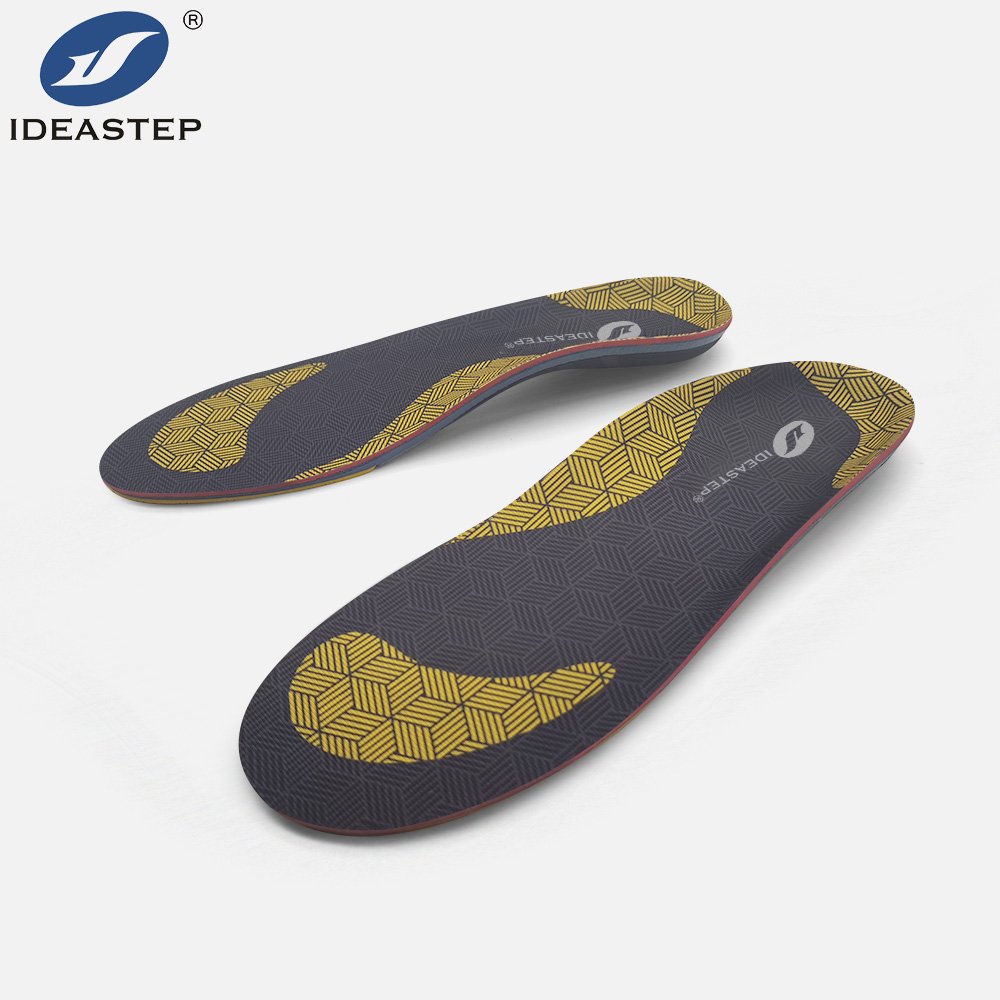
1. Expand Product Categories Through Insole Variations
Different footwear categories require different insole constructions. Brands can adapt materials and structural features to develop products for specific applications.
- Sports footwear: Lightweight EVA constructions, targeted cushioning, and TPU reinforcement for different sports applications.
- Work and safety footwear: Durable base materials, stable heel structures, and cushioning designed around footwear requirements.
- Casual footwear: Flexible foam constructions, controlled thickness, and customized top covers.
- Orthopedic footwear: Defined arch profiles, heel cup geometry, and specified shell stiffness.
- Premium footwear: Multilayer constructions with microfiber, leather, or other selected surface materials.
These variations allow brands to extend existing footwear collections without developing a completely new shoe platform for every product.
2. Create Different Product Levels Within One Footwear Platform
Customized insoles can help brands establish different product specifications within the same footwear category. Instead of redesigning the entire shoe, product teams can adjust selected insole components to meet different cost and performance targets.
| Product Level | Insole Construction | Development Focus |
|---|---|---|
| Standard | Single-layer EVA foam | Basic cushioning and lightweight construction |
| Enhanced | Multilayer EVA or PU | Different cushioning characteristics and material combinations |
| Support-focused | EVA base with TPU or thermoplastic components | Defined arch and heel support structures |
| Premium | Multilayer construction with specialized top covers | Material finish and differentiated specifications |
Each configuration must be evaluated against the target shoe’s internal dimensions, available volume, and construction requirements. Material or component upgrades should also be assessed against the overall product cost.
3. Use Modular Designs to Manage SKU Complexity
Expanding a footwear range can increase the number of insole sizes, materials, components, and production specifications. A modular design strategy helps control this complexity.
Brands can establish a shared base construction and modify selected features for different models, including:
- Arch profile and support geometry
- Forefoot and heel cushioning
- Foam hardness and density
- TPU or thermoplastic reinforcement
- Top-cover material and color
- Overall thickness and size specifications
For example, several shoe models may share an EVA base while using different support components or top covers. This reduces the need to develop an entirely new construction for every variation.
Before standardizing shared components, manufacturers should verify tooling requirements, material compatibility, dimensional tolerances, and fit across the relevant shoe models.
4. Match Insole Specifications to Shoe Construction
Insole development must account for the actual footwear structure. The shoe last, internal cavity, heel height, outsole, and upper all affect the available space and required insole geometry.
Design considerations vary by category. Running shoes generally require attention to forefoot flexibility and overall weight, while work boots may need more durable materials and different thickness distribution. Orthopedic footwear may require more specific arch geometry and shell stiffness.
Key compatibility checks include:
- Insole length and width relative to the shoe last
- Heel cup dimensions and heel counter clearance
- Arch height and midfoot volume
- Forefoot thickness and toe-box clearance
- Top-cover alignment and bonding
- Compatibility with removable sockliners and other shoe components
Samples should be evaluated in the target footwear models. Compatibility in one shoe design does not guarantee a suitable fit in another.
5. Choose the Right OEM or ODM Development Model
The cooperation model depends on the brand’s design resources and project requirements.
OEM: Manufacturing to Brand Specifications
OEM projects suit brands with established designs, technical drawings, or reference samples. The manufacturer follows the agreed requirements for dimensions, materials, construction, branding, and packaging.
Technical review and sample production are used to verify manufacturing feasibility before bulk production.
ODM: Design and Product Development Support
ODM projects are suitable when a brand has a product concept but needs support with structural design, material selection, or construction development.
A typical process includes:
- Reviewing the target footwear category and product specifications.
- Recommending suitable insole structures and materials.
- Producing samples for the target shoe models.
- Checking dimensions, fit, bonding, and construction.
- Revising and approving the final specifications.
Both models can support product range expansion. The main difference is the level of design and development responsibility assigned to the manufacturer.
6. Standardize Materials and Manufacturing Processes
A customized insole program may involve several material types and production methods. Consistent specifications are necessary when components are shared across multiple footwear models.
| Material | Role in Insole Construction |
|---|---|
| EVA foam | Lightweight base layers and cushioning |
| PU foam | Cushioning and resilient layers |
| TPU | Flexible or reinforced structural components |
| Thermoplastics | Semi-rigid and rigid support structures |
| Carbon fiber | Lightweight, high-stiffness support components |
| Mesh and fabric | Textile top covers |
| Microfiber and leather | Surface finishing for selected product ranges |
Common manufacturing processes include foam cutting, CNC machining, molding, thermoforming, lamination, and bonding.
For repeat production, manufacturers should define material hardness, density, thickness, dimensions, and bonding requirements. The complete multilayer construction also needs evaluation, as the combined properties of different materials may differ from those of individual components.
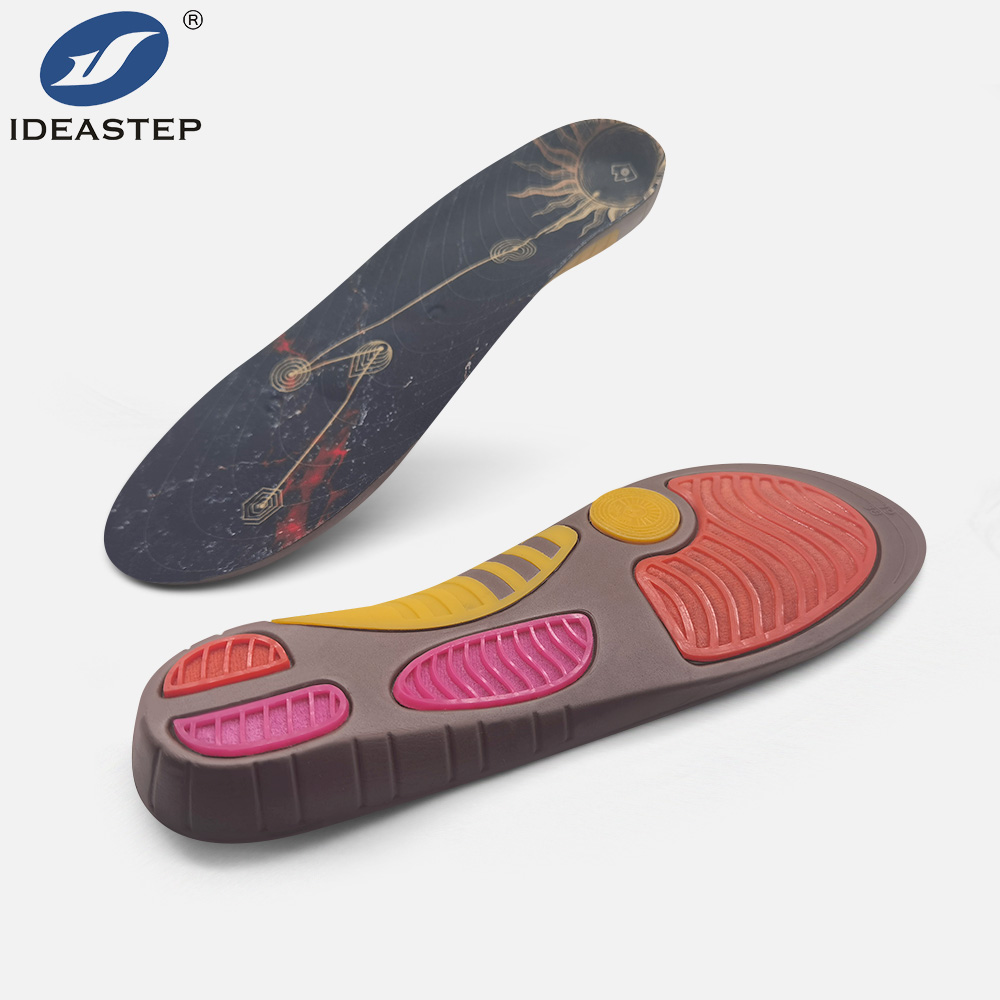
7. Establish Quality Standards for Each Configuration
Different insole constructions require consistent inspection criteria. Changes in material, thickness, or geometry can affect product dimensions, structural performance, and footwear compatibility.
| Inspection Area | Key Requirements |
|---|---|
| Dimensions | Length, width, thickness, and size grading |
| Material properties | Hardness, density, and material consistency |
| Structural geometry | Arch profile, heel cup, and component positioning |
| Bonding | Adhesion between layers and support components |
| Surface finish | Top-cover alignment, wrinkles, and edge finishing |
| Finished product | Fit and compatibility with target footwear |
| Batch consistency | Compliance with approved samples and specifications |
Approved samples, technical drawings, and material records should serve as production references. Changes to materials or construction should be reviewed before implementation.
8. Plan for Scalable Product Development
A customized insole program should be planned around the brand’s broader footwear portfolio rather than individual product modifications.
Brands can begin with a limited number of configurations for their main footwear categories. Once the constructions have been evaluated for fit, manufacturing feasibility, and cost, additional variations can be introduced using established components and processes.
A development plan should define:
- Target footwear models and product categories
- Shared and model-specific components
- Material and construction specifications
- Size ranges and expected order quantities
- Sample approval and quality requirements
- Tooling, production, and delivery arrangements
This approach helps control development costs and SKU complexity while providing a consistent framework for future product extensions.
Conclusion
Customized insole programs allow footwear brands to expand their product ranges through changes in material combinations, support structures, and component configurations. Shared platforms and modular designs can reduce duplicated development work while supporting different footwear categories and product levels.
Successful implementation depends on accurate shoe specifications, validated samples, standardized materials, and consistent production control. Integrating these requirements into OEM or ODM development helps brands manage product variation and scale their footwear collections more efficiently.
Related Reading:
Tailored Fit and Brand Labelling: Customized Insoles for Foot Care Partners
Customized Insole Development for Wholesale Buyers with Specific Product Requirements