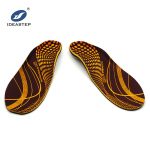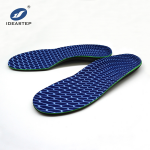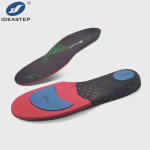
Custom foot braces supplied under a private label must meet defined clinical and product specifications. Their dimensions, materials, structural design, and finishing details all need to match the requirements agreed upon during product development.
For orthotic brands, medical supply distributors, and rehabilitation product companies, the challenge is not simply finding a manufacturer. It is ensuring that technical requirements can be translated into a consistent product and maintained across production batches.
Translating Clinical Specifications into Manufacturing Requirements
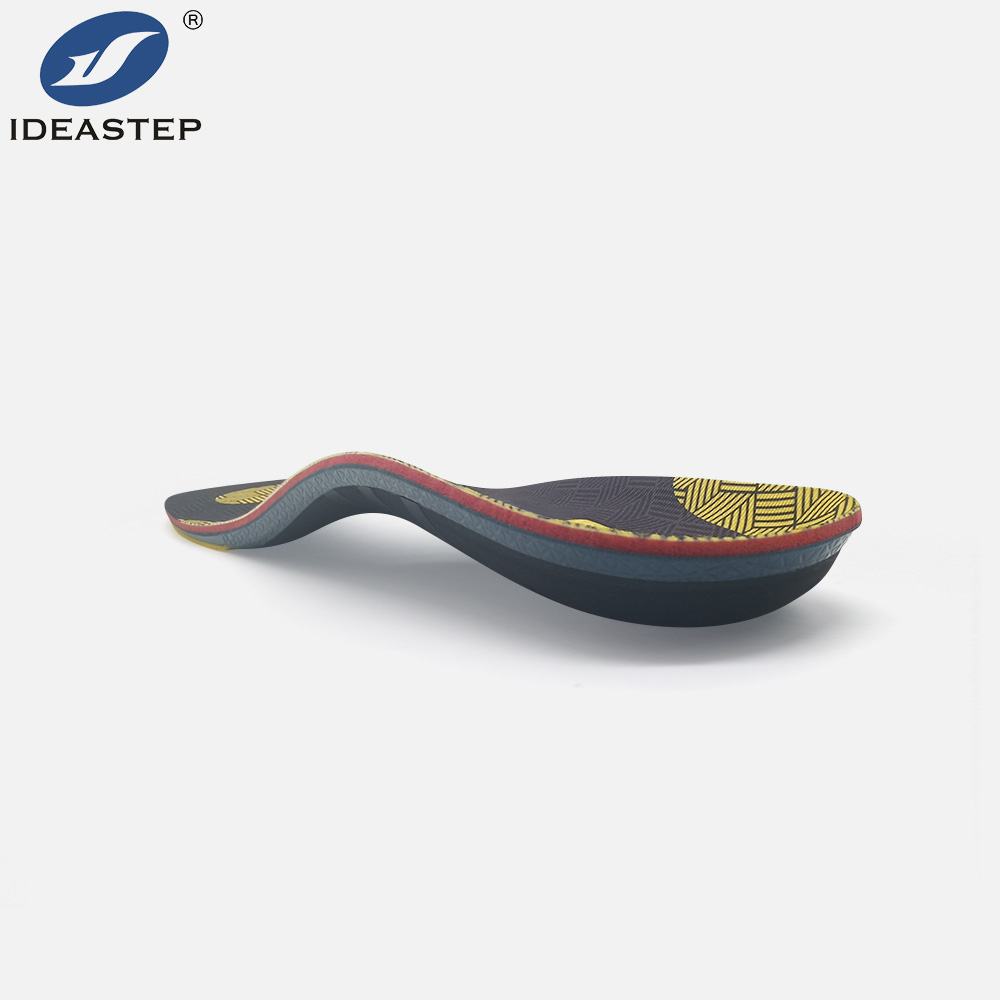
Clinical specifications provide the foundation for custom foot brace development. Before production begins, the manufacturer needs to understand the intended application, required anatomical coverage, structural design, and material preferences.
The project brief typically includes:
- Intended application and type of foot support
- Required foot and ankle coverage
- Brace dimensions and size range
- Shell shape, thickness, and stiffness
- Padding materials and placement
- Surface finish, color, and branding requirements
Technical drawings and reference samples help clarify the design. Digital models and measurement data can also be used when available.
Some requirements may need further discussion before fabrication. For example, a drawing may show the overall shell shape without specifying material thickness or edge details. Confirming these points early helps avoid unnecessary sample revisions and production inconsistencies.
Structural Design of Custom Foot Braces
The brace structure depends on its intended application and the specifications provided. Shell geometry, material thickness, and padding arrangement all influence the finished product.
Shell Shape and Anatomical Coverage
The shell forms the main supporting structure of many foot braces. Its dimensions and contours need to follow the approved design.
Several details require particular attention:
- Footplate dimensions: Length and width should match the specified foot coverage.
- Heel contour: The heel section may incorporate a defined cup or supporting profile.
- Sidewall height: Medial and lateral walls should follow the required anatomical coverage.
- Trimlines: Edge positions and contours need to match the approved design.
- Shell thickness: Thickness should suit the selected material and structural requirements.
These details are closely related. Changes to the heel contour, sidewall height, or shell thickness can affect the overall fit and finished shape. Manufacturers should therefore work from confirmed drawings, models, or reference samples rather than making unapproved adjustments during production.
Rigidity and Material Thickness
Foot braces may use rigid, semi-rigid, or more flexible constructions. The required level of support determines the material and structural approach.
Material hardness alone does not determine shell stiffness. Thickness, geometry, material grade, and forming conditions also affect the finished structure. Where a design requires different stiffness zones, their positions and dimensions should be clearly defined and checked during fabrication.
Materials Used in Custom Foot Brace Fabrication
Material selection depends on the required structure, weight, flexibility, surface finish, and manufacturing method. Different materials may serve different purposes within the same brace.
| Material | Common application | Selection considerations |
|---|---|---|
| Polypropylene (PP) | Thermoplastic brace shells | Formability, rigidity, and dimensional stability |
| Polyethylene (PE) | Flexible or semi-rigid components | Flexibility, impact behavior, and forming characteristics |
| EVA foam | Padding and interface layers | Density, thickness, compression behavior, and bonding |
| PU foam | Cushioning and contact layers | Density, resilience, and surface compatibility |
| Fabric and microfiber | Covering and finishing layers | Abrasion resistance, appearance, and bonding compatibility |
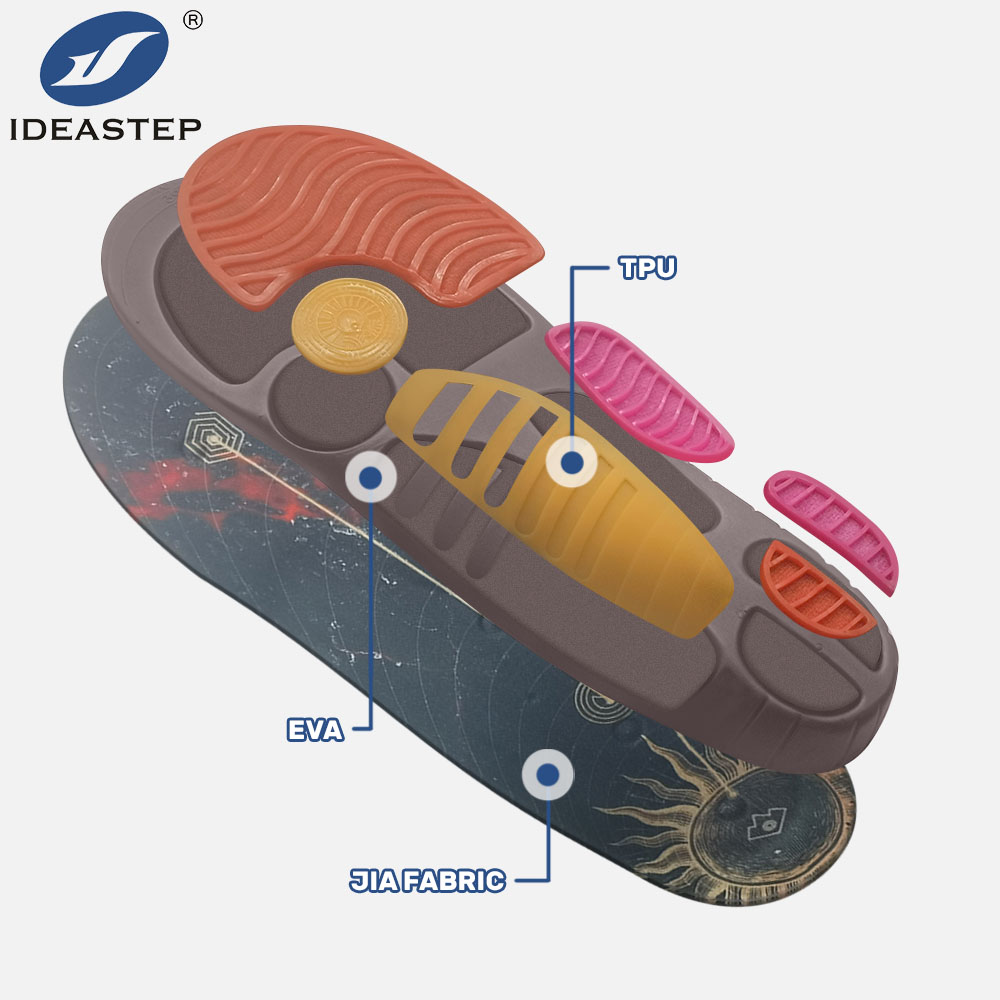
PP and PE are commonly used for thermoplastic structural components, while EVA and PU foam can provide cushioning or an interface between the brace and the foot.
Material combinations also require attention. In multilayer constructions, adhesive selection, surface preparation, and bonding conditions affect the finished assembly. Compatibility should be checked before the design moves into bulk production.
Fabrication and Assembly
The manufacturing process varies with the brace design and selected materials. However, several stages usually determine the accuracy and consistency of the finished product.
Model Preparation
The process begins with a review of drawings, dimensions, reference samples, or digital files. When digital scanning and CAD data are available, they can support model preparation and design adjustments.
Before fabrication, the manufacturer and buyer should confirm the model geometry, critical dimensions, and material specifications.
Thermoplastic Forming and Trimming
For thermoplastic braces, the sheet material is heated and formed over an approved model or mold. Material thickness, heating conditions, forming pressure, and cooling can all influence the final shape.
Once formed, the shell is trimmed to the specified outline. Edges and contact areas need smooth finishing to remove sharp or uneven sections.
Padding and Surface Finishing
Padding and covering materials are added according to the approved construction. Their thickness, position, and attachment method should remain consistent with the product specification.
The bonding process deserves particular attention when the brace combines a thermoplastic shell with EVA, PU, fabric, or microfiber. Poor surface preparation or unsuitable adhesives can affect the bond between layers.
Final Inspection
Before shipment, the finished brace should be checked against the approved sample and technical requirements. Inspection items commonly include:
- Overall dimensions and size grading
- Shell thickness and contour
- Trimline position and edge finishing
- Material and color consistency
- Padding position and thickness
- Bonding and assembly quality
- Surface appearance and private label details
Keeping approved samples and production records also helps maintain consistency when the same model is reordered.
Private Label Customization
Private label production involves more than applying a logo. The product itself may need to follow specific structural, material, and appearance requirements established by the brand.
Depending on the design and manufacturing process, customization may cover:
- Shell dimensions and structural profiles
- Material types and color combinations
- Padding thickness and placement
- Fabric or microfiber surface finishes
- Logo printing and product labeling
- Custom packaging
For brands managing several brace models, it is useful to standardize shared components while keeping model-specific dimensions and structures clearly documented. This approach makes product updates and repeat orders easier to manage.
Quality Control for Repeat Orders
Custom foot braces can vary if material specifications, forming conditions, or assembly details are not properly controlled. A consistent inspection process helps identify these differences before products reach the customer.
Quality checks generally cover three stages:
Incoming materials: Verify material type, thickness, appearance, and other agreed properties before fabrication.
Production: Monitor forming, trimming, bonding, and assembly against the approved specifications.
Finished products: Check dimensions, shell geometry, surface finish, padding, labeling, and packaging.
For projects with specific mechanical or material requirements, the buyer and manufacturer should agree on appropriate test methods and acceptance criteria before production. Retained samples and inspection records provide useful references for subsequent orders.
Information to Prepare Before Requesting a Quote
A clear project brief helps the manufacturer assess production feasibility, material requirements, and sample costs. Buyers should prepare the following information where available:
- Technical drawings, reference samples, or digital files.
- Intended application and required brace structure.
- Material preferences and thickness specifications.
- Required size range and estimated order quantity.
- Logo, color, labeling, and packaging details.
- Inspection requirements and relevant documentation.
- Target sample and delivery schedule.
For projects involving multiple sizes or product variations, shared design features and size-specific dimensions should be listed separately. This makes quotation, sampling, and production planning more straightforward.
Developing a Consistent Private Label Supply
A custom foot brace project depends on accurate specifications and consistent execution. Shell geometry, material selection, fabrication conditions, and finishing details all need to follow the approved design. Clear communication during sample development also helps reduce revisions before bulk production.
If you are sourcing custom foot braces for a private label range or have specific clinical and technical requirements to discuss, contact our team to review your project and explore suitable manufacturing options.
Related Reading:
Custom Foot Brace: Prescription Orthotic Supports for Clinics and Wholesale Partners