
Cycling insoles have specific construction requirements. Limited space inside cycling shoes makes material thickness, insole profile, and component placement important during product development. Manufacturers also need to consider how cushioning materials interact with the overall structure.
PU foam offers one option for cycling insole construction. Manufacturers can combine it with fabric covers, EVA layers, or structural components to develop different insole configurations. For cycling footwear brands and insole manufacturers, the key lies in selecting materials that work well together within the finished design.
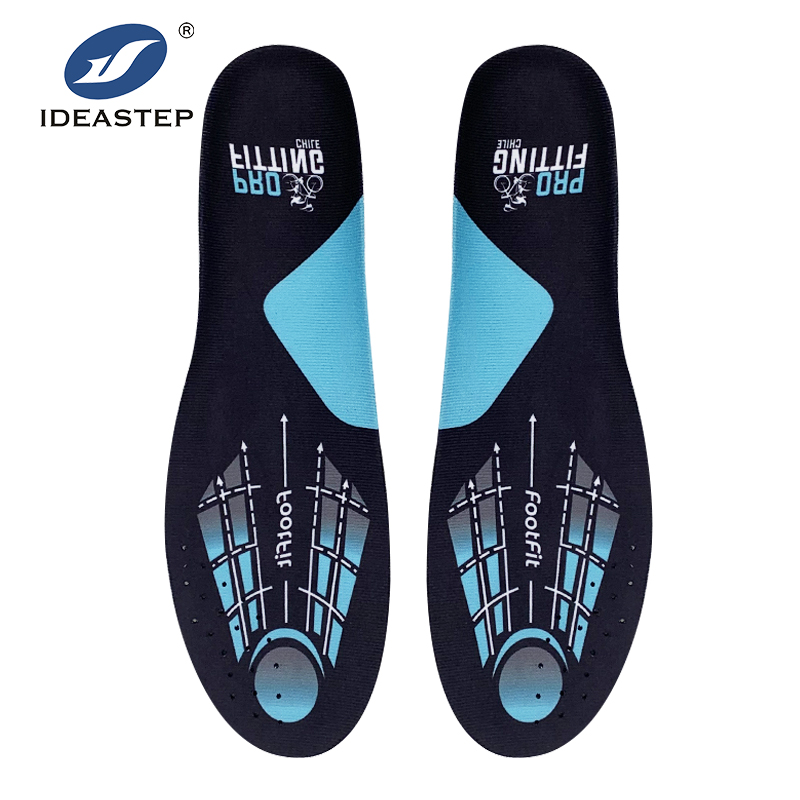
PU Foam in Cycling Insole Design
PU foam plays a cushioning role in many footwear products. In cycling insoles, manufacturers can use it as the main foam layer or combine it with other materials in a multi-layer structure.
The selected foam specification directly influences material suitability. Hardness, density, and thickness all matter, particularly when cycling shoes offer limited internal space.
Softness alone does not determine whether a PU foam suits a particular design. Manufacturers should also consider the insole profile, top-cover material, and any additional support components.
Materials Used in Cycling Insole Construction
PU foam can work alongside several other materials, depending on the intended product design.
PU Foam
PU foam provides a cushioning component within the insole structure. Manufacturers can compare different specifications based on firmness, thickness, and the requirements of the finished product.
EVA Foam
EVA offers another option for footwear manufacturing. Combining EVA with PU allows manufacturers to create layered constructions with different material characteristics.
TPU and PP Components
TPU and PP offer structural options for selected cycling insole designs. Manufacturers can adjust their shape and placement according to the required insole profile and cycling shoe dimensions.
Fabric Top Covers
The top cover forms the surface that contacts the foot. Fabric selection depends on surface texture, compatibility with the underlying materials, and the overall product design.
Each component should serve a clear purpose. Adding more materials does not automatically improve an insole; the construction needs to suit the intended application.
Common Construction Options for PU Cycling Insoles
Material arrangement gives manufacturers several ways to develop cycling insole products.
PU Foam with a Fabric Cover
This design pairs a cushioning layer with a fabric surface. It offers a straightforward option for product lines where manufacturers mainly need to select the foam and top-cover specifications.
PU and EVA Multi-Layer Construction
Manufacturers can combine PU and EVA in a layered structure. The choice of each material depends on the required firmness, thickness, and overall construction.
PU Foam with a Support Shell
A shaped TPU or PP component can add a more defined structural element to the insole. Its geometry and position should match the footwear dimensions and intended support profile.
Single-Layer PU Construction
Some designs require only one main cushioning layer. A single-layer PU construction keeps the material arrangement relatively simple and reduces the number of material interfaces.
What to Consider When Selecting PU Materials
Cycling insole development involves several connected material specifications.
- Hardness: Helps manufacturers assess foam firmness against the intended product design.
- Density: Provides a useful reference when comparing different foam grades.
- Thickness: Must fit the available space inside the cycling shoe.
- Layer compatibility: Foam, fabric, and structural components need to work together in the finished construction.
- Insole profile: Shape and dimensions should match the target footwear design.
Manufacturers should evaluate these specifications together during sample development. A material combination that suits one cycling shoe model may require adjustments for another.
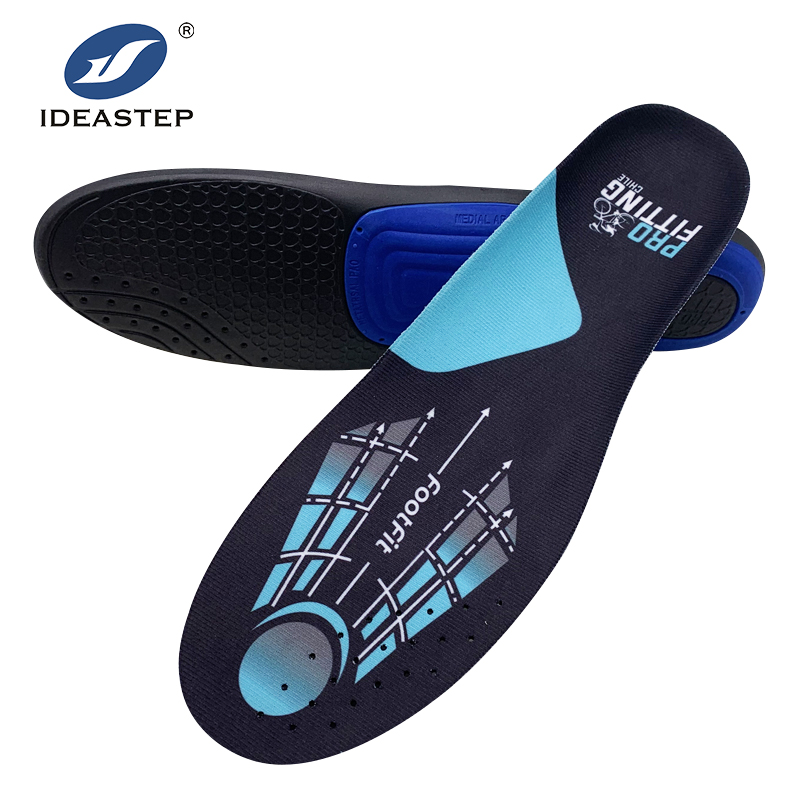
Custom PU Cycling Insoles for OEM Projects
Cycling footwear brands and insole manufacturers often have specific requirements for shoe dimensions, material selection, and product structure. Custom development gives these businesses more flexibility when standard insole designs do not match their specifications.
For OEM and ODM projects, buyers can share technical drawings, reference samples, or existing product details. These materials help the development team understand the required construction and identify suitable material options.
Useful project details include:
- Target cycling shoe model and dimensions
- PU foam hardness, density, and thickness
- Preferred fabric top-cover material
- TPU or PP support component requirements
- Overall insole shape and profile
- Branding and packaging specifications
Clear technical information at the start of a project makes material discussions and sample development more straightforward.
PU Cycling Insole Supply for Brands and Distributors
Ideastep works with cycling footwear brands, insole manufacturers, and distributors on product sourcing and custom development.
Buyers planning a new cycling insole range can start by sharing their material preferences, finished dimensions, and estimated order volume. Ideastep can then discuss the relevant product requirements and available cooperation options. Buyers can also request samples to examine the actual materials and construction before placing larger orders.
Planning a PU Cycling Insole Project
A cycling insole should reflect the footwear design rather than simply combine as many materials or layers as possible. PU foam can serve as a standalone cushioning component or work alongside EVA, fabric, and structural elements in different product configurations.
Ideastep works with B2B buyers developing cycling insole products. If you have a target shoe model, technical drawing, or reference sample, share the details with the team to start a discussion about material selection and product development.
Related Insole Products: Cycling insole with arch support.