Standard wholesale insoles are a practical option for distributors who need established designs and straightforward purchasing. However, standard products do not always meet the requirements of footwear brands, orthotic suppliers, or distributors serving specialized markets.
Differences in shoe dimensions, support requirements, material preferences, and branding can make off-the-shelf products unsuitable for certain projects. In these cases, working with custom made insole suppliers gives buyers more control over product specifications and manufacturing.
The value of custom sourcing goes beyond changing a logo or selecting a different color. It lies in developing products around actual market requirements, maintaining consistent specifications, and building a supply arrangement that supports repeat orders.
1. Develop Products That Standard Wholesale Catalogs Cannot Provide
Standard insole catalogs generally offer fixed dimensions, materials, and structural designs. They work well for general-purpose purchasing, but they leave limited room for products that require specific technical features.
A footwear brand, for example, may need an insole with a particular thickness to fit its shoe construction. An orthotic product distributor may require a defined arch profile or heel cup geometry. A sports brand may want a combination of foam and reinforcement materials suited to a particular footwear range.
Custom manufacturing allows buyers to specify these details rather than adapt their requirements to an existing catalog.
Common customization options include:
- Insole length, width, thickness, and size grading
- Arch profile and heel cup geometry
- EVA or PU foam hardness and density
- TPU and thermoplastic reinforcement
- Layer combinations and cushioning zones
- Mesh, fabric, microfiber, or leather top covers
- Logo placement, labeling, and packaging
For wholesale buyers, this flexibility helps fill gaps in existing product portfolios and creates more suitable options for specific customer segments.
2. Build a Differentiated Product Range
Selling identical standard insoles often leaves distributors competing on price and availability. A customized product range offers another way to distinguish a wholesale business.
With a custom insole manufacturer, buyers can develop products with their own material combinations, dimensions, structural features, and branding. These specifications can form the basis of a private-label collection or a dedicated product range for a particular distribution channel.
For example, a distributor may develop:
- EVA cushioning insoles for general footwear
- Multilayer insoles with different foam combinations
- Sports insoles with selected TPU support components
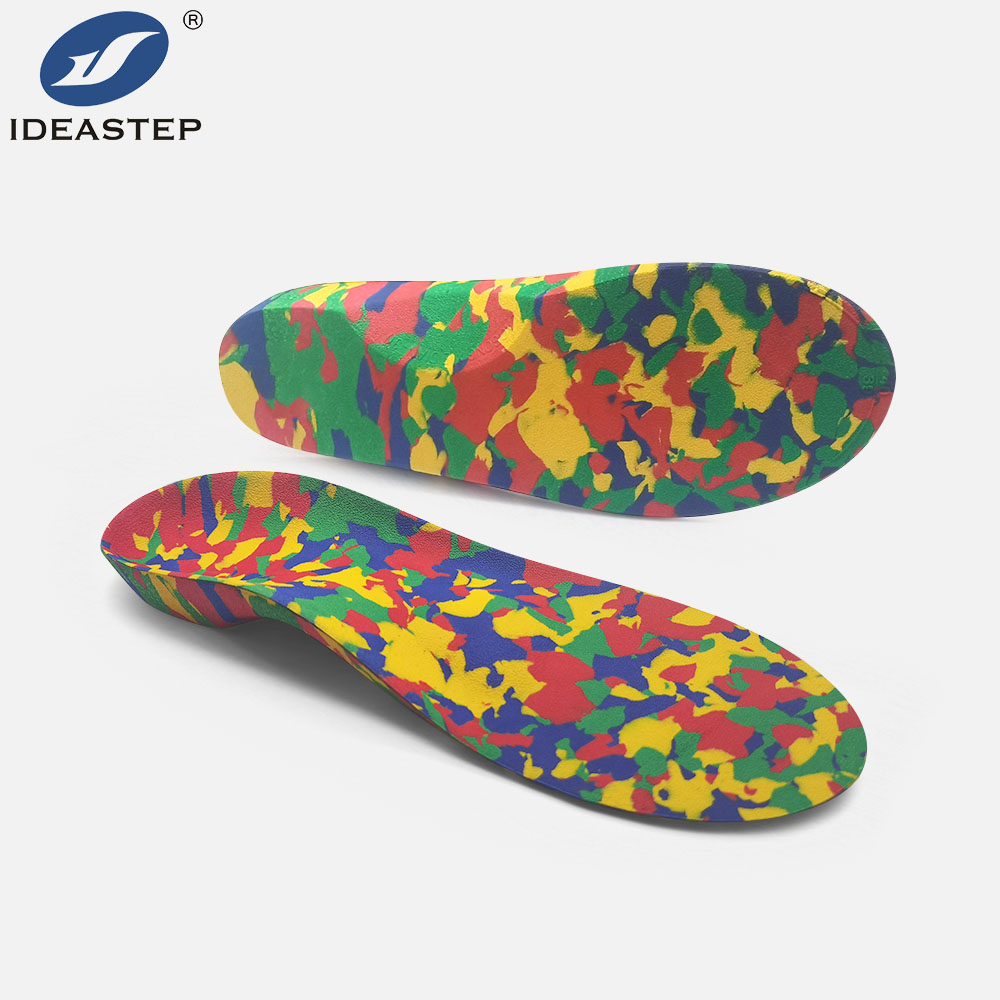
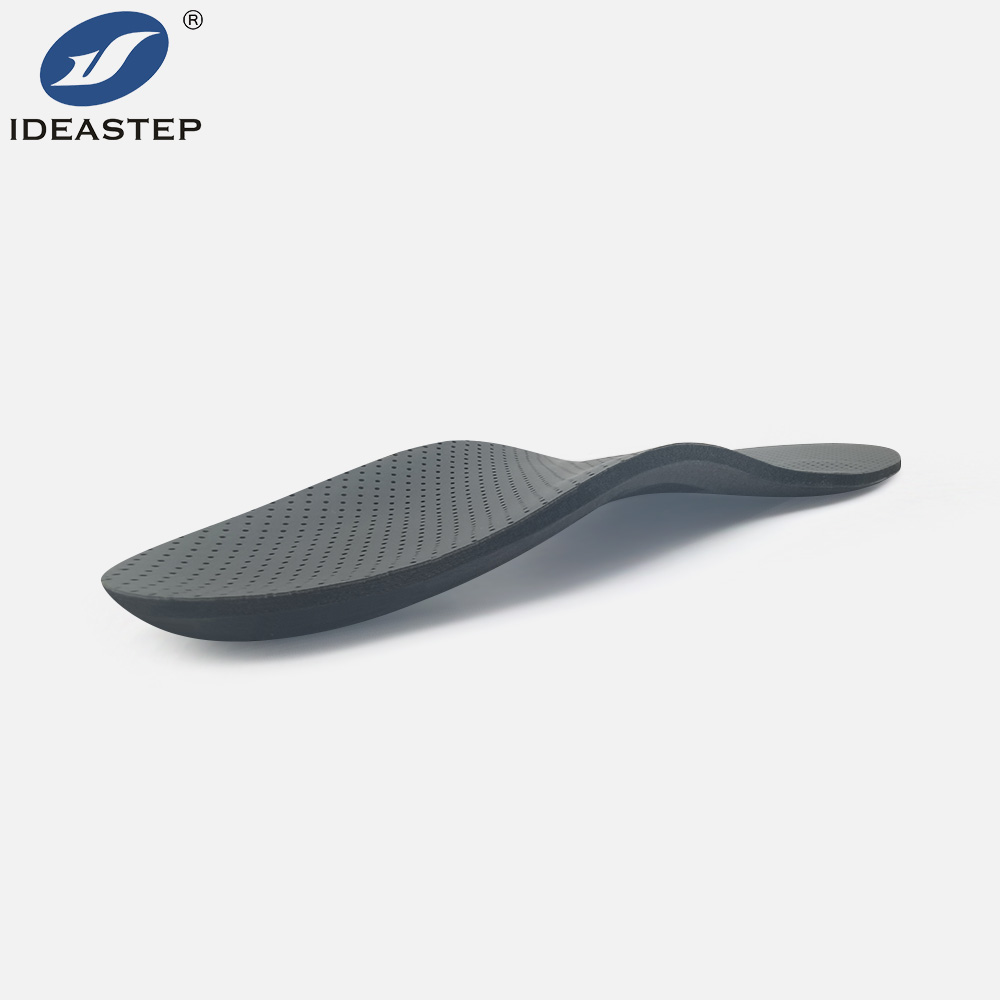
- Molded orthotic-style insoles with defined arch profiles
- Specialty insoles with customized surface materials
The objective is not to make every product completely different. A more practical approach is to identify the features that matter to each market and develop a consistent range around them.
This gives buyers greater control over product positioning without creating unnecessary variations.
3. Adapt Insole Specifications to Different B2B Markets
A distributor serving several industries may face very different product requirements. A single standard design is rarely suitable for every channel.
Custom made insoles allow product specifications to reflect the needs of the intended market.
| Target Market | Relevant Customization Requirements |
|---|---|
| Footwear brands | Shoe-specific dimensions, material combinations, and branded finishes |
| Orthotic laboratories | Arch profiles, shell structures, and dimensional accuracy |
| Sports product distributors | Application-specific cushioning, flexibility, and support components |
| Medical supply distributors | Defined materials, product documentation, and labeling requirements |
| Orthopedic footwear manufacturers | Footbed dimensions, heel geometry, and support structures |
| Workwear distributors | Durable materials and compatibility with designated footwear models |
Understanding the distribution channel helps manufacturers recommend suitable constructions and avoid unnecessary product modifications.
For buyers, it also makes product planning more focused. Instead of purchasing a broad range of standard products, they can prioritize specifications that match their actual customers.
4. Simplify Sourcing Through a Broader Manufacturing Partnership
Managing multiple insole suppliers can increase purchasing administration. Different manufacturers may use different material grades, size systems, packaging standards, and quality inspection procedures.
A capable custom insole supplier may support several related product categories within one manufacturing relationship.
For example, a distributor sourcing sports, casual, and orthopedic insoles may be able to coordinate these products through one supplier if the manufacturer has the required materials, equipment, and technical capabilities.
This can help simplify:
- Product specification management
- Sample development and approval
- Supplier communication
- Order coordination
- Quality documentation
- Repeat purchasing
However, supplier consolidation should follow a technical assessment. Buyers should verify that the manufacturer can produce each required construction to the agreed specifications rather than assuming that a broad catalog guarantees manufacturing capability.
5. Maintain Control Over Specifications and Repeat Orders
One of the strongest advantages of custom manufacturing is the ability to establish a documented product specification.
With standard wholesale products, buyers generally select from specifications established by the supplier. Custom projects allow both parties to agree on the dimensions, materials, construction, and inspection criteria required for the finished product.
A useful product specification should include:
- Approved dimensions and size grading
- Material types and grades
- Hardness and density requirements, where applicable
- Layer arrangement and component positions
- Arch profile and heel cup geometry
- Top-cover material and surface finish
- Branding and packaging details
- Inspection requirements and approved reference samples
These records provide a consistent reference for purchasing, production, and quality inspection.
They also help control changes. If a material grade or construction needs to be adjusted, the manufacturer can review the impact before introducing the change into production.
For distributors placing repeat orders, this level of specification control is particularly valuable.
6. Assess the Total Cost of Custom Insole Sourcing
Custom insoles may involve development costs that standard catalog products do not. Sample production, tooling, material selection, and smaller initial quantities can affect the first quotation.
However, comparing suppliers only by unit price can give an incomplete picture of the purchasing cost.
Buyers should also consider:
Development and Tooling Costs
Some constructions require dedicated tooling or additional sample work. These costs should be clarified before a project begins.
Minimum Order Quantity
Custom products may have different MOQ requirements depending on materials, processes, and production arrangements. Buyers should confirm whether quantities can be allocated across different sizes or models.
Inventory Planning
A well-organized product range can reduce unnecessary variations, but custom products still require demand forecasting and stock planning.
Repeat Order Efficiency
Approved specifications and samples reduce the need to restart product development for every order.
Quality and Rework Costs
Clear acceptance criteria can help prevent misunderstandings and reduce avoidable production adjustments.
A more useful sourcing comparison includes unit price, development costs, order quantity, quality requirements, expected reorder frequency, and delivery arrangements.
7. How to Evaluate a Custom Made Insole Supplier
Not every wholesale insole supplier offers the same level of manufacturing support. Some primarily resell standard products, while others can develop constructions around customer drawings, reference samples, or technical requirements.
Before selecting a supplier, buyers should review the following capabilities.
| Evaluation Area | What Buyers Should Confirm |
|---|---|
| Product development | Ability to work from drawings, samples, and product specifications |
| Material selection | Availability of EVA, PU, TPU, thermoplastics, and suitable top covers |
| Manufacturing processes | Cutting, CNC machining, molding, thermoforming, lamination, and bonding capabilities |
| Customization | Control over dimensions, structures, materials, branding, and packaging |
| Quality control | Documented inspection standards and approved sample management |
| Order handling | Ability to manage different sizes, models, and quantities |
| Technical communication | Clear responses to material and construction requirements |
| Supply planning | Material availability, production scheduling, and repeat-order arrangements |
Buyers should request relevant samples and discuss the actual production process with the supplier. They should also clarify which operations take place in-house and which depend on external partners.
A supplier’s product catalog is useful, but manufacturing evidence, technical communication, and specification control provide a stronger basis for evaluating its capabilities.
8. When Does Custom Manufacturing Make More Sense Than Standard Wholesale?
Custom sourcing is not necessary for every purchasing project. Standard wholesale products remain suitable when the required specifications are common, immediate availability matters, and buyers do not need exclusive designs.
Custom manufacturing becomes more relevant when:
- Standard products do not fit the target footwear dimensions.
- A distributor needs exclusive or private-label specifications.
- Different sales channels require distinct constructions.
- A footwear brand needs insoles developed for its own shoe models.
- Product dimensions and material specifications must remain consistent across repeat orders.
- A wholesale business wants to build a differentiated insole range.
The decision should reflect actual market demand, expected purchasing volume, development costs, and the commercial benefit of customization.
9. Start a Custom Insole Project With Clear Requirements
A well-prepared inquiry helps the manufacturer assess feasibility and provide a more relevant quotation.
For an initial discussion, wholesale buyers should share:
- Application: The target footwear category or distribution market.
- Product requirements: Desired dimensions, structure, materials, and functional characteristics.
- Reference information: Existing samples, drawings, photographs, or product specifications.
- Order details: Expected quantity, size range, and potential reorder frequency.
- Branding: Logo, labeling, and packaging requirements.
- Delivery expectations: Target schedule and shipping destination.
Not every project needs a complete technical drawing at the beginning. A reference sample and a clear description of the intended application can provide a useful starting point.
The supplier can then review the requirements, recommend suitable materials and constructions, and identify any additional information needed before sampling.
Why Work With Ideastep for Custom Insole Manufacturing?
Ideastep is the brand of Xiamen KON Technology Co., Ltd. With a footwear materials manufacturing background dating to 1989, the company focuses on custom orthotic insoles and related footwear material solutions.
For B2B buyers, the project can be discussed around the actual product requirements, including:
- EVA, PU, TPU, and other material combinations
- Custom insole dimensions and structural configurations
- Foam cutting, CNC machining, molding, and related manufacturing processes
- Sample development and specification confirmation
- Wholesale production and product customization
Whether you are developing a private-label insole range, sourcing components for a footwear collection, or looking for a long-term wholesale manufacturing partner, the first step is to define the product and its intended application.
Discuss Your Custom Insole Project
Send us your product requirements, reference samples, target sizes, and estimated order quantity. Our team can review the specifications and discuss suitable materials, construction options, and manufacturing arrangements for your project.
Conclusion
Custom made insole suppliers offer more than an alternative to standard wholesale products. They give footwear brands and distributors greater control over product specifications, market differentiation, and long-term sourcing arrangements.
The value comes from matching manufacturing capabilities to real purchasing requirements. A supplier that can support material selection, product development, specification management, and repeat production can become a more valuable partner than one offering catalog products alone.
For wholesale buyers, the right decision is not simply to choose between standard and custom insoles. It is to determine which sourcing model provides the best balance of product suitability, cost, quality, and supply reliability.
Related Reading: Custom Made Insoles for Private Label Brands Expanding Their Product Lines.