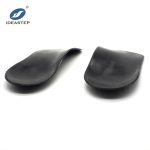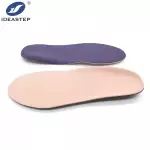
EVA (Ethylene Vinyl Acetate) midsoles are widely used in athletic footwear, work boots, and functional shoes due to their lightweight structure, impact absorption performance, and cost efficiency. As one of the most critical components in footwear construction, the midsole directly affects cushioning, energy return, and long-term wearing comfort.
However, over time and with repeated mechanical loading, EVA materials inevitably degrade. In many cases, the upper and outsole remain in good condition, while the midsole has already lost its functional performance. This is where EVA midsole replacement becomes a practical and cost-effective solution.
1. What Is an EVA Midsole and What Does It Do?
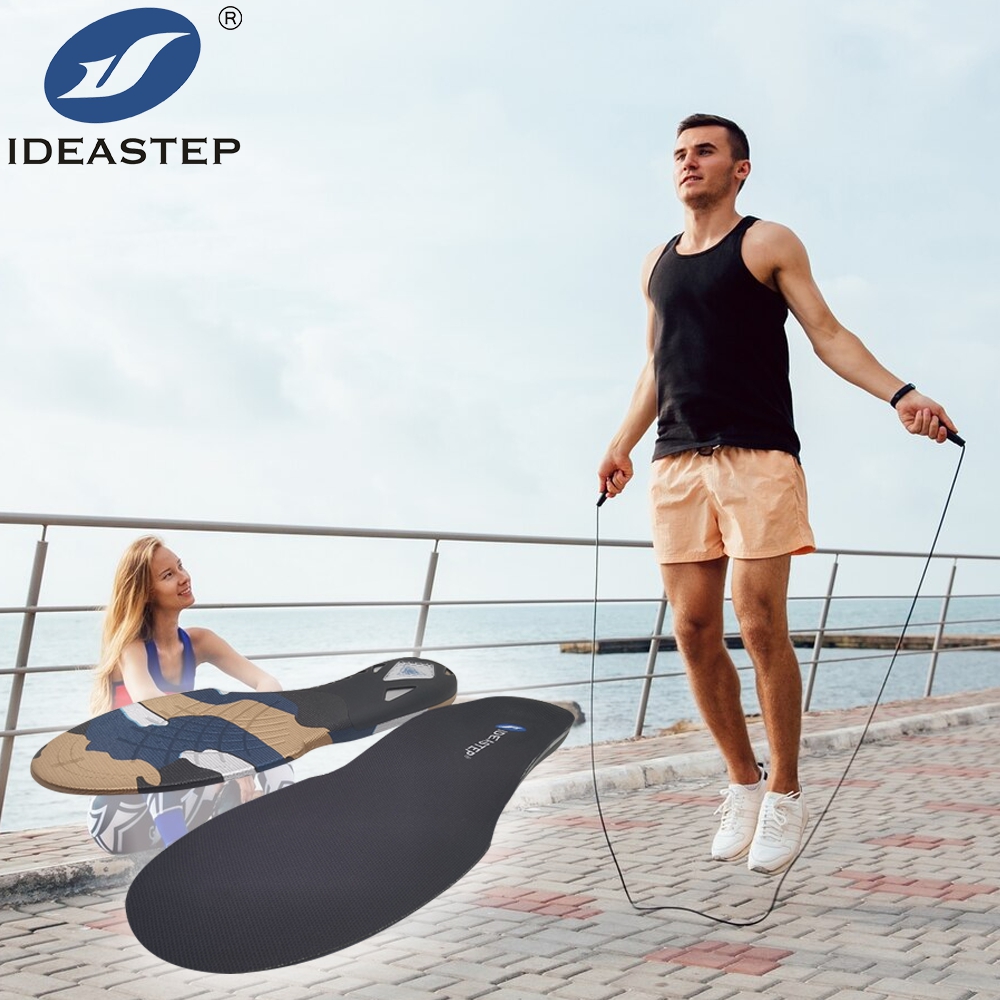
An EVA midsole is typically made from closed-cell foam and is positioned between the outsole and upper. It acts as the primary cushioning layer within the footwear system, responsible for impact absorption and motion stability.
Key functions include:
- Absorbing ground impact forces during heel strike
- Distributing plantar pressure across the foot
- Improving walking efficiency and gait transition
- Providing basic support and dynamic stability
2. Why Do EVA Midsoles Degrade Over Time?
EVA degradation is not a sudden failure but a gradual material aging process driven by structural fatigue and environmental exposure.
2.1 Compression Set (Permanent Deformation)
Repeated loading causes the internal closed-cell structure to collapse permanently, reducing thickness and rebound performance.
2.2 Polymer Oxidation
Exposure to oxygen, humidity, and UV light breaks down polymer chains, resulting in increased hardness and reduced elasticity.
2.3 Microcell Fatigue
Continuous mechanical stress gradually damages foam cell walls, leading to reduced energy return capability.
The final result is typically noticeable: reduced cushioning, increased stiffness, and higher fatigue during walking or standing.
3. Why EVA Midsole Replacement Matters
In many cases, footwear uppers and outsoles remain structurally intact while only the midsole has failed. In such situations, replacing the entire shoe is often unnecessary.
Key benefits include:
- Restoration of original cushioning performance
- Extension of overall footwear lifespan
- Lower maintenance and replacement costs
- Reduced material waste and improved sustainability
4. EVA Midsole Replacement Solution Framework
Depending on application requirements, EVA midsole replacement solutions can be divided into three engineering levels rather than a simple material swap.
4.1 Performance Restoration Level
Designed for everyday footwear repair, focusing on restoring basic cushioning performance.
- Standard-density EVA foam
- Balanced cushioning and flexibility
- Suitable for casual and light athletic footwear
4.2 Performance Upgrade Level
Designed for running shoes and high-frequency use footwear, improving energy return and responsiveness.
- High-rebound EVA materials (≥60% rebound rate)
- Improved energy return efficiency
- Enhanced walking and running responsiveness
4.3 Engineering Grade Structural System
Designed for industrial safety footwear and high-load environments, requiring structural reinforcement beyond simple foam replacement.
-
- EVA + PU composite support structures
- EVA + TPU anti-torsion reinforcement layers
- Multi-density zoned cushioning systems
5. How to Select the Right EVA Midsole Material
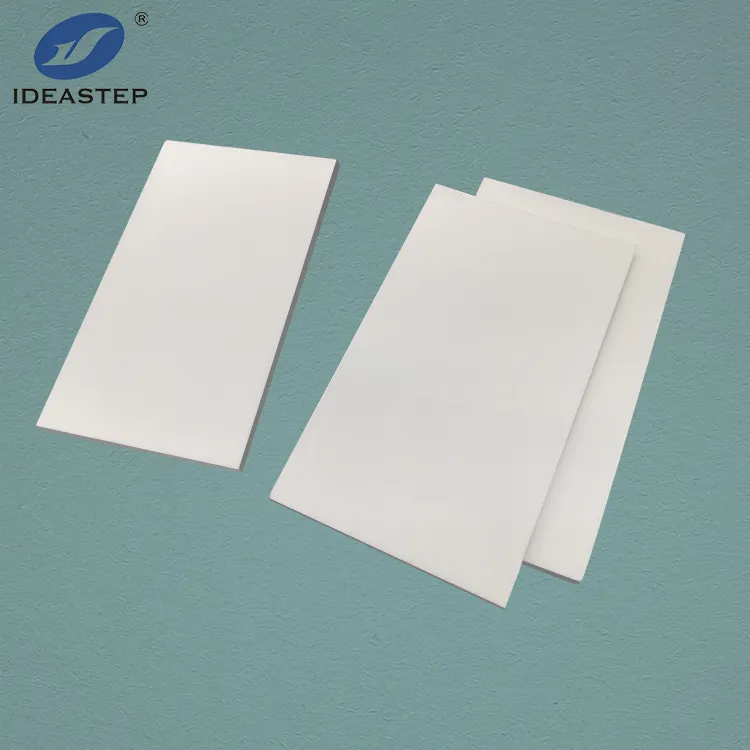
Density Selection
- Low density: soft cushioning for comfort-focused footwear
- Medium density: balanced comfort and support
- High density: durable support for industrial applications
Rebound Performance
Higher rebound materials provide better energy return, resulting in a lighter and more responsive walking experience.
Thickness Matching
- Running shoes: moderate thickness for dynamic response
- Work boots: thicker structure for load distribution
- Orthopedic footwear: customized geometry based on foot anatomy
6. Applications of EVA Midsole Replacement
- Performance restoration for athletic and running shoes
- Comfort upgrades for work and safety footwear
- Orthopedic and rehabilitation footwear systems
- Footwear OEM product lifecycle extension
7. Professional EVA Midsole Replacement Process
A standardized industrial process is essential to ensure consistent performance and structural reliability.
- Footwear structural assessment
- Removal of the existing midsole
- Geometry recalibration and pattern adjustment
- Precision EVA cutting or CNC shaping
- Industrial adhesive bonding
- Compression setting and stabilization
- Final performance testing and quality inspection
8. Key Advantages of EVA Midsole Replacement
- Restores cushioning system performance
- Extends footwear lifespan by 30%–50%
- Reduces overall replacement costs
- Improves plantar pressure distribution
- Supports sustainable product lifecycle management
9. Technical FAQ
Q1: Does midsole replacement affect footwear structural integrity?
When properly executed using compatible materials and controlled processes, structural integrity remains stable.
Q2: How does EVA density influence performance?
Lower density improves softness and cushioning, while higher density enhances stability and load-bearing support.
Q3: What is the difference between EVA and PU midsoles?
EVA is lighter and softer with better cushioning, while PU offers higher durability and abrasion resistance but is heavier.
Q4: Are all shoes suitable for midsole replacement?
No. Suitability depends on whether the footwear structure allows safe disassembly and re-bonding.
10. B2B EVA Midsole Engineering Solutions
For footwear brands and manufacturers, EVA midsole replacement is not just a repair method but a strategic approach to product lifecycle optimization.
- OEM/ODM custom EVA midsole development
- Multi-density material engineering support
- Footwear structure upgrade solutions
- Bulk EVA foam material supply
By combining material engineering with footwear design, brands can significantly improve product performance, extend lifecycle value, and enhance market competitiveness.
Conclusion
EVA midsole replacement represents the intersection of material science, footwear engineering, and sustainable product design. With the right material selection and controlled manufacturing processes, footwear performance can be effectively restored and, in some cases, even improved beyond its original condition.
For B2B manufacturers and brands, this technology is not only a repair solution, but also a strategic tool for lifecycle management and product differentiation.
Related Post: EVA Midsole vs PU: Key Differences in Performance, Durability, and Cost.