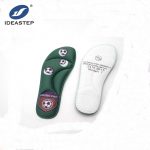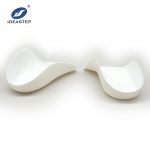
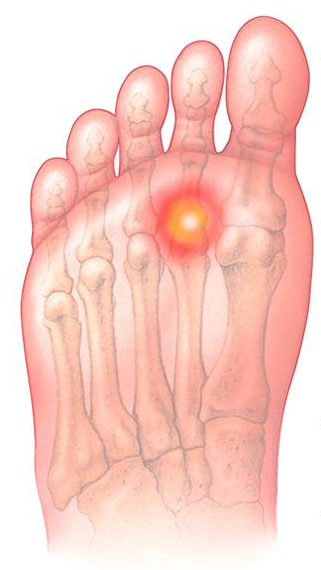
The ball of the foot is the area beneath the metatarsal heads, located between the toes and the arch. This small area plays an important role in weight transfer during walking, running, and standing because it absorbs repeated pressure with every step.
Many people experience discomfort in this area due to prolonged standing, high-impact activities, improper footwear, or uneven foot pressure distribution. In our experience developing orthotic insoles, we have found that forefoot discomfort is often not caused by a lack of cushioning alone. The bigger issue is usually how pressure is distributed across the foot.
The best insoles for balls of feet are designed to improve pressure balance, provide targeted metatarsal support, and enhance overall foot comfort. Unlike basic soft inserts, professional orthotic insoles focus on supporting the natural structure of the foot.
What Causes Discomfort in the Ball of the Foot?
The forefoot contains five metatarsal bones that help support body weight and assist movement. When excessive force is repeatedly concentrated in this area, discomfort may develop.
Excessive Metatarsal Pressure
One common reason for ball of foot discomfort is increased pressure under the metatarsal heads.
This can happen due to:
- Long hours of standing
- Walking or running on hard surfaces
- High-impact sports
- Insufficient shoe cushioning
- Increased pressure from unsuitable footwear
For people experiencing this type of issue, metatarsal support insoles can help redistribute pressure away from sensitive areas and create a more balanced contact surface.
Foot Alignment and Biomechanical Factors
The way a person walks can affect how pressure moves through the foot.
Common factors include:
- Low arches or fallen arches
- Excessive inward rolling of the foot
- Poor weight distribution
- Lack of proper support from footwear
When the foot is not properly supported, certain areas may absorb more stress than intended. A well-designed orthotic insole helps provide structural support and encourages more balanced foot mechanics.
Unsuitable Footwear
Shoes have a direct impact on forefoot pressure.
Common examples include:
- Narrow toe-box shoes
- High heels
- Flat shoes without support
- Worn-out soles with reduced cushioning
These designs may increase loading at the front of the foot, making supportive insoles an effective addition for improving shoe comfort.
How Do Insoles Help With Ball of Foot Discomfort?
A quality insole does more than add softness. Its primary function is to improve the interaction between the foot, shoe, and ground.
Pressure Redistribution
The most important feature of effective forefoot pain insoles is pressure management.
A properly designed insole helps:
- Spread pressure across a larger area
- Reduce concentrated loading under the metatarsal region
- Improve standing and walking comfort
For this reason, professional insoles often combine multiple support zones rather than relying on a single cushioning layer.
Metatarsal Support Design
Metatarsal support is one of the key features found in insoles designed for forefoot comfort.
A properly positioned metatarsal pad can:
- Support the metatarsal area
- Improve weight distribution
- Reduce excessive pressure beneath the toe joints
- Provide additional comfort during movement
However, the position and height of the metatarsal support are critical. A professional insole design should consider foot shape, application, and user requirements rather than using a one-size-fits-all approach.
Cushioning and Shock Absorption
Cushioning materials help absorb impact during daily activities.
| Material | Advantages |
|---|---|
| EVA Foam | Lightweight, flexible, shock absorption |
| PU Foam | Soft feel and long-term cushioning |
| Gel | Targeted impact reduction |
Among these materials, EVA foam insoles are widely used because they offer a good balance between comfort, durability, and production flexibility.
Best Types of Insoles for Balls of Feet
The ideal insole depends on foot structure, activity level, and footwear requirements.
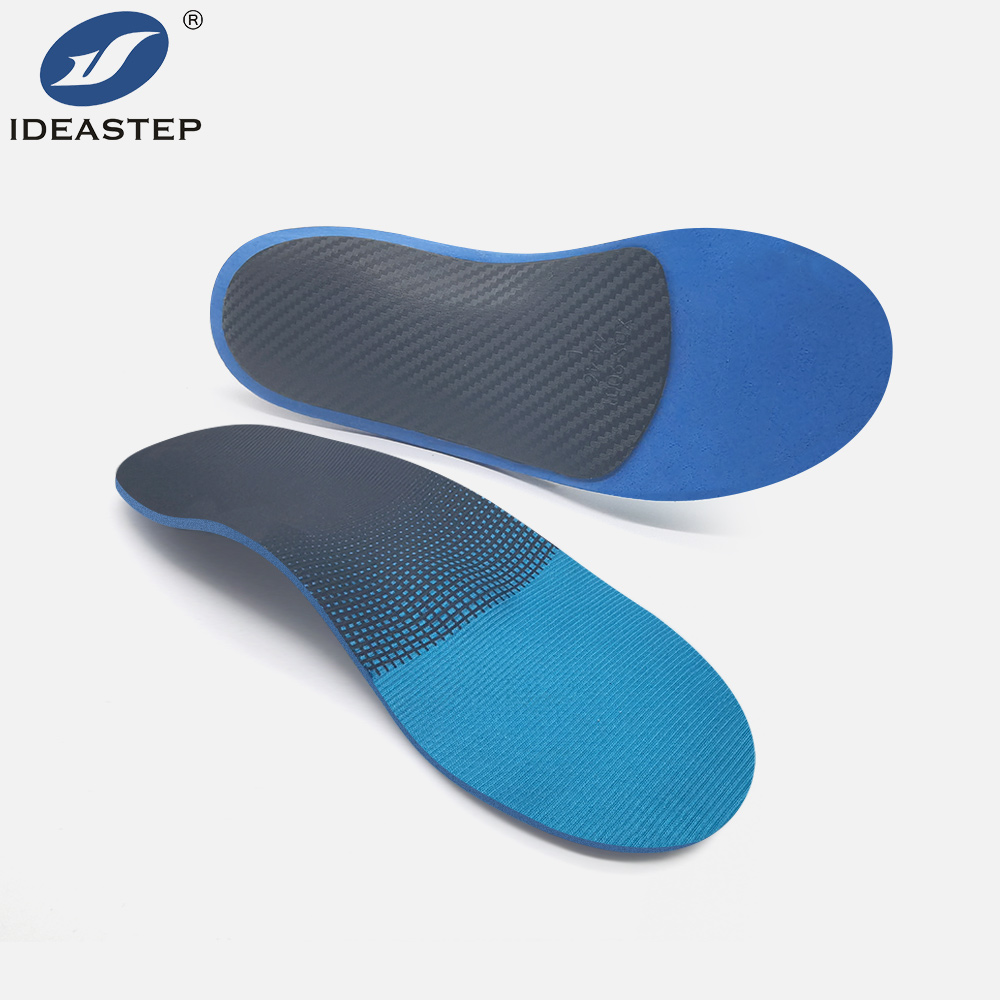
Metatarsal Support Insoles
These insoles are designed for users who need additional support around the forefoot area.
Suitable applications include:
- Daily walking shoes
- Work footwear
- Casual shoes
- Athletic footwear
Key features:
- Metatarsal pad support
- Improved pressure distribution
- Enhanced forefoot cushioning
Orthotic Insoles With Arch Support
Arch support helps maintain better foot stability and improves overall pressure distribution.
They are commonly used for people who experience:
- Foot fatigue
- Low arch support needs
- Uneven walking patterns
A combination of arch support and metatarsal cushioning often provides a more complete solution than cushioning alone.
EVA Foam Insoles
EVA is one of the most popular materials in professional insole manufacturing.
Depending on density and hardness, EVA can be engineered for different applications:
- Softer EVA for cushioning-focused designs
- Higher-density EVA for stronger support
- Multi-layer EVA structures for balanced performance
For footwear brands and distributors, EVA also provides flexibility for OEM/ODM product development.
How to Choose the Right Insoles for Balls of Feet?
Selecting the right insole requires considering several factors.
Consider Your Foot Type
Different foot structures require different support levels:
- Low arch feet may need stronger arch support
- High arch feet may require additional cushioning
- Neutral feet may benefit from balanced support
Match the Insole to Your Activity
The best design depends on how the insole will be used.
- Standing work: Prioritize cushioning, stability, and long-term comfort.
- Running and sports: Focus on shock absorption and foot control.
- Daily walking: Choose a balance between support and flexibility.
Evaluate Material and Construction
A high-quality insole should combine:
- Proper support structure
- Durable materials
- Comfortable top layer
- Suitable cushioning performance
Multi-layer construction is commonly used in professional orthotic products because different materials can perform specific functions.
Custom Orthotic Insoles for Professional Applications
Standard insoles can meet general comfort needs, but customized solutions provide more flexibility for specific applications.
Custom orthotic insoles can be developed based on:
- Foot shape
- Pressure distribution requirements
- Material preference
- Shoe type
- Target customer group
For podiatry clinics, footwear brands, wholesalers, and distributors, OEM/ODM insole manufacturing allows customized designs, private labeling, and bulk production according to market requirements.
Frequently Asked Questions
Are insoles good for ball of foot discomfort?
Supportive insoles may improve comfort by reducing excessive pressure and providing better cushioning and foot support.
What type of insole is best for metatarsal support?
Insoles with properly positioned metatarsal pads, cushioning layers, and balanced foot support are commonly selected for forefoot comfort applications.
Are EVA foam insoles suitable for daily use?
Yes. EVA foam provides lightweight cushioning and flexibility, making it widely used in walking shoes, work shoes, and sports footwear.
Are custom orthotic insoles better than regular insoles?
Custom orthotic insoles offer a more personalized design based on specific foot requirements, making them suitable for professional applications and specialized footwear solutions.
Conclusion
Finding the best insoles for balls of feet is not simply about choosing the softest insert. Effective foot support depends on proper pressure distribution, metatarsal support, cushioning performance, and overall foot structure.
Whether for everyday comfort, work footwear, sports applications, or professional foot care products, well-designed orthotic insoles can provide a more supportive and comfortable experience.
For businesses looking for customized solutions, professional manufacturers can provide custom orthotic insoles, EVA insole development, OEM/ODM services, and bulk production support based on different market needs.
Related Solutions: Ideastep Custom Medical Orthotics Supplier for Clinics, Brands, and Distributors.