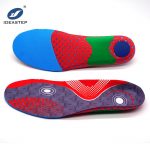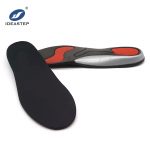
Boots are built for structure and durability, but the standard footbed may not provide enough cushioning or support for long-term use. A well-designed memory foam insole can improve underfoot cushioning while maintaining the fit and structure of the boot.
For footwear brands and B2B buyers, the best memory foam insoles for boots are not simply the softest options. Thickness, foam density, support structure, base material, and overall fit all need to match the footwear.
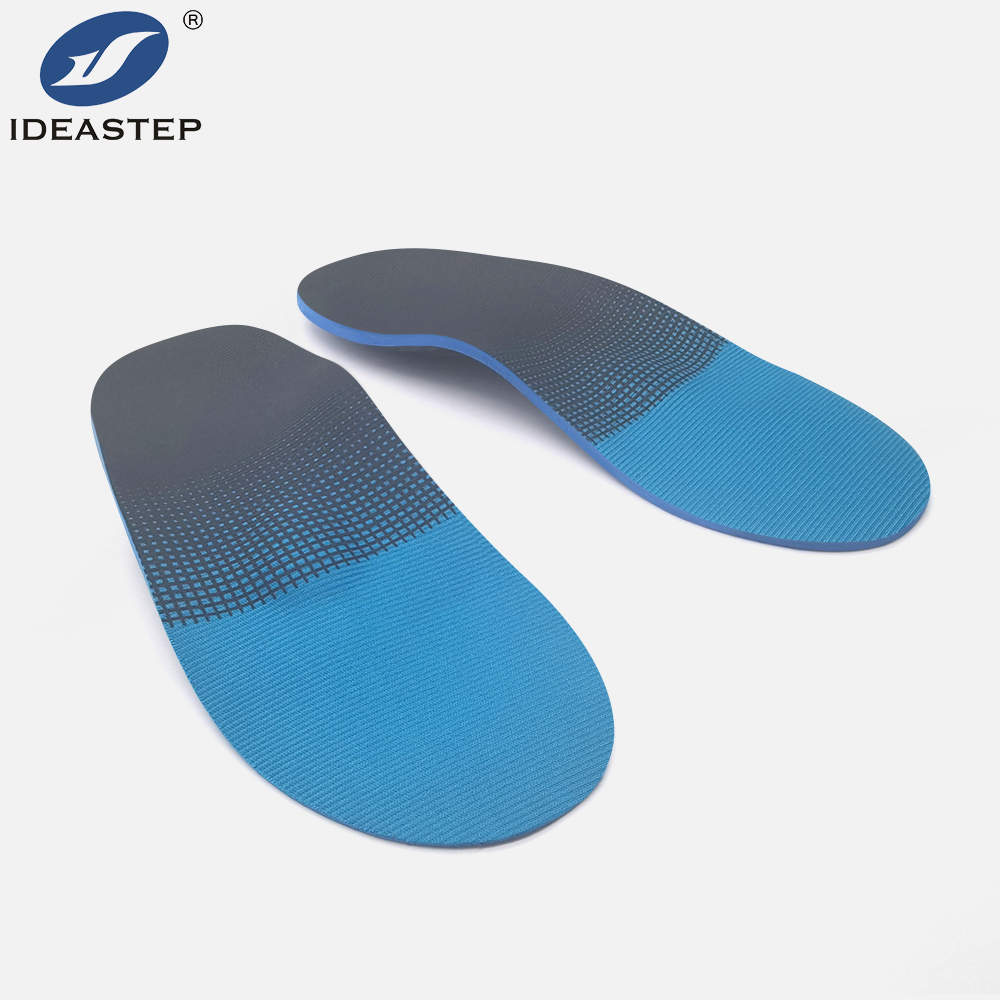
What Makes a Good Memory Foam Insole for Boots?
Memory foam is mainly used for cushioning and can be combined with other materials to create a more balanced insole.
- Memory foam: Provides a soft cushioning layer.
- EVA: Offers a lightweight base with different hardness options.
- TPU: Adds a firmer structural component when required.
- Fabric or microfiber: Provides the desired surface finish and foot-contact feel.
Thickness is especially important for boots. A thicker insole may provide more cushioning but can reduce the internal space of the footwear. The right construction should provide the required cushioning without compromising fit.
Memory Foam with Structured Support
Memory foam works best as part of a complete insole structure rather than as the only material. A firmer EVA or TPU base can support the overall shape, while the memory foam layer provides cushioning.
The structure can also include a defined arch profile, heel cup, or different thickness zones. This allows the same basic material concept to be developed for comfort boots, work boots, outdoor footwear, and orthotic applications.
Custom Memory Foam Insoles for OEM
OEM buyers can develop memory foam boot insoles based on an existing sample, drawing, CAD file, or product specification.
Key specifications can include size, thickness, foam density, EVA or TPU base, arch profile, heel cup, top-cover material, logo, color, and packaging.
Before bulk production, a sample can be evaluated inside the target boot to confirm the fit, dimensions, material combination, and overall construction. Once approved, the specifications can be used as the reference for mass production and repeat orders.
Choosing Memory Foam Insoles for Wholesale
For wholesale supply, product consistency is just as important as the initial design. Buyers should confirm the material specifications, dimensions, thickness, support structure, top cover, branding, packaging, and order quantity before production.
A clear specification helps maintain consistency between production batches and makes repeat OEM orders easier to manage.
Best Memory Foam Insoles for Boots for B2B Buyers
The right memory foam insole depends on the boot, not just the foam. A practical design balances cushioning, support, available shoe space, material performance, and production cost.
For OEM and wholesale projects, an existing sample or technical drawing can be used to start development. After sample approval, the confirmed construction can move into bulk production with defined material and quality specifications.
Related Articles:
Latex Insoles: Durable Shock Absorption and Eco-Friendly Footwear Support
ideastep Kids Memory Foam Insoles Product Introduction