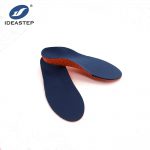
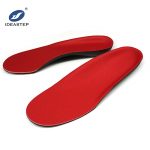
Key Factors in Biomechanical Insole Design
Insole structure should match the intended footwear and application. The main design variables include:
- Arch profile: Determines the shape and contact area of the arch-support section.
- Heel cup: Influences heel positioning and compatibility with the shoe.
- Cushioning: Affects the insole’s response to loading in the heel and forefoot.
- Material stiffness: Influences flexibility, deformation, and structural support.
- Overall thickness: Affects internal shoe volume and fit.
These factors work together. Changes to arch height, material hardness, or cushioning thickness can affect the fit and feel of the finished insole.
Arch Support and Structural Design
Arch support should be selected according to foot shape, shoe construction, and product requirements. Low, medium, and high arch profiles offer different contact patterns and support characteristics, so no single profile suits every application.
For custom projects, manufacturers can adjust arch contour, heel cup depth, width, and the transition between structural zones. These dimensions should be checked against the target shoe to avoid excessive pressure or reduced internal space.
Heel cup geometry is equally important. Its shape and depth influence how the heel sits in the insole, while the surrounding structure must remain compatible with the footwear’s design.
Cushioning and Insole Material Selection
Cushioning performance depends on more than material thickness. Density, hardness, resilience, and compression behavior all influence how an insole responds to repeated loading.
- EVA: A lightweight material available in different densities and hardness levels for a range of insole constructions.
- PU foam: Used in cushioning applications, with performance depending on its formulation and density.
- TPU: Suitable for selected structural components where greater resistance to deformation is required.
- Poron and other cushioning materials: Used in specific zones when the design calls for particular cushioning characteristics.
- Top-cover fabrics: Selected according to surface feel, wear requirements, and footwear compatibility.
Material combinations should reflect the product’s purpose, target cost, and manufacturing requirements. A firmer base with softer cushioning zones may suit some designs, but the complete construction needs to be evaluated as a unit.
Excessively soft materials may compress and alter the feel of the support structure. Materials that are too firm may not provide the intended cushioning response. Designers must also consider shoe volume, especially when developing insoles for work boots, dress shoes, and close-fitting footwear.
Foot Mechanics and Insole Geometry
Foot loading changes throughout the gait cycle, from initial heel contact to weight transfer across the midfoot and forefoot. Insole design should account for these changing demands rather than use the same structure across every zone.
Heel and Forefoot Design
The heel area may combine cushioning with a shaped support structure, while the forefoot may require a different thickness or material response to preserve flexibility and shoe fit. Some designs also include localized cushioning or a metatarsal feature, depending on the application.
Flexibility and Support
An insole should work with the footwear rather than restrict its intended movement. Flexible sports shoes, structured dress shoes, and rigid work boots have different construction requirements. Bending characteristics, thickness transitions, and compatibility with the existing footbed should be reviewed during development.
Design Requirements Across Different Applications
Work Boots and Safety Footwear
Work boot insoles often require a balance of cushioning, structural support, durability, and internal shoe space. Material selection should reflect the working environment and the boot’s construction. Any applicable footwear safety requirements must also be considered.
Running and Sports Footwear
Sports insoles may prioritize low weight, cushioning response, flexibility, or a defined support structure. The appropriate combination depends on the sport and shoe platform.
Orthotic and General Footwear
Orthotic product ranges commonly vary in arch profile, heel cup geometry, material hardness, and size grading. Brands can select prefabricated designs for broader distribution or develop custom specifications for specific footwear categories.
Custom Biomechanical Insole Design for OEM and ODM
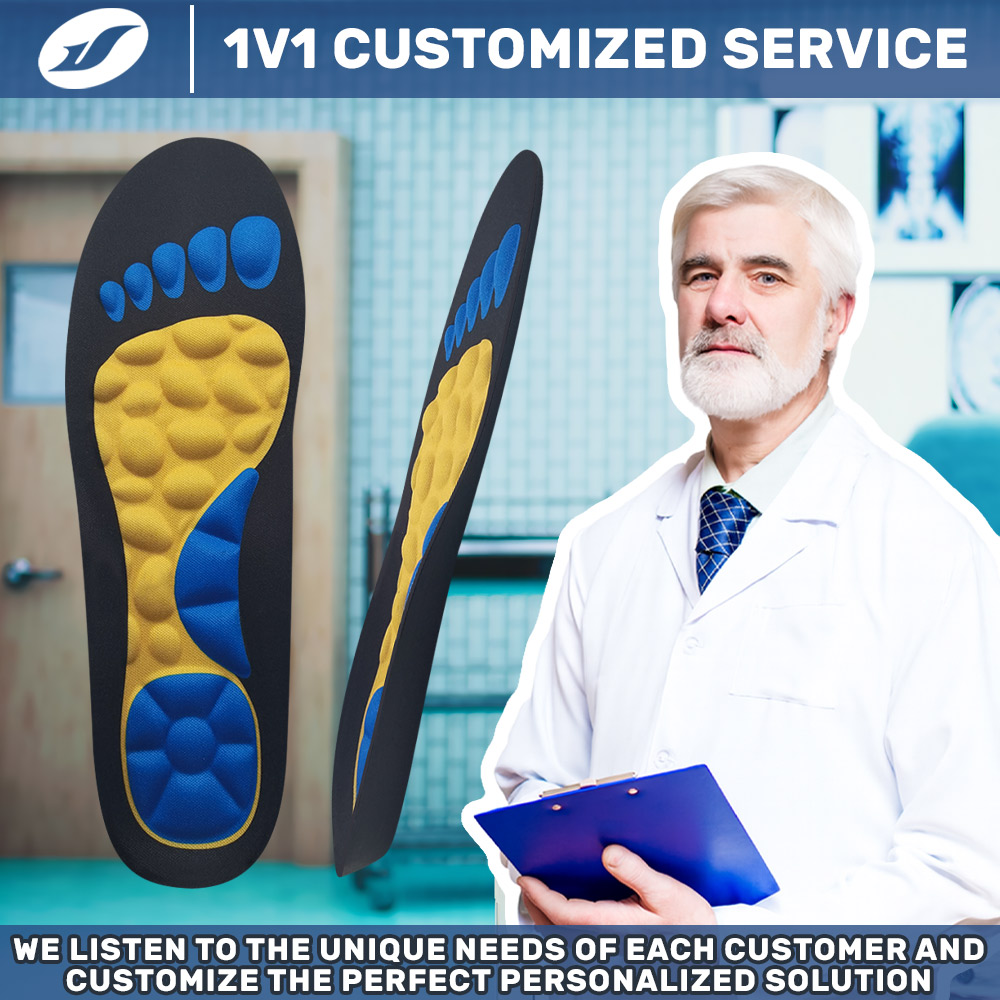
OEM and ODM projects allow brands, footwear manufacturers, and distributors to specify insole structure, materials, dimensions, branding, and packaging. A clear technical brief helps reduce revisions during sampling.
Common customization options include:
- Arch profile, heel cup depth, and overall contour.
- Material type, density, hardness, and layer construction.
- Heel and forefoot cushioning zones.
- Size range, trimming allowance, and shoe compatibility.
- Top-cover fabric, logo placement, and packaging.
Development can begin with a technical drawing, reference sample, or footwear specification. The manufacturer can review the proposed design, prepare samples, and refine the construction based on fit checks and agreed requirements.
Quality Control and Wholesale Production
Consistent bulk production depends on clear specifications and repeatable inspection procedures. Before production begins, buyers and manufacturers should confirm material grades, dimensions, size range, tolerances, and packaging.
Key quality checks may include:
- Material inspection: Verifying materials against the approved specification.
- Dimensional checks: Measuring length, width, thickness, and key structural features.
- Construction inspection: Checking bonding, layer alignment, and surface finishing.
- Sample approval: Using an approved sample as a production reference.
- Batch consistency: Applying agreed inspection criteria during production.
MOQ and lead time depend on material availability, tooling, design complexity, and order volume. Confirming these details early helps buyers plan inventory and purchasing schedules.
Choosing a Biomechanical Insole Manufacturer
For B2B buyers, a suitable supplier should offer more than a standard product catalogue. Evaluate the manufacturer’s ability to support design adjustments, material selection, sample development, and repeat orders.
- Design capability: Experience with arch profiles, heel cups, and multi-layer constructions.
- Material options: Access to suitable EVA, PU, TPU, and top-cover materials.
- Customization: Support for drawings, reference samples, branding, and size requirements.
- Quality control: Defined specifications and inspection procedures.
- Supply capacity: Clear MOQ, lead time, packaging, and repeat-order terms.
Biomechanical Insole Manufacturing and Wholesale Supply from Ideastep
Ideastep supports B2B customers sourcing prefabricated and customized insoles for footwear and orthotic product ranges. Depending on project requirements, customization may cover material selection, structural configuration, size specifications, branding, and bulk production planning.
For an OEM or ODM inquiry, provide a reference sample or drawing, target footwear type, preferred materials, size range, estimated order quantity, and packaging requirements. This information helps the team assess the project and discuss suitable options.
Frequently Asked Questions
What factors affect biomechanical insole design?
Key factors include arch geometry, heel cup shape, cushioning response, material stiffness, overall thickness, and compatibility with the target footwear.
Which materials are commonly used in custom insoles?
EVA, PU foam, TPU components, and various top-cover fabrics are common options. Selection depends on the required structure, cushioning, durability, and cost.
Can arch support and cushioning be customized?
Both can often be adjusted to meet project requirements. However, changes should be evaluated together because they can affect overall thickness, flexibility, and shoe fit.
What information is needed for an OEM insole project?
Provide the target shoe type, size range, design requirements, reference sample or drawing, material preferences, branding details, estimated quantity, and packaging specifications.
What should buyers confirm before bulk production?
Confirm the approved sample, material specifications, size grading, dimensional tolerances, MOQ, lead time, packaging, and inspection requirements.
Discuss Your Custom Insole Requirements
Effective biomechanical insole design balances support, cushioning, material properties, and footwear fit. For wholesale and private-label projects, defining these requirements early helps streamline development and production planning.
Contact the Ideastep team to discuss your insole specifications, material options, sample development, and wholesale order requirements.
Related Reading: Low MOQ Flat Feet Corrective Insoles Biomechanical Correction Shoe Inserts.