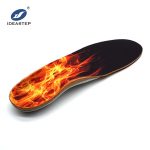
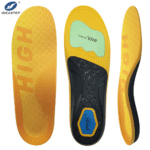
Choosing an orthotic insole supplier requires evaluating manufacturing capabilities, material options, customization flexibility, quality control, and production capacity. For wholesalers, distributors, footwear brands, and orthotic laboratories, these factors directly affect product consistency, procurement costs, and supply planning.
A qualified supplier should be able to work with defined product specifications, support sample development, and maintain consistent standards across bulk orders. Understanding these capabilities helps buyers assess manufacturing partners and establish long-term supply arrangements.
Ideastep works with orthotic insole products and related materials, supporting different product requirements for wholesale and customized supply projects.
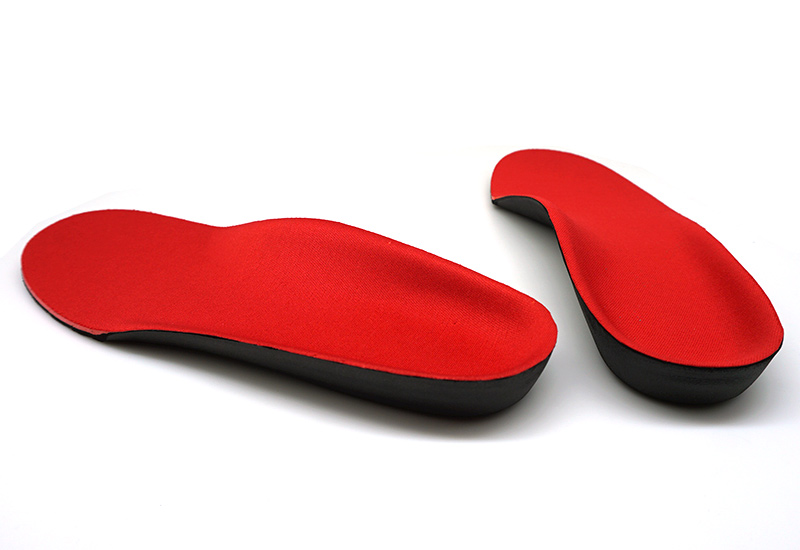
What Types of Orthotic Insoles Can a Supplier Provide?
Orthotic insole suppliers may offer prefabricated, semi-custom, and fully customized products. Each category involves different development requirements, production processes, and order conditions.
Prefabricated Orthotic Insoles
Prefabricated orthotic insoles use established designs and specifications. They suit distributors and wholesalers seeking a consistent product range for regular orders.
Available options may include different arch profiles, heel cup designs, cushioning materials, and top-cover fabrics. Buyers should confirm the available sizes, material specifications, packaging options, and minimum order quantity (MOQ) before ordering.
Semi-Custom Orthotic Insoles
Semi-custom designs modify selected features of an existing product. Depending on the model, adjustments may include materials, thickness, colors, top covers, or structural components.
This approach allows brands to develop differentiated product lines without designing every component from scratch. The supplier should confirm which modifications are feasible and whether additional tooling or sampling is required.
Fully Custom Orthotic Insoles
Fully custom projects typically start with technical drawings, physical samples, digital models, or detailed product specifications.
Customization may involve arch geometry, heel cup shape, material density, cushioning zones, and overall thickness. Manufacturing feasibility depends on the proposed design, material properties, production method, and target cost.
Before mass production, buyers should approve a sample against the agreed specifications. This provides a reference for subsequent production and inspection.
Custom Materials and Structural Design Options
Material selection and structural design determine an insole’s physical characteristics, manufacturing requirements, and suitability for its intended application. Buyers should evaluate these factors together rather than selecting materials by name alone.
Material Selection for Orthotic Insoles
| Material | Common Characteristics | Key Specifications |
|---|---|---|
| EVA | Lightweight foam with adjustable firmness and cushioning | Density, hardness, thickness, and compression behavior |
| PU Foam | Available in formulations with different cushioning and resilience properties | Density, foam structure, and resilience |
| TPU | Thermoplastic material used in supportive and structural components | Stiffness, geometry, and processing method |
| Latex | Flexible material used in cushioning components, depending on formulation | Density, thickness, and compression behavior |
| Fabric Top Covers | Provide a finished surface and influence surface feel | Abrasion resistance, color, and bonding compatibility |
Material performance varies by formulation and manufacturing process. Buyers should define measurable requirements, including hardness, density, thickness tolerances, color, and applicable test methods.
Material compatibility also matters. Bonding, forming, cutting, and assembly requirements should be reviewed before production to avoid unnecessary revisions.
Arch Profiles, Heel Cups, and Cushioning Structures
Structural specifications should reflect the intended footwear and product requirements.
- Arch height, length, and contour
- Heel cup depth and shape
- Cushioning location and material thickness
- Overall insole profile and dimensional tolerances
- Component positioning and bonding requirements
Buyers should provide drawings, measurements, digital files, or reference samples wherever possible. Changes to one structural feature may affect fit, material distribution, or compatibility with the footwear.
Top Covers, Colors, and Branding
OEM and private-label projects may require customized top covers, surface finishes, colors, logos, labels, and packaging.
The quotation should distinguish standard options from modifications requiring special materials, tooling, or additional production steps. Buyers should also approve artwork and packaging specifications before mass production.
OEM and ODM Services for Orthotic Insole Brands
OEM and ODM arrangements support different levels of product development. The appropriate model depends on the buyer’s design resources and the supplier’s technical capabilities.
OEM Manufacturing
OEM projects generally follow buyer-provided designs, samples, or technical specifications. The manufacturer produces the agreed product according to the confirmed requirements.
Typical customization options may include material combinations, dimensions, colors, logos, and packaging. Before production, both parties should confirm the specifications, acceptable tolerances, sample approval criteria, and delivery requirements.
ODM Product Development
ODM projects involve greater manufacturer input during design development. Buyers may provide an initial concept, target application, reference product, or preliminary specification.
The development process typically includes:
- Reviewing the product brief and technical requirements.
- Evaluating materials and structural options.
- Confirming manufacturing feasibility and cost considerations.
- Developing and reviewing samples where required.
- Finalizing specifications before mass production.
Tooling, material availability, and structural limitations may affect the final design. These factors should be assessed before the buyer commits to production.
Private Label and Packaging Support
Private-label projects may include logo application, product labels, packaging artwork, and customized product specifications.
Buyers should confirm branding methods, artwork placement, packaging dimensions, and labeling requirements before production. Design ownership, confidentiality, tooling arrangements, and permitted use of customer artwork should also be documented.
Wholesale Orders, MOQ, and Production Planning
MOQ and lead time vary by product model, material, customization level, and manufacturing process. Clear order specifications help both parties plan production and control purchasing costs.
Minimum Order Quantity
Standard products and fully customized designs may have different MOQ requirements. Special colors, material sourcing, tooling, printing, and packaging can also affect minimum quantities.
Buyers should confirm whether MOQ applies per model, size, color, or total order. For mixed orders, clarify whether quantities can be combined across product variations.
Production Lead Time
Production schedules depend on material availability, sample approval, order volume, product complexity, and factory capacity.
Custom projects may require additional time for design review, sampling, and revisions. Quotations should identify the expected sampling period, mass-production lead time, and milestones that determine the production start date.
Bulk Order Specifications
Each purchase order should define:
- Product model and specification revision
- Size range and quantity per size
- Material, color, and thickness
- Structural requirements and tolerances
- Logo, labeling, and packaging
- Inspection criteria
- Delivery destination and requested schedule
Documented specifications reduce misunderstandings and provide a consistent reference for repeat orders.
Sample Approval and Repeat Orders
Approved samples establish the reference standard for mass production. Buyers should check dimensions, materials, component placement, finishing, and compliance with the agreed specifications.
Any subsequent changes should be documented and approved before implementation. Maintaining version-controlled product specifications helps prevent unintended differences between production batches.
Quality Control for Custom and Wholesale Orthotic Insoles
Quality control should follow defined specifications and inspection criteria. The inspection plan should identify the characteristics to be checked, measurement methods, and acceptance limits.
Raw Material Inspection
Incoming materials should be checked against project requirements. Depending on the material, relevant checks may include hardness, density, thickness, color, appearance, and supporting documentation.
Material substitutions should be reviewed before use because differences in formulation or physical properties can affect the finished product.
Dimensional and Structural Inspection
Finished insoles should be checked against approved drawings, samples, or specification sheets.
Inspection points may include:
- Overall length, width, and thickness
- Arch and heel cup dimensions
- Component positioning
- Bonding quality and edge finishing
- Visible defects and assembly consistency
Defined measurement locations and tolerances are particularly important for custom products.
Final Inspection and Documentation
Final inspection may cover appearance, dimensions, quantities, packaging, and selected performance tests according to the agreed quality plan.
For ongoing supply projects, approved samples, inspection records, material documentation, and product specifications provide useful references for repeat orders and quality investigations.
Any performance claims or regulatory requirements should be supported by appropriate evidence. Routine inspection alone does not establish medical effectiveness or regulatory compliance.
How to Choose an Orthotic Insole Supplier
Supplier evaluation should focus on manufacturing suitability, technical communication, quality management, and total procurement costs.
Manufacturing Capabilities
Confirm that the supplier can produce the required design, work with the specified materials, and support the necessary production volume.
Relevant capabilities may include digital design, CNC milling, molding, cutting, 3D printing, assembly, and finishing. The suitability of each process depends on the product structure, material, and order quantity.
Customization and Technical Support
A capable supplier should review specifications, identify missing information, explain manufacturing limitations, and document approved changes.
For projects based on reference samples or preliminary concepts, clarify how the supplier will assess feasibility and establish the final production specifications.
Pricing and Total Procurement Costs
Compare quotations using the same specifications, quantities, packaging requirements, and delivery terms.
The total cost may include sampling, tooling, special materials, branding, packaging, inspection, and shipping. A like-for-like comparison provides a more reliable basis for supplier selection than unit price alone.
Quality Management and Delivery Planning
Ask how the supplier checks incoming materials, controls production specifications, inspects finished products, and handles nonconforming items.
Production schedules should include clear milestones and agreed communication procedures for delays, specification changes, and quality issues.
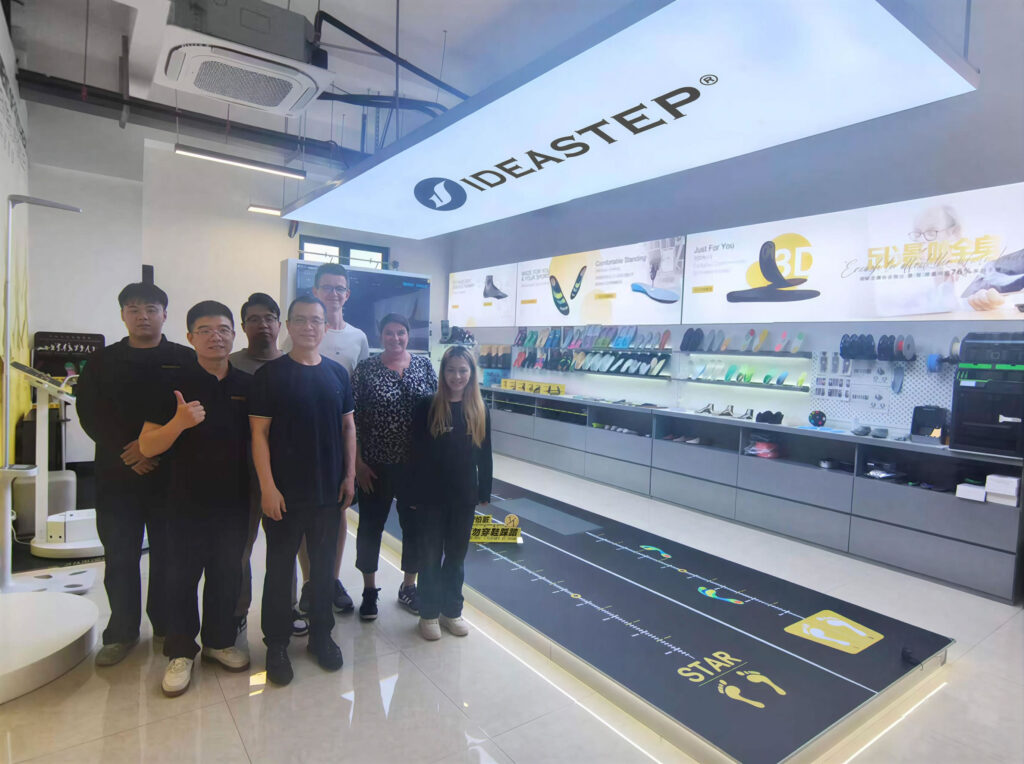
Orthotic Insole Manufacturing and Wholesale Supply from Ideastep
Ideastep operates in the orthotic insole and footcare product sector. Xiamen KON Technology Co., Ltd. traces its manufacturing history to 1989, with experience in footwear-related materials and orthotic products.
Product Development and Manufacturing Processes
Depending on project requirements, orthotic insole production may involve digital design, CNC milling, 3D printing, material processing, and conventional manufacturing methods.
CNC milling can shape suitable materials according to digital designs, while 3D printing supports the production of compatible geometries and prototypes. Process selection depends on material properties, design complexity, production volume, and cost.
Support for Wholesale and Custom Projects
Wholesale buyers may require established models and repeatable specifications, while private-label brands may need customized materials, dimensions, logos, or packaging.
Providing a product sample, technical drawing, target quantity, and material requirements helps the manufacturing team evaluate feasibility and determine the next steps.
Ideastep supports discussions covering product specifications, customization requirements, and bulk supply arrangements. Available options and production conditions should be confirmed for each project.
Information Required for an Orthotic Insole Quotation
A detailed inquiry helps the supplier assess feasibility, estimate costs, and establish production requirements.
| Required Information | Purpose |
|---|---|
| Product type and application | Defines the project scope |
| Drawings, photos, or samples | Clarifies the proposed design |
| Material and hardness | Establishes material requirements |
| Dimensions and size range | Defines production specifications |
| Order quantity and size breakdown | Determines MOQ and production planning |
| Logo and packaging | Identifies customization requirements |
| Target price and delivery schedule | Supports cost and timeline evaluation |
| Destination market and compliance requirements | Identifies relevant documentation and testing needs |
A complete technical drawing is not always necessary for an initial inquiry. A reference sample or preliminary product brief can provide a starting point, with final specifications confirmed before production.
Frequently Asked Questions
What Is the MOQ for Custom Orthotic Insoles?
MOQ depends on the product model, materials, customization requirements, tooling, and packaging. Buyers should confirm the minimum quantity for each model and whether different sizes or colors can be combined.
Can Orthotic Insoles Be Customized with Different Materials and Logos?
Customization may include material combinations, thickness, structural features, colors, top covers, logos, and packaging. Available options depend on the product and manufacturing process.
How Long Does Custom Insole Production Take?
Lead time depends on design complexity, material availability, sampling, approval cycles, order quantity, and production scheduling. Sampling and mass-production timelines should be confirmed separately.
Can Buyers Request Samples Before Bulk Orders?
Sample development may be available depending on the product and project. Buyers should confirm sample costs, preparation time, and whether the approved sample will serve as the production reference.
What Is Needed for an OEM or ODM Quotation?
OEM inquiries should include existing designs, samples, or technical specifications. ODM inquiries should outline the product concept, intended application, target market, estimated quantity, and budget. Branding, packaging, and delivery requirements should also be included where applicable.
How Is Consistency Maintained Across Repeat Orders?
Documented specifications, approved reference samples, controlled material selection, defined inspection criteria, and production records help maintain consistency. Changes should be recorded and approved before the next production run.
Discuss Your Orthotic Insole Project with Ideastep
Successful wholesale and custom manufacturing projects begin with clear specifications and realistic production requirements. Material selection, sample approval, quality criteria, and order planning should be confirmed before mass production.
Contact the Ideastep team with your product specifications, reference samples, estimated order quantity, and customization requirements to discuss suitable manufacturing options, MOQ, sampling, and bulk supply.