Many children dream of becoming soldiers, and some hope to pursue this goal as adults. However, military service often involves physical fitness requirements. Certain foot conditions, including flat feet, may affect eligibility depending on the severity of the condition and the applicable medical standards.
Flat feet, also known as flatfoot or pes planus, occur when the longitudinal arch becomes lower than normal. In some cases, the arch collapses and the sole makes greater contact with the ground while standing. Both congenital and acquired factors can contribute to this condition. But can flat feet be corrected? Several treatment options may help manage symptoms and improve foot function.
1. Orthotic Treatment
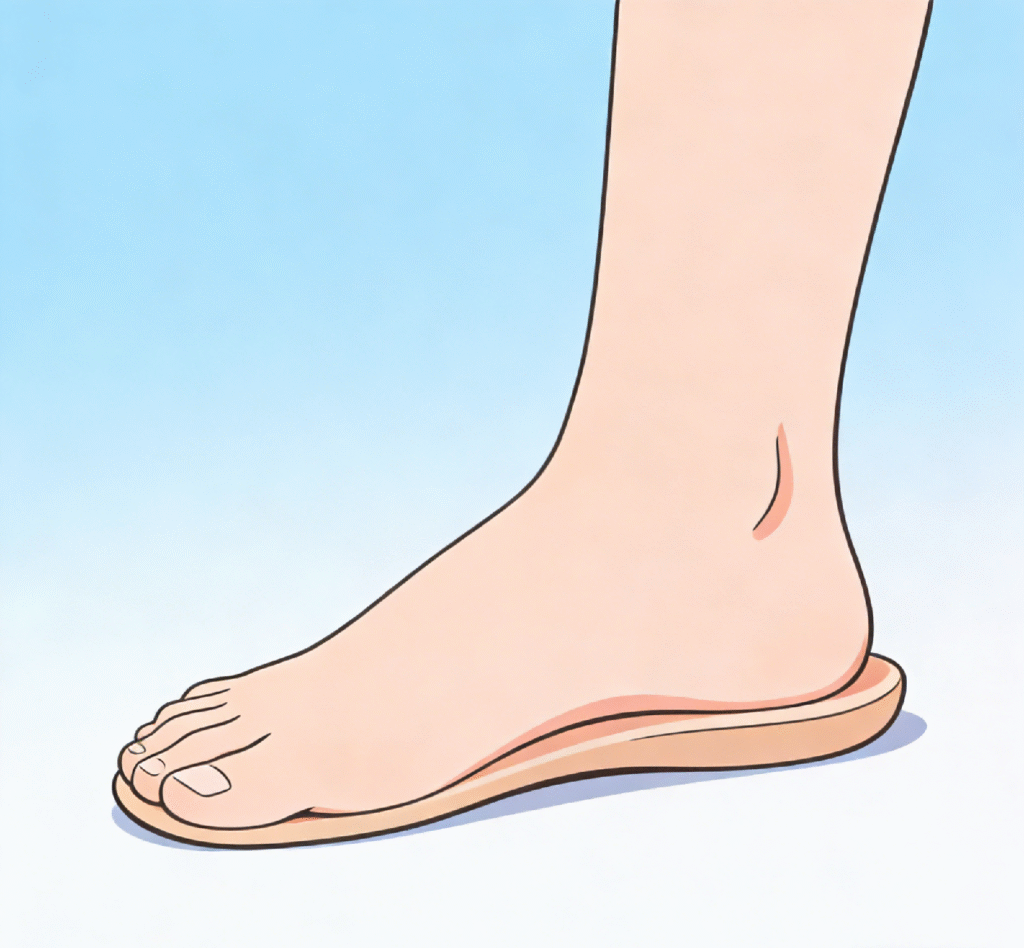
Orthotic devices can help support the arch and relieve discomfort associated with flat feet. Common options include arch supports, orthopedic shoes, and orthopedic insoles. These products help distribute pressure across the foot and may improve comfort during daily activities.
However, results depend on the severity and type of flatfoot. Orthotic devices may help manage symptoms, but they do not permanently correct every structural deformity. A healthcare professional can recommend a suitable option based on an individual’s foot structure and symptoms.
2. Stretching Exercises
Stretching exercises can help improve flexibility in the Achilles tendon and surrounding muscles. For people with tight calf muscles, regular stretching may reduce tension and ease some symptoms associated with flat feet.
Consistency is important because improvements often take time. Nevertheless, stretching alone may not address every cause of flatfoot. Combining exercises with professional guidance and suitable footwear may provide better support for foot function.
3. Surgical Treatment
Doctors generally consider non-surgical treatments first. However, surgery may be appropriate when severe pain, structural abnormalities, or functional limitations persist despite conservative care.
The procedure depends on the underlying cause. For example, a surgeon may correct bone alignment or repair affected tendons and connective tissues. Although surgery can help relieve pain and improve function in selected cases, it also carries risks. Some patients may experience reduced foot flexibility or changes in movement after the procedure.
Daily Care and Footwear Recommendations
Managing flat feet often requires a consistent approach. Regular exercises, appropriate footwear, and suitable orthotic support can help improve comfort and daily function. However, the best approach depends on the individual’s symptoms and foot structure.
Avoid footwear that causes discomfort or fails to provide adequate support. Shoes with appropriate arch support or professionally recommended corrective insoles may help distribute pressure more evenly. If symptoms persist or worsen, consult a qualified healthcare professional for an assessment and an individualized treatment plan.