Wholesale High-Quality Insoles: A Strategic Solution for Footwear Brands
As consumers place increasing importance on comfort, performance, and foot health, shoe inserts (insoles) have evolved from simple footwear accessories into essential components of modern shoe design. Whether you are a sports footwear brand, work shoe manufacturer, e-commerce seller, or healthcare product distributor, functional insoles are now a key product category that enhances comfort, support, and overall wearing experience.
For footwear businesses, high-quality insoles not only improve user experience but also increase product value, strengthen customer satisfaction, and help brands differentiate themselves in a highly competitive market. Choosing a reliable insole manufacturer and wholesale supplier has therefore become a critical strategy for long-term business growth.
Why Foot Health Is Becoming Increasingly Important
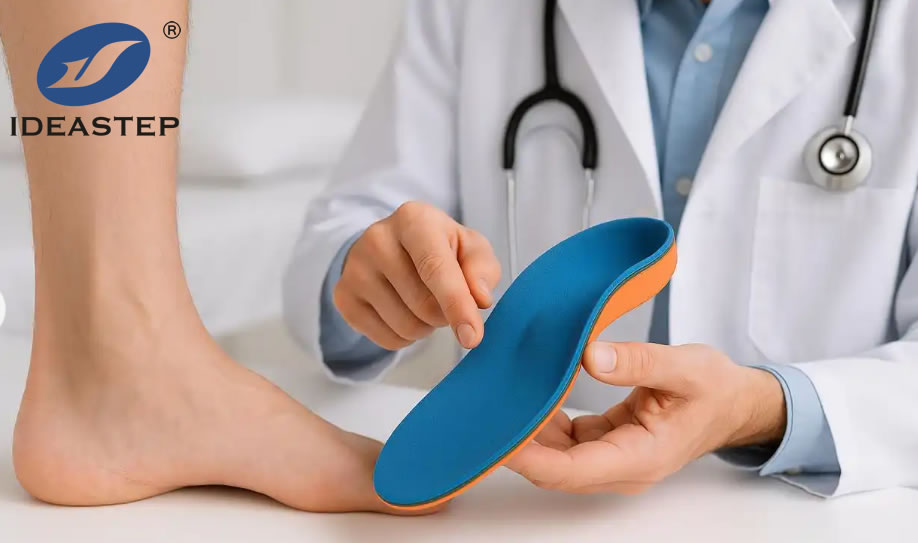
Human feet carry the entire body weight every day and endure continuous pressure during walking, running, and standing. Wearing poorly supported shoes for long periods may lead to fatigue, heel pain, arch discomfort, and even secondary issues in knees and lower back.
Today’s consumers are increasingly focused on:
- Comfort during long hours of standing
- Cushioning and shock absorption during sports activities
- Arch support and gait improvement
- Reducing plantar pressure and fatigue
- Breathability and hygiene inside shoes
This growing awareness has driven continuous demand growth in the insole industry, creating new opportunities for brands and wholesalers.
How Functional Insoles Improve Wearing Experience
Cushioning and Shock Absorption
High-performance insoles help absorb impact forces during walking and running, reducing pressure on heels and forefoot while improving overall comfort.
Arch Support
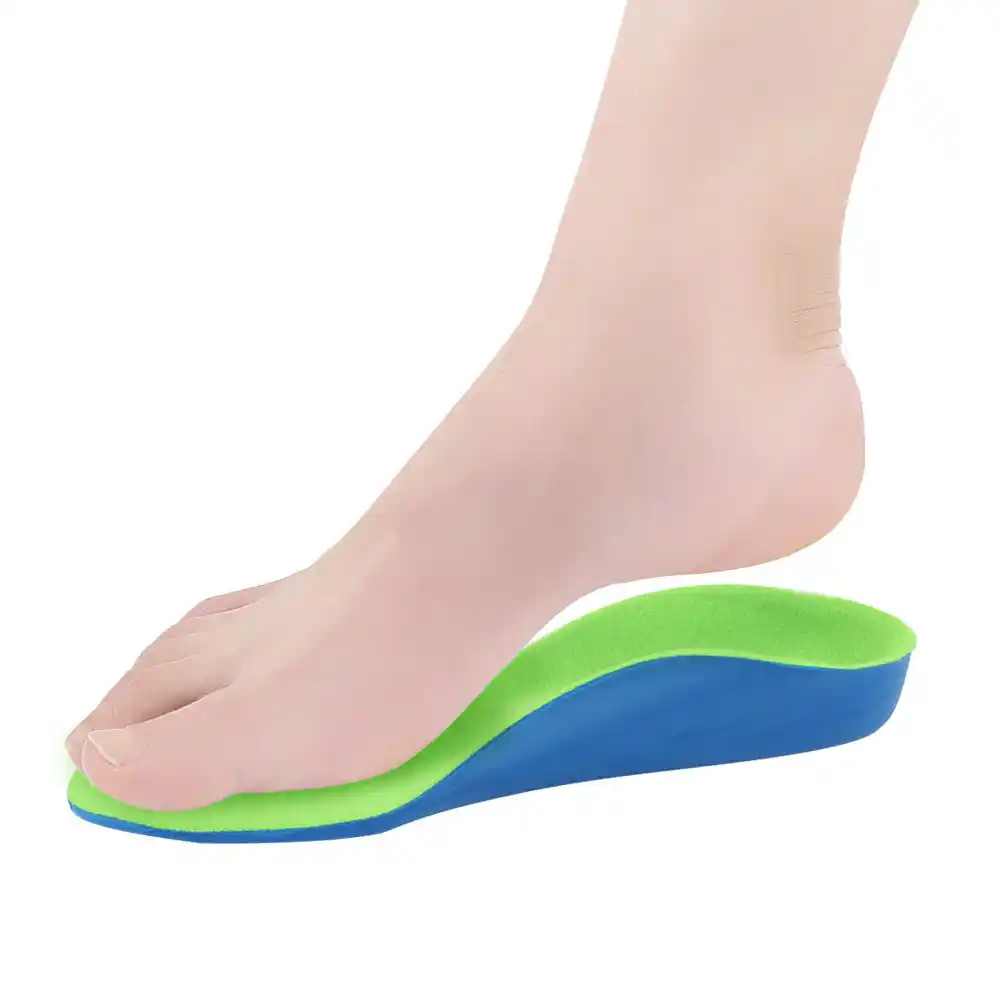
Proper arch support helps distribute pressure evenly across the foot, improving stability and reducing discomfort caused by flat feet or collapsed arches.
Gait Improvement
Ergonomically designed insoles can help guide natural walking posture, reducing stress on ankles, knees, and lower back.
Breathability and Hygiene
Insoles made with breathable and antibacterial materials help reduce moisture buildup, keeping shoes dry and fresh throughout the day.
How Different Materials Affect Insole Performance
EVA Insoles
- Lightweight and cost-effective
- Good cushioning performance
- Widely used in sports and casual footwear
EVA is one of the most commonly used materials in mass production projects due to its balance of performance and cost efficiency.
PU Insoles
- Excellent resilience and durability
- Stable long-term support
- Suitable for mid-to-high-end footwear
PU materials are often preferred for work shoes and premium footwear due to their long lifespan and consistent performance.
Memory Foam Insoles
- Soft and highly comfortable
- Pressure-adaptive cushioning
- Improves foot fit experience
Memory foam insoles are increasingly popular in e-commerce and comfort-focused footwear markets.
Gel Insoles
- Excellent shock absorption
- Ideal for high-impact activities
- Common in running and work shoes
Gel insoles are widely used in sports and occupational footwear where impact protection is essential.
Which Industries Need Functional Insoles the Most?
Sports Footwear Brands
Athletes and sports users demand cushioning, responsiveness, and performance enhancement. High-quality insoles help brands improve product competitiveness and user experience.
Workwear and Safety Shoe Manufacturers
Workers in construction, logistics, and manufacturing often stand for long hours. Functional insoles reduce fatigue and improve daily comfort.
Healthcare and Wellness Industry
Insoles are widely used as supportive foot care products that help improve pressure distribution and overall walking comfort.
E-commerce Sellers and Cross-border Brands
Insoles are lightweight, low-shipping-cost, and high-demand products, making them ideal for online sellers and private label businesses.
Key Advantages of Wholesale Insole Supply
Consistent Product Quality
Professional manufacturers implement strict quality control systems, ensuring consistency from raw materials to finished products.
Competitive Cost Structure
Bulk purchasing significantly reduces unit cost, improving profit margins for brands and distributors.
Fast Production and Delivery
Efficient supply chain systems ensure timely delivery and better market responsiveness.
Product Innovation Support
Experienced manufacturers can develop new materials and structures to help brands stay competitive in evolving markets.
OEM & ODM Insole Customization Services
As market competition increases, customization has become a key strategy for brand differentiation. Professional insole manufacturers typically offer:
- Logo printing and branding
- Private label packaging
- Custom color and material options
- Hardness and density adjustment
- Arch structure optimization
- Custom mold development
Through OEM and ODM cooperation, businesses can launch customized product lines efficiently while maintaining cost control and brand identity.
How to Choose a Reliable Insole Supplier
- Manufacturing experience and industry expertise
- Strong R&D and product development capability
- Strict quality control systems and certifications
- OEM/ODM customization capability
- Stable production capacity and on-time delivery
Market Outlook for Functional Insoles
The global demand for comfort and health-focused footwear products continues to grow. Key trends include:
- Rising demand for foot health products
- Expansion of sports and outdoor markets
- Increasing demand for customized insoles
- Growing adoption of eco-friendly materials
- Rapid growth of private label brands
Functional insoles are no longer just accessories—they are essential value-added components in modern footwear products.
Frequently Asked Questions (FAQ)
Which types of shoes are suitable for functional insoles?
Functional insoles are widely used in sports shoes, casual shoes, work shoes, safety shoes, outdoor footwear, and some healthcare-related products.
Which insole material lasts the longest?
PU insoles generally offer the longest lifespan and stable performance, making them ideal for long-term use.
How long does OEM insole production take?
Sample development usually takes 7–15 days, while mass production typically requires 20–35 days depending on complexity.
Do you support custom packaging?
Yes, professional manufacturers typically offer logo printing, retail packaging, private labeling, and custom box design services.
Are insoles suitable for e-commerce businesses?
Yes, insoles are lightweight, cost-efficient, and highly repeat-purchase products, making them ideal for e-commerce and dropshipping models.
Conclusion
As consumer demand for comfort, performance, and foot health continues to rise, functional insoles have become one of the fastest-growing segments in the footwear industry. For brands, wholesalers, and retailers, partnering with an experienced insole manufacturer not only ensures stable product supply but also enables the development of competitive product lines through OEM and ODM customization.
Whether your focus is sports shoes, casual footwear, work shoes, or healthcare products, high-quality insoles can significantly enhance product value and help your brand gain stronger recognition in the global market.