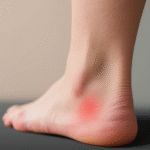
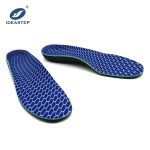
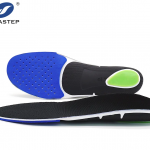
Heat moldable orthotics are widely used in the orthotic industry, particularly in product lines that require adjustable shell structures and controlled forming processes. Made with heat-responsive materials, these orthotic insoles can be shaped under specified conditions and retain their formed contours after cooling.
For orthotic wholesalers, distributors, foot care product suppliers, and orthopedic manufacturers, product quality depends on more than the choice of thermoplastic material. Shell thickness, hardness, arch geometry, forming conditions, and material compatibility all influence the final construction.
When sourcing heat moldable orthotics for wholesale distribution, buyers need to understand these factors before confirming product specifications or placing bulk orders. This article covers the main material options, manufacturing considerations, structural features, and OEM/ODM opportunities in this product category.
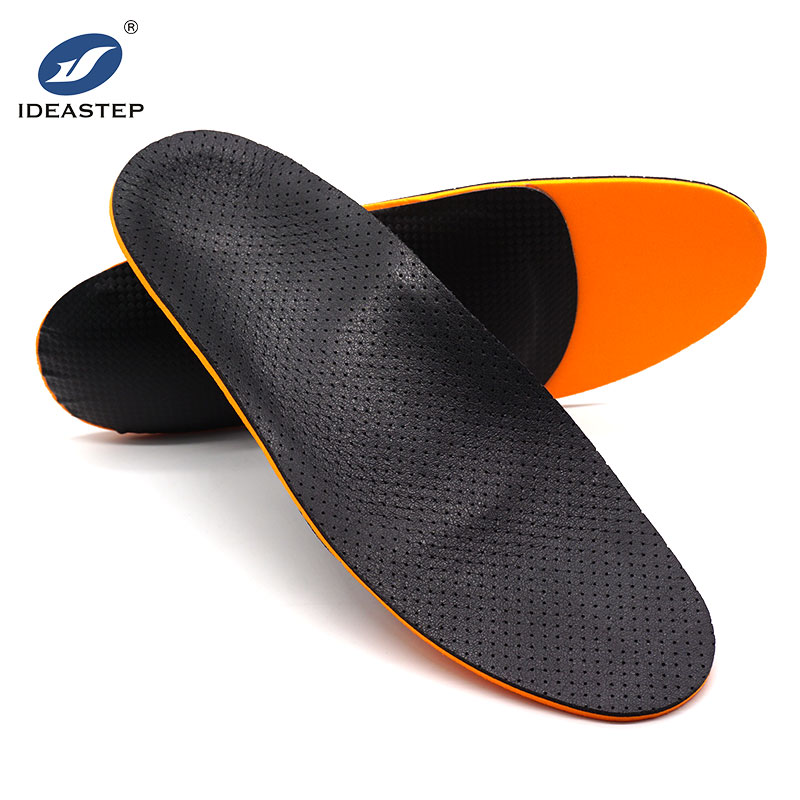
1. What Are Heat Moldable Orthotics?
Heat moldable orthotics are orthotic insoles or structural components made from materials that become formable when exposed to a specified temperature. After heating, the material can be shaped using suitable molds, foot models, or forming equipment. Once cooled, it retains much of the newly formed shape.
Unlike conventional prefabricated orthotics, which are manufactured with a fixed geometry, heat moldable designs allow adjustments during the forming process. This makes them suitable for orthotic product programs that require a degree of customization.
Most designs consist of a thermoplastic shell combined with other materials, such as EVA cushioning and fabric top covers. The shell provides the primary moldable structure, while the additional layers contribute to the finished product’s thickness, surface characteristics, and cushioning properties.
Heat moldable orthotics are commonly supplied to:
- Orthotic and orthopedic device manufacturers
- Professional foot care clinics and orthotic service providers
- Foot care product wholesalers and distributors
- Footwear manufacturers and private-label brands
- OEM and ODM orthotic product companies
2. How Does the Heat Molding Process Work?
The heat molding process generally involves three stages: heating, shaping, and cooling. Each stage requires proper control to achieve consistent results, particularly in batch production.
Heating
The thermoplastic shell is heated using suitable equipment until it reaches the forming condition specified for the material. Temperature and heating time depend on the polymer type, thickness, and product construction.
Different thermoplastic materials respond differently to heat. Manufacturers should establish processing parameters through material specifications and production testing rather than applying one temperature to every product.
Shaping
Once the shell becomes sufficiently workable, it is shaped using the designated mold, foot model, or forming tool. Shell thickness, hardness, and geometry all affect how the material responds during this stage.
For manufacturers, maintaining consistent forming conditions is essential. Uneven heating or excessive deformation can affect shell geometry and lead to differences between finished products.
Cooling and Shape Retention
After shaping, the shell is allowed to cool under the recommended conditions. The material then stabilizes and retains its formed contour.
Cooling conditions, material formulation, and shell thickness can influence the final result. For wholesale production, these factors should be included in process specifications and quality checks to maintain consistency across batches.
3. Common Materials Used in Heat Moldable Orthotics
Material selection directly affects the forming characteristics and structural properties of heat moldable orthotics. PP, TPU, and EVA are commonly used in orthotic manufacturing, although their roles and processing requirements differ.
Polypropylene (PP)
Polypropylene is a common material for thermoplastic orthotic shells. It offers a combination of rigidity, relatively low weight, and heat-forming capability, making it suitable for shell structures that require controlled shaping.
Its thickness and material grade influence flexibility and resistance to deformation. Thinner PP shells generally offer greater flexibility, while thicker constructions provide more rigidity. The final characteristics also depend on shell geometry and processing conditions.
Thermoplastic Polyurethane (TPU)
TPU is available in different grades, with variations in hardness, elasticity, flexibility, and mechanical properties. It can be used in selected orthotic components where these characteristics match the product design.
However, not all TPU grades have the same thermal response. Buyers developing heat moldable orthotics should confirm the material’s processing specifications before selecting it for a particular shell or structural component.
Ethylene-Vinyl Acetate (EVA)
EVA is widely used in orthotic insoles because of its lightweight foam structure and adjustable density and hardness. It is commonly incorporated into cushioning layers and supporting sections.
In multi-layer heat moldable orthotics, EVA can be combined with a thermoplastic shell to create different product constructions. However, conventional EVA foam does not automatically have the same heat-forming properties as a thermoplastic shell. Its suitability depends on the specific formulation and manufacturing process.
Multi-Layer Material Construction
Combining different materials allows manufacturers to develop orthotic insoles with specific structural and surface characteristics. A typical construction may include:
- PP shell: Provides the primary moldable structure.
- EVA foam: Adds cushioning and adjusts the overall construction.
- Fabric top cover: Provides a finished surface and influences surface characteristics.
- Additional components: May include reinforcement elements or other structural features based on the product design.
For OEM and ODM projects, material combinations can be adjusted according to the required specifications, forming process, and target market.
4. Important Structural Features of Heat Moldable Orthotics
Material quality is only one part of orthotic insole manufacturing. Shell geometry, thickness, hardness, and component placement also determine the finished product’s structural characteristics.
Arch Profile
The arch profile is a key design feature in orthotic shell construction. Its height, length, contour, and transition areas need to follow the product’s technical specifications. During heat forming, the shell should maintain the intended structural characteristics without unwanted distortion.
Deep Heel Cup
A deep heel cup provides a defined heel seating structure within the orthotic shell. Its depth, width, and wall geometry affect the overall design and should be coordinated with the arch profile and intended footwear dimensions.
Shell Thickness and Hardness
Shell thickness and hardness influence forming behavior, flexibility, and structural rigidity. These specifications should be selected together rather than treated as independent factors.
For wholesale buyers, reviewing product samples and technical specifications provides a more reliable basis for comparison than relying on material names alone.
Top Cover and Cushioning
Top covers and cushioning layers complete the insole construction. Common options include fabric, EVA foam, and other materials selected according to the product specification.
Material compatibility is particularly important in heat moldable designs. Adhesives, foam layers, and surface materials must be able to withstand the specified processing conditions without unwanted deformation or bonding problems.
5. Heat Moldable Orthotics vs. Traditional Prefabricated Orthotics
Heat moldable orthotics and traditional prefabricated orthotics differ mainly in their construction and adjustment methods. The choice between them depends on the intended manufacturing process and product requirements.
| Comparison | Heat Moldable Orthotics | Traditional Prefabricated Orthotics |
|---|---|---|
| Product geometry | Designed for controlled heat forming | Manufactured with a predetermined shape |
| Adjustment process | Uses specified heating and forming procedures | Usually retains its original manufactured geometry |
| Material selection | Requires suitable heat-responsive components | Supports a wider range of conventional materials |
| Production control | Requires control of temperature, forming, and cooling | Focuses on dimensional and finished-product consistency |
| Product development | Requires testing of forming behavior and shape retention | Focuses on predefined geometry and material specifications |
For distributors and orthotic product suppliers, both categories can serve different market requirements. Heat moldable designs are particularly relevant to product lines that specify a controlled forming process, while conventional prefabricated models offer more fixed product configurations.
6. What Should Wholesale Buyers Look for in a Heat Moldable Orthotic Supplier?
When sourcing heat moldable orthotics, unit price should not be the only consideration. Material consistency, manufacturing experience, sample quality, and production capacity all affect the reliability of a wholesale supply relationship.
Material Specifications and Documentation
Request detailed material information, including polymer grade, thickness, hardness, and recommended forming conditions. Technical data sheets and relevant supporting documentation can help buyers evaluate whether the material matches the product requirements.
For repeat orders, material identification and batch records are also important. They help manufacturers maintain consistent specifications and trace production materials when necessary.
Sample Evaluation and Forming Tests
Before confirming bulk production, buyers should evaluate samples using the intended heating equipment and forming procedure. Key inspection points include:
- Consistency of shell thickness and hardness
- Response to the specified heating conditions
- Shape retention after cooling
- Dimensional accuracy and structural integrity
- Bonding between the shell and other insole layers
These checks help identify potential material or construction issues before they affect a larger order.
Production Capacity and Customization
A capable orthotic insole manufacturer should be able to explain its production process and available customization options. Depending on the project, these may include:
- Custom shell thickness and hardness
- Different arch profiles and heel cup structures
- Material and color combinations
- Custom dimensions and size ranges
- Top cover and cushioning options
- Private labeling and customized packaging
For distributors managing multiple product lines, the ability to maintain agreed specifications across repeat orders is particularly important.
Quality Control and Order Management
Quality control should cover incoming materials, production processes, finished product dimensions, appearance, and packaging. For heat moldable orthotics, manufacturers should also establish appropriate checks for forming performance and component compatibility.
Before placing an order, wholesale buyers should confirm MOQ, sample arrangements, production lead times, packaging requirements, and inspection standards. Clear communication at the beginning of a project helps avoid specification changes and production delays.
7. OEM and ODM Services for Heat Moldable Orthotics
OEM and ODM manufacturing provide orthotic brands, wholesalers, and distributors with options for developing products under their own specifications and branding.
For heat moldable orthotics, customization can involve the shell, material combination, overall construction, and finished packaging.
OEM Manufacturing
OEM production follows the buyer’s existing designs, drawings, samples, or technical specifications. The manufacturer is responsible for producing the agreed product according to the confirmed requirements.
This model is suitable for established brands and distributors that already have a defined product design and need a manufacturing partner for bulk supply.
ODM Product Development
ODM projects involve cooperation between the buyer and manufacturer during product development. The manufacturer can contribute to material selection, shell geometry, component combinations, and production planning based on the project requirements.
Before mass production, both parties should confirm samples, material specifications, forming procedures, and product acceptance criteria. These details establish a consistent reference for future orders.
Private Labeling and Packaging
Private-label services allow distributors and brands to sell orthotic products under their own business identity. Depending on the order, customization may include product logos, labels, packaging artwork, and carton specifications.
Consistent product specifications and packaging help distributors manage their product lines and maintain a clear brand presentation across different markets.

8. Ideastep: Orthotic Insole Manufacturing and Wholesale Cooperation
Choosing a heat moldable orthotic supplier requires an understanding of both product construction and manufacturing capabilities. Experience in material processing, product development, and production management can make a difference when handling customized orders.
Ideastep, operated by XIAMEN KON TECHNOLOGY CO., LTD., has been involved in the foot care and shoe materials industry since 1989. The company focuses on orthotic insoles, orthopedic support products, and related materials for wholesale buyers and business partners.
Its manufacturing and development capabilities cover orthotic insole production, material processing, custom product development, and OEM/ODM cooperation. Depending on project requirements, buyers can discuss shell structures, material combinations, product dimensions, branding, and packaging.
Ideastep works with wholesalers, distributors, foot care product companies, and footwear manufacturers seeking a manufacturing partner for ongoing product supply or customized development.
For new projects, providing product drawings, reference samples, target specifications, and estimated order quantities helps the team evaluate the requirements and discuss a suitable production plan.
9. Frequently Asked Questions About Heat Moldable Orthotics
What materials are commonly used in heat moldable orthotics?
PP is commonly used for moldable orthotic shells. Depending on the product design, EVA cushioning layers, fabric covers, and selected TPU components may also be incorporated. Material selection depends on the required structure and thermal properties.
What temperature is required for heat molding orthotics?
The required temperature varies according to the material grade, shell thickness, product construction, and heating equipment. Manufacturers should follow the material supplier’s technical specifications and verify the forming conditions through testing.
Can heat moldable orthotics be customized for wholesale orders?
Yes. Customization options may include shell thickness, hardness, arch profile, heel cup geometry, material combinations, size ranges, top covers, logos, and packaging. The available options depend on the manufacturer’s production capabilities and MOQ requirements.
What is the difference between a heat moldable shell and a fully moldable insole?
A heat moldable shell is the thermoplastic structural component designed for controlled heating and shaping. A fully moldable insole may include additional layers and components that form part of the overall construction. Buyers should confirm which components are intended to undergo the heating process.
How can wholesale buyers assess a heat moldable orthotic manufacturer?
Evaluate the manufacturer’s material documentation, production experience, sample quality, customization capabilities, quality control procedures, MOQ, and delivery arrangements. A forming test based on the intended processing method is also recommended before bulk production.
Does Ideastep provide OEM and ODM orthotic insole manufacturing?
Yes. Ideastep supports OEM and ODM cooperation for orthotic insole projects. Buyers can discuss material selection, structural requirements, dimensions, branding, and packaging with the team to establish suitable production specifications.
Conclusion
Heat moldable orthotics require careful coordination between material selection, shell design, forming conditions, and production quality. For manufacturers and wholesale suppliers, these factors determine whether a product can meet its specified construction and maintain consistency across production batches.
When sourcing heat moldable orthotics, buyers should focus on material documentation, sample testing, manufacturing capabilities, and clear quality standards. A supplier with experience in orthotic insole production and custom manufacturing can also support product development and long-term wholesale cooperation.
Ideastep provides orthotic insole manufacturing and OEM/ODM services for wholesalers, distributors, and footwear businesses. If you are developing a heat moldable orthotic product line or looking for a reliable wholesale supplier, contact our team to discuss your product specifications and cooperation requirements.
Related product links: https://www.aideastep.com/product/heatmoldable-insole/.