Heel impact management is an important part of footwear development. During walking, running, and long periods of standing, the heel area absorbs repeated pressure, which makes cushioning components essential for improving footwear performance.
Heel cushion inserts are widely used in sports shoes, casual footwear, work shoes, and comfort footwear to provide additional shock absorption and heel support.
For footwear brands, wholesalers, and distributors, working with an experienced heel cushion inserts manufacturer allows them to develop products with customized materials, structures, and branding options for different market requirements.
What Are Heel Cushion Inserts?
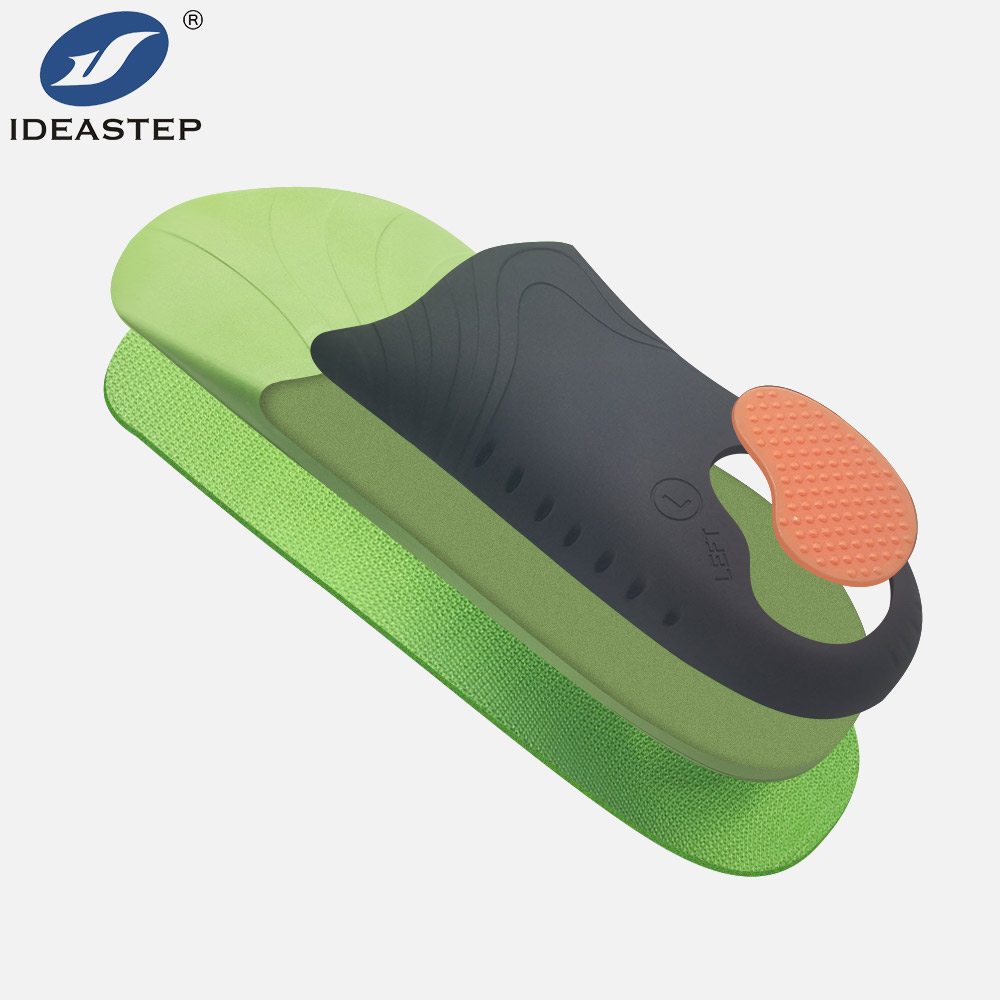
Heel cushion inserts are footwear components designed to improve cushioning and support in the heel area. They can be produced as independent heel pads or integrated into full-length insoles depending on footwear design requirements.
In footwear manufacturing, heel cushion inserts are developed based on factors such as shoe category, cushioning requirements, material performance, and target market positioning.
Common materials used for heel cushion inserts include:
- EVA foam
- PU foam
- Memory foam
- Gel cushioning materials
- Silicone components
- TPU support structures
Different materials provide different performance characteristics. For example, EVA is widely used for lightweight cushioning and easy processing, while PU and memory foam are often selected for softer cushioning and pressure distribution.
Key Benefits of Heel Cushion Inserts
Shock Absorption Performance
The heel area experiences significant impact during movement. A properly designed cushioning structure helps absorb external forces and improves the overall performance of footwear.
For running shoes, walking shoes, and work footwear, heel cushion inserts can be developed with different foam densities and structures to meet specific impact absorption requirements.
Heel Support and Stability
Besides cushioning, heel inserts also help improve rearfoot stability.
Manufacturers can adjust the shape, thickness, and material hardness of heel cushion inserts to create different support levels for various footwear applications.
Common applications include:
- Athletic footwear
- Walking shoes
- Safety footwear
- Comfort footwear
- Orthotic footwear
Lightweight Material Options
Modern footwear design requires lightweight components without sacrificing performance.
Materials such as EVA foam and lightweight PU foam are commonly selected for heel cushion inserts because they offer:
- Low weight
- Elastic recovery
- Flexible processing
- Reliable cushioning performance
This allows footwear brands to balance product performance, manufacturing efficiency, and market requirements.
Flexible Structure Development
One key advantage of working with a professional heel cushion inserts manufacturer is the ability to customize product structures according to footwear requirements.
Customization options may include:
- Material combinations
- Hardness and density adjustment
- Heel thickness
- Shape design
- Surface fabric
- Support components
Different footwear categories require different cushioning solutions. Running shoes may prioritize lightweight shock absorption, while work footwear may require stronger support and durability.
Applications of Heel Cushion Inserts
Sports Footwear
Heel cushion inserts are commonly used in running shoes, training shoes, and athletic footwear where impact absorption is important.
Manufacturers can adjust material density and structure according to different sports performance requirements.
Casual and Lifestyle Shoes
For sneakers and everyday footwear, heel cushioning helps improve product value and wearing comfort.
Customized heel inserts allow brands to create differentiated footwear designs with enhanced cushioning features.
Work and Safety Footwear
Safety footwear often requires durable cushioning solutions for long working hours.
By adjusting foam density, support structures, and material combinations, manufacturers can develop heel cushion inserts suitable for industrial and occupational footwear.
Orthotic and Comfort Footwear
Heel cushioning is also an important part of functional footwear design.
By combining heel inserts with arch support structures, ergonomic footbeds, or other components, manufacturers can create more complete foot support solutions.
Materials Used in Heel Cushion Inserts
Material selection plays an important role in determining the performance of heel cushioning products.
EVA Foam
EVA is one of the most commonly used materials in footwear components due to its lightweight properties, elasticity, and processing flexibility.
It is suitable for applications requiring balanced cushioning, durability, and cost efficiency.
PU and Memory Foam
PU foam and memory foam provide softer cushioning characteristics and are often used when improved pressure distribution is required.
They are commonly used in comfort footwear and applications where softer cushioning performance is preferred.
TPU and Support Components
TPU components can be added to improve structural support and stability.
For specific footwear projects, manufacturers can combine different materials to achieve the desired balance between cushioning and support.
Manufacturing Process of Heel Cushion Inserts
A professional manufacturer should provide consistent production quality from material selection to finished product inspection.
Material Selection
Materials are selected based on:
- Cushioning requirements
- Density specifications
- Hardness range
- Durability expectations
- Footwear application
Proper material selection ensures the final product meets performance requirements.
Product Design and Sampling
Before mass production, manufacturers develop samples according to customer requirements.
The development process may include:
- Product structure design
- Material recommendation
- Prototype production
- Sample evaluation
- Design adjustment
Cutting, Molding, and Assembly
Depending on the material and product design, heel cushion inserts can be produced through:
- Foam cutting
- Compression molding
- Die cutting
- Layer bonding
Professional manufacturing processes help maintain product consistency and dimensional accuracy.
Quality Control
Quality inspection is essential for OEM and wholesale projects.
Manufacturers should evaluate:
- Product dimensions
- Material consistency
- Bonding strength
- Compression performance
- Appearance quality
Strict quality control helps ensure stable product performance during large-scale production.
Custom OEM Heel Cushion Inserts for Footwear Brands
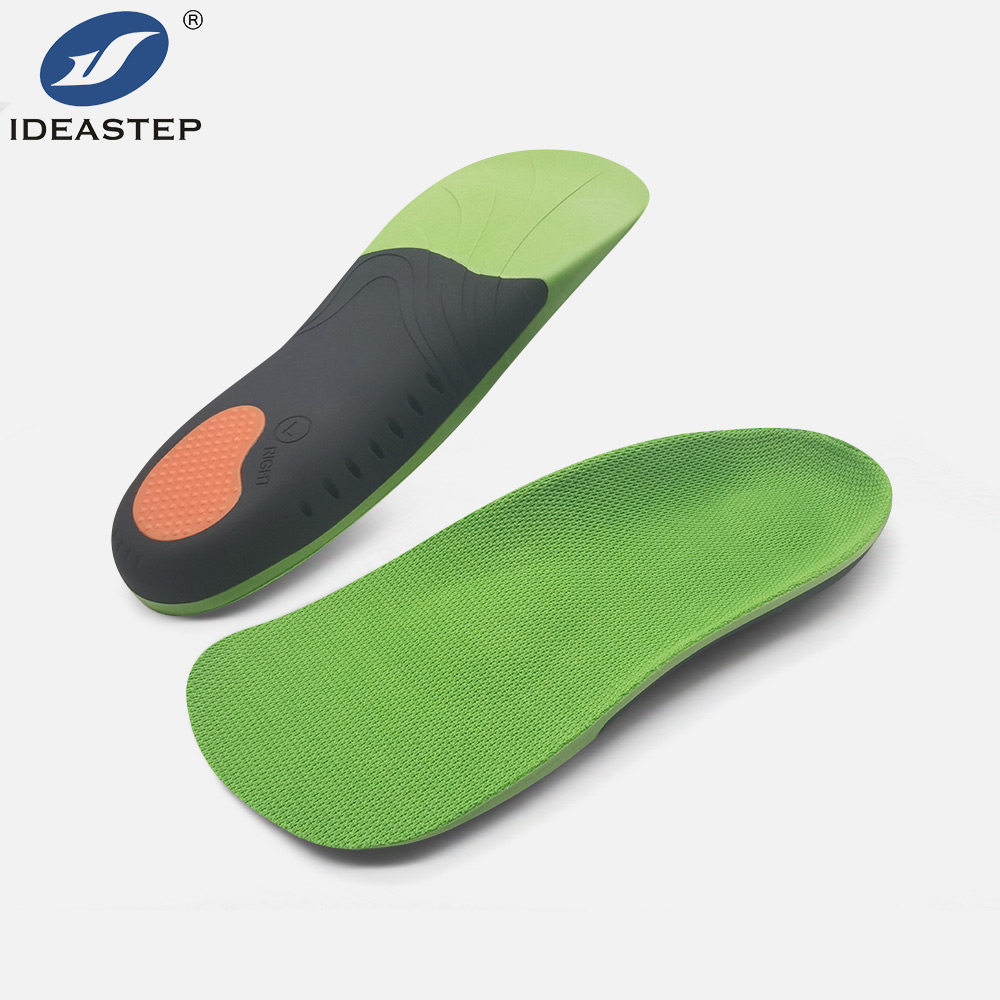
For footwear companies, standard heel inserts may not always match specific product requirements. Partnering with a reliable custom heel cushion inserts supplier provides more flexibility in product development.
OEM and ODM customization options may include:
| Customization Area | Options |
|---|---|
| Materials | EVA, PU, memory foam, gel, TPU |
| Structure | Heel pads, cushioning layers, support components |
| Design | Customized shapes and thickness |
| Surface | Fabric covers, anti-slip layers |
| Branding | Logo printing and private labeling |
| Packaging | Customized packaging solutions |
A complete OEM process usually includes requirement analysis, material recommendation, prototype sampling, product testing, and bulk production.
How to Choose a Reliable Heel Cushion Inserts Manufacturer?
Choosing the right manufacturing partner is important for product quality and long-term cooperation.
When evaluating a supplier, footwear brands should consider:
Manufacturing Experience
An experienced manufacturer should understand different footwear applications and provide suitable material and structural recommendations.
Production Capability
Reliable suppliers should have the ability to support:
- Prototype development
- Sample production
- Large-scale manufacturing
- Quality consistency
Custom Development Support
A capable OEM partner should help optimize product design, select suitable materials, and provide solutions based on specific market needs.
Partner with an Experienced Heel Cushion Inserts Manufacturer
Finding the right heel cushioning solution requires a balance of material performance, structural design, and manufacturing capability. As an experienced footwear component manufacturer, Ideastep provides customized heel cushion inserts for footwear brands, wholesalers, and distributors worldwide.
From material selection and product development to sampling and bulk production, we support flexible OEM and ODM projects with solutions tailored to different footwear applications.
Contact us today to discuss your heel cushion inserts requirements and develop a reliable footwear cushioning solution for your business.
Related product links: https://www.aideastep.com/product/ideastep-jh-20922-metatarsal-support-insoles-heel-cushion-arch-support/.