Running orthotics have moved beyond basic comfort accessories and are now widely used in performance footwear development, sports rehabilitation, and OEM running shoe projects. In modern athletic footwear systems, they are no longer treated as optional inserts but as functional biomechanical components that influence how the foot interacts with the ground.
For running shoe brands, orthopedic suppliers, and sports product developers, running orthotics provide a structured way to manage load distribution, improve gait efficiency, and reduce repetitive stress during high-volume training.
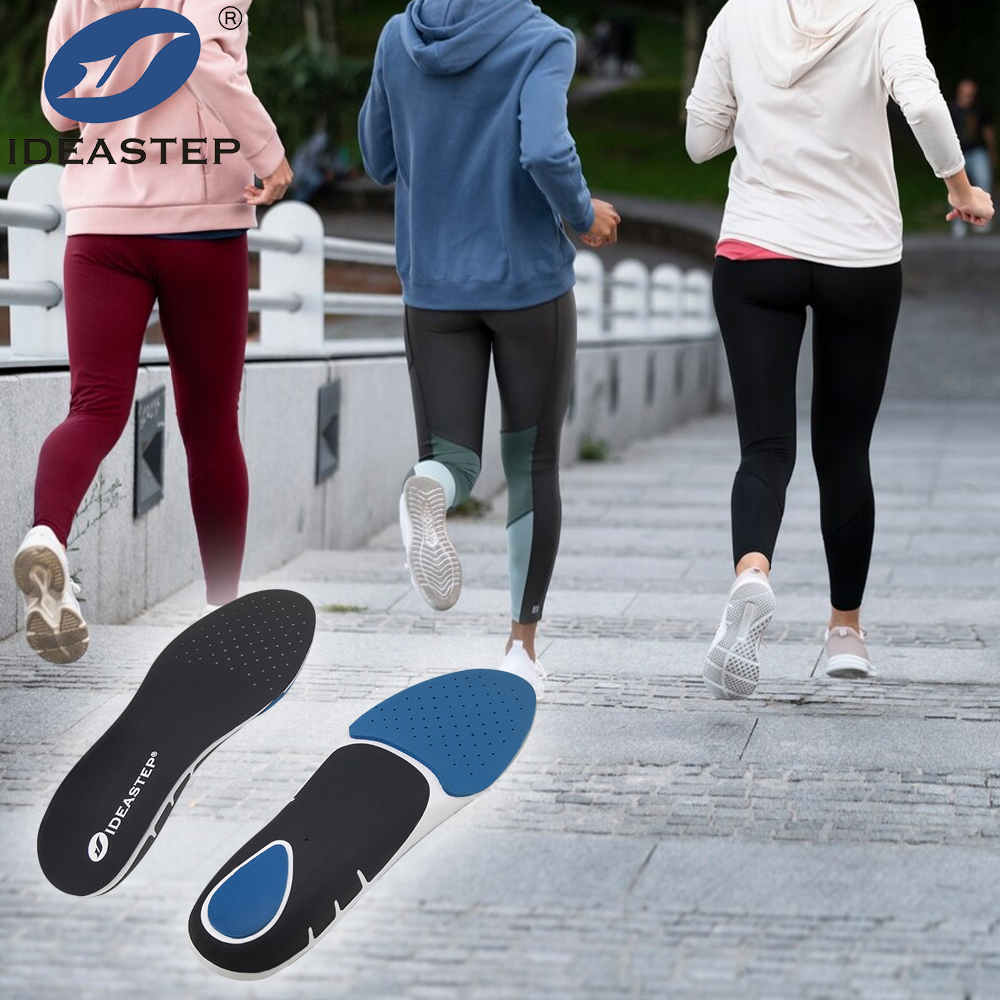
What Are Running Orthotics?
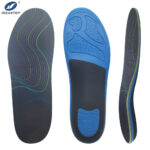
Running orthotics are engineered insoles designed to influence foot biomechanics during running. Unlike standard cushioning insoles that focus mainly on comfort, orthotics are built to provide controlled structural support throughout the gait cycle.
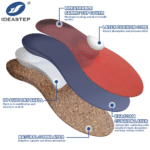
A typical running orthotic system combines multiple functional layers:
- Structural arch support (EVA, TPU, or reinforced composite materials)
- Shock-absorbing mid-layer for impact reduction
- Pressure-relief cushioning zones for localized comfort
- Moisture-wicking top cover for long-distance usability
In OEM manufacturing, design parameters such as arch height, stiffness grading, and torsional control are adjusted based on user groups including recreational runners, endurance athletes, and professional sports teams.
How Running Orthotics Reduce Injury Risk
Managing Repetitive Load Stress
Running generates repeated ground reaction forces with every step. Over time, these forces can lead to overuse injuries when not properly managed.
Running orthotics are designed to redistribute mechanical load across the foot structure, reducing excessive stress concentration in high-impact zones such as the heel and medial arch.
Supporting the Medial Arch Structure
One of the most common running-related issues is excessive strain on the plantar fascia. When the arch collapses during impact, soft tissue structures are placed under continuous tension.
By providing structured arch support, running orthotics help maintain a more stable foot position and reduce long-term tissue overload.
Controlling Excessive Pronation
Overpronation occurs when the foot rolls inward excessively during the stance phase. This movement pattern can affect lower-limb alignment and increase mechanical stress on the knees and ankles.
Running orthotics introduce controlled resistance in the midfoot region, helping guide the foot toward a more neutral alignment during motion.
Reducing Knee and Lower Limb Stress
Foot biomechanics directly influence the entire kinetic chain, including the ankles, knees, hips, and lower back.
When foot alignment is unstable, abnormal force transmission can occur during repetitive running cycles. Orthotics help stabilize the foundation, reducing compensatory stress on higher joints.
How Running Orthotics Improve Performance
Improving Running Efficiency
Running efficiency is closely related to how much energy is lost during each stride. Excessive foot motion or collapse increases energy waste.
By stabilizing the foot and controlling deformation during impact, running orthotics help improve stride consistency and reduce unnecessary energy loss, especially in long-distance running.
Enhancing Energy Transfer During Push-Off
During the propulsion phase, force generated by the lower limb must be efficiently transferred through the foot.
Structured orthotics improve this energy transfer by providing a more stable platform during toe-off, allowing better conversion of muscular force into forward motion.
Improving Motion Control and Stability
Stability is a critical factor in running performance, particularly on uneven terrain or during high-speed movement.
Running orthotics help reduce unwanted lateral or rotational foot movement, supporting more controlled and predictable gait mechanics.
Supporting Consistent Training Output
For athletes with high training volume, consistency is often more important than peak performance.
By reducing fatigue-related biomechanical breakdown, orthotics help maintain more stable movement patterns across long training sessions and repeated load cycles.
Types of Running Orthotics in Modern Production
EVA-Based Running Orthotics
EVA orthotics are widely used in entry-level and general running applications. They provide a balance between cushioning and moderate structural support.
TPU Structural Orthotics
TPU-based designs offer improved motion control and durability. They are commonly used in performance running footwear where stability is more important than softness.
Carbon Fiber Performance Orthotics
Carbon fiber orthotics are used in high-performance running systems due to their high stiffness-to-weight ratio and strong structural control. They are often integrated into competitive running footwear and elite training systems.
Custom 3D-Designed Orthotics
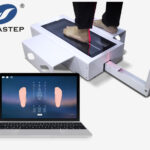
3D scanning and digital modeling allow fully customized orthotics based on individual foot geometry and gait patterns. These solutions are widely used in sports medicine and premium OEM projects.
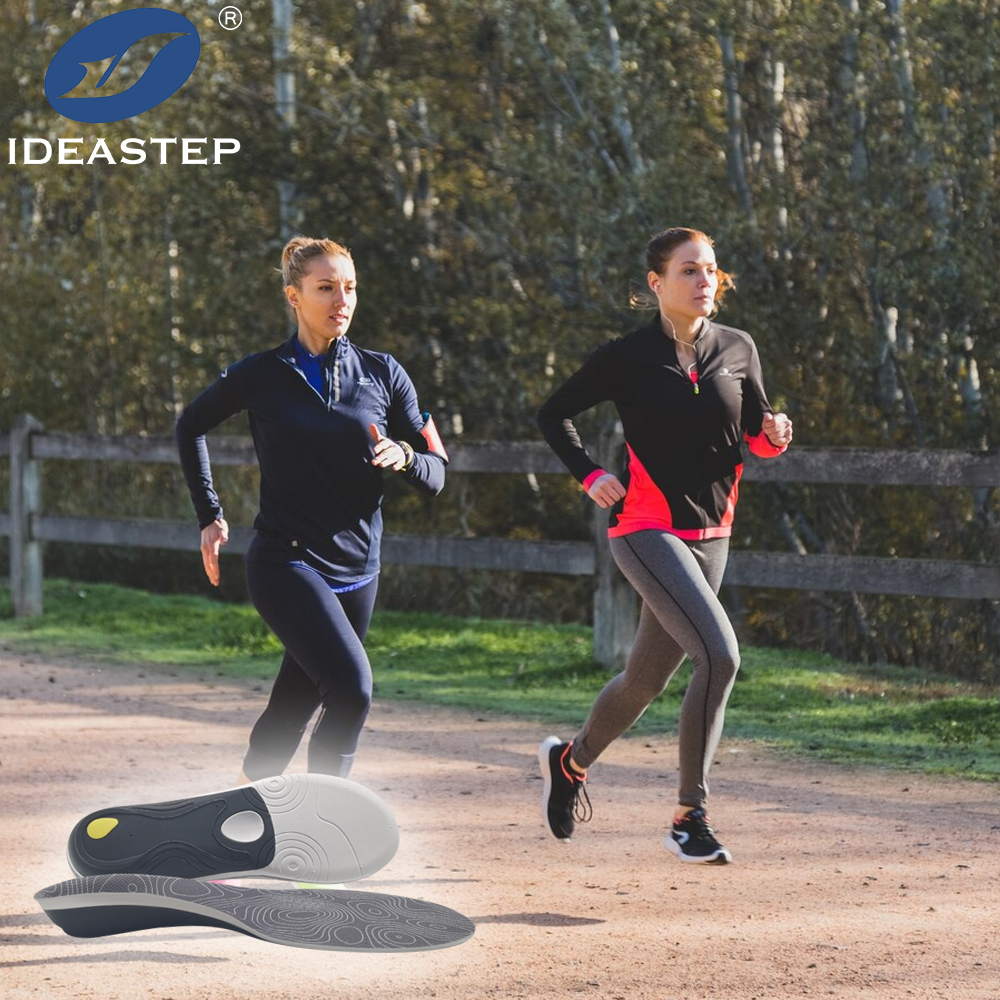
Who Benefits Most from Running Orthotics?
Long-Distance Runners
Marathon and endurance runners benefit from improved efficiency and reduced cumulative fatigue over long distances.
Trail and Terrain Runners
Uneven surfaces increase instability and demand better motion control and structural support.
Professional Athletes
Athletes under high training loads require consistent biomechanical support to maintain performance and reduce injury risk.
Recreational Runners
Casual runners often experience mild biomechanical imbalances such as overpronation, making orthotics a preventive support solution.
Running Orthotics vs Standard Running Insoles
Standard running insoles focus primarily on cushioning and comfort, while running orthotics are designed for biomechanical control and performance optimization.
- Structural support vs soft cushioning
- Biomechanical control vs passive comfort
- Injury risk reduction vs basic shock absorption
- OEM customization vs mass-market standard design
- Performance optimization vs general footwear comfort
OEM Perspective: Why Brands Invest in Running Orthotics
From a product development perspective, running orthotics are becoming an important component in performance footwear systems.
OEM manufacturers and brands typically evaluate orthotics based on:
- Consistency of arch stiffness across production batches
- Ability to design medial and lateral support zones
- Prototype development speed for different athlete profiles
- Compatibility with running shoe midsole systems
- Durability under simulated long-distance running tests
As performance footwear becomes more biomechanically driven, orthotic integration is increasingly part of core product development strategies.
Future Trends in Running Orthotics
The running orthotics industry continues to evolve through material innovation and digital manufacturing technologies.
- Integration of 3D foot scanning and motion analysis
- Increased use of composite and carbon fiber structures
- Data-driven biomechanical optimization in design
- Growth of OEM and private label performance insole programs
- Closer integration between footwear brands and orthotic manufacturers
Conclusion
Running orthotics are increasingly positioned as functional components of performance footwear rather than optional accessories. By improving foot stability, managing mechanical load, and optimizing energy transfer, they play an important role in both injury prevention and running efficiency.
For sports brands, orthopedic suppliers, and OEM manufacturers, running orthotics represent a growing product category driven by demand for biomechanically optimized footwear solutions. As the industry continues to shift toward performance engineering, orthotic integration is becoming a standard part of modern running shoe development.