Launching an orthotic insole brand in 2026 is not simply about creating a product line and building a website. In most cases, the real challenge is deciding how to position the product, how to control manufacturing quality, and how to build a supply chain that can actually support long-term growth.
From what we see in the orthotic insole manufacturing industry, many new brands underestimate production complexity and overestimate the role of marketing in the early stage.
1. Orthotic Insole Market Trends in 2026
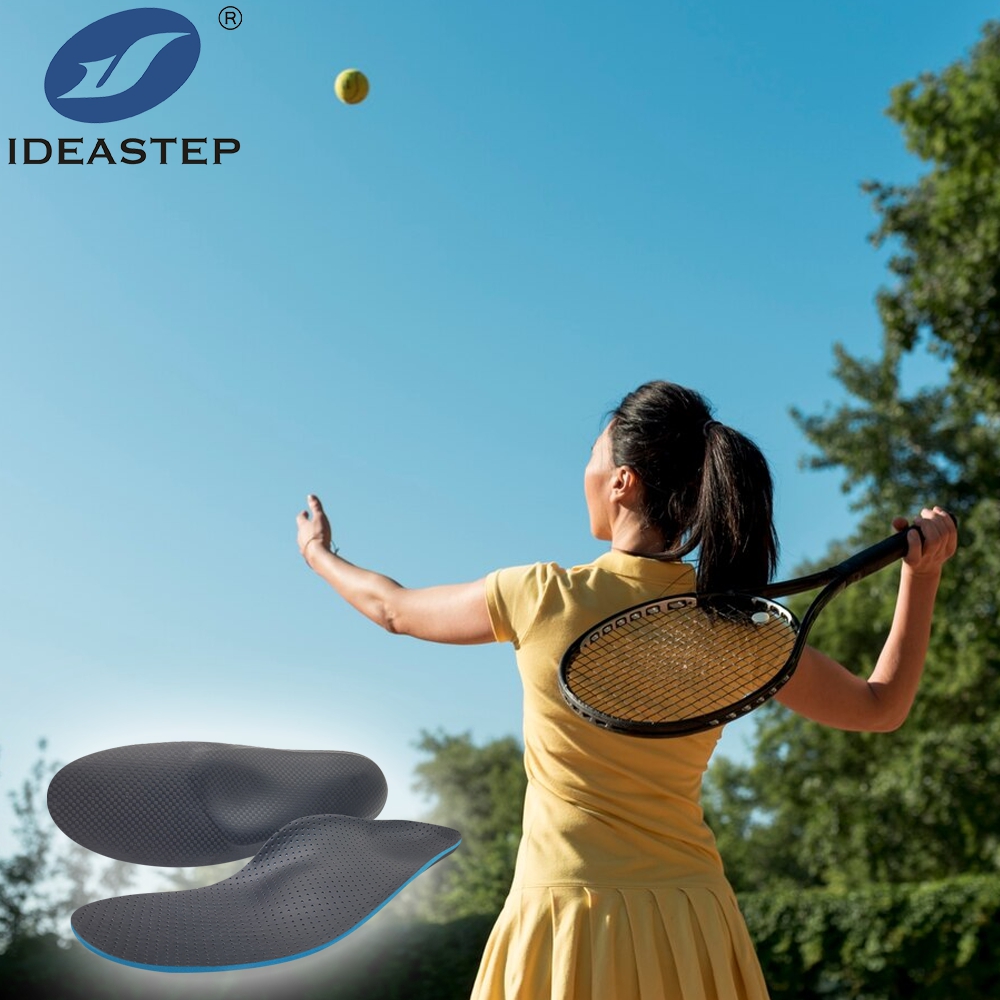
The orthotic insole market continues to grow, but the structure of demand is changing. Buyers are no longer only looking for comfort—they are looking for functional foot support solutions that can be integrated into different industries.
1.1 Rising demand from real-world use cases
- Workers who stand for long hours in retail, logistics, and manufacturing
- Growing interest in sports performance and injury prevention
1.2 Shift toward OEM and private label production
Most new brands entering the market today are not building everything from scratch. Instead, they rely on OEM and ODM partnerships to speed up product development and reduce tooling risks.
1.3 Common search terms in procurement
In real B2B purchasing, buyers usually search using terms like “orthotic insole manufacturer”, “custom insole OEM factory”, or “EVA foam insole supplier”. This directly impacts how your website structure should be designed.
2. Defining Your Orthotic Insole Brand Positioning
Before thinking about product design, you need to decide where your brand actually fits in the market. In practice, this step determines almost everything that follows.
2.1 Main positioning directions
- Medical orthotic insole brands (clinics and podiatry channels)
- Sports performance insole brands
- Work boot and safety footwear insole brands
- Daily comfort and lifestyle foot care brands
2.2 Who you are actually selling to
Most orthotic insole brands in B2B are not selling directly to end users at first. The real customers are usually shoe brands, distributors, medical suppliers, or retail chains.
2.3 Product definition is not just “comfort”
A serious orthotic insole product is usually defined by three things: structure design, material system, and manufacturing process. Without clarity in these areas, scaling becomes difficult later.
3. Building a Practical Orthotic Insole Product Line
A stable product line is more important than a large product catalog. Most successful brands start with a simple structure and gradually expand based on market feedback.
3.1 Typical product structure in the industry
- Basic EVA cushioning insoles for volume market
- Semi-custom heat moldable insoles
- Fully custom 3D orthotic insoles
3.2 Material selection in real production
Different materials are not just about cost—they define performance and positioning.
- EVA: lightweight and scalable for mass production
- PU: more durable and suitable for mid-to-high-end products
- TPU support structures: improves arch stability
- Gel layers: pressure relief in key impact zones
3.3 Application-based product planning
- Work boot orthotic insoles
- Sports and running insoles
- Diabetic foot care insoles
- Children’s orthopedic insoles
4. OEM and ODM Manufacturing Strategy
In most cases, new orthotic insole brands rely on external manufacturing partners. The key is not just finding a factory, but finding a partner that understands orthotic structure and can handle iteration.
4.1 OEM vs ODM in real business practice
OEM usually works when you already have a clear design. ODM is more common for startups because it allows faster entry without heavy development investment.
4.2 What actually matters when choosing a factory
- Experience in orthotic or functional insole production
- Ability to develop molds and structural designs
- Stable export experience to US and Europe markets
- Realistic MOQ and sampling process
4.3 Typical development workflow
- Foot data collection or reference sample analysis
- Prototype design and initial sampling
- Fit testing and structural adjustment
- Mass production and quality control
5. Product Differentiation in a Competitive Market
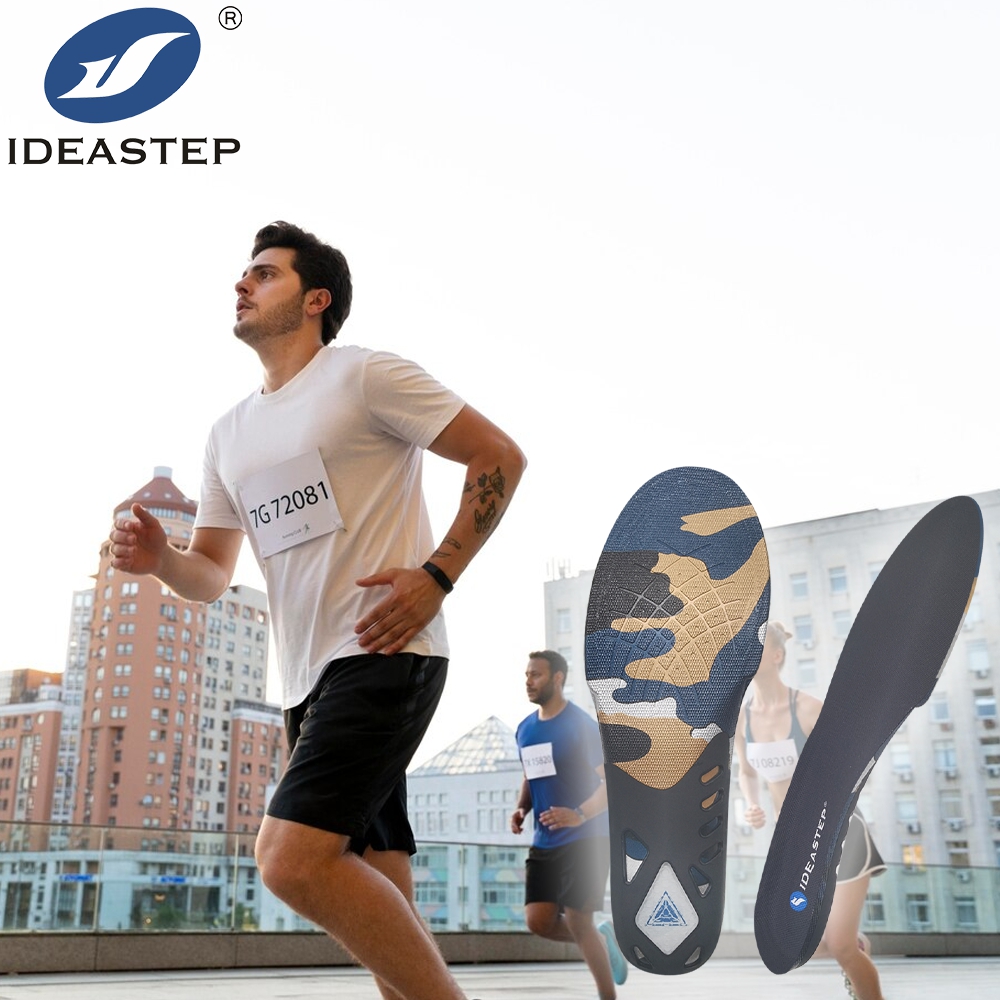
Most orthotic insole products look similar at first glance. The real difference comes from internal structure design, material layering, and how pressure is distributed during movement.
5.1 Moving beyond basic cushioning
A modern orthotic insole is no longer just a soft insert. It is closer to a structured system designed to support foot alignment and reduce stress during walking.
5.2 Technology-driven differentiation
- 3D printed orthotic insoles
- Heat-moldable EVA systems
- Multi-density cushioning structures
5.3 A realistic brand evolution path
Most brands evolve gradually rather than jumping stages:
Comfort → Support → Functional correction → Advanced orthotic positioning
In reality, only a small percentage of brands reach higher-level correction positioning without strong engineering support.
6. Building a Website and SEO Strategy for Your Brand
For most new orthotic insole brands, the website is not just a brand introduction—it is the main acquisition channel for global B2B buyers.
6.1 Recommended website structure
- Homepage with brand positioning and core product categories
- Product pages organized by function and application
- Technology and material explanation pages
- Case studies or application scenarios
6.2 How buyers actually search online
Most procurement teams search with practical terms such as “orthotic insoles supplier”, “custom orthotic insole manufacturer”, or “EVA insole factory”. Your SEO structure should reflect this behavior instead of generic marketing language.
6.3 Content strategy that supports SEO
- Foot pain and biomechanical explanation articles
- Material comparison content (EVA vs PU vs Gel)
- Industry-specific application guides
- OEM/ODM manufacturing knowledge articles
7. Cost Structure and Business Model Overview
Understanding cost structure early helps avoid unrealistic pricing or margin expectations.
7.1 Main cost components
- Mold and tooling development
- Sampling and prototype iteration
- Minimum order quantity production cost
- Website and digital marketing investment
7.2 Common business models in this industry
- B2B wholesale supply
- OEM private label production
- Customized orthotic services
- Distributor partnership models
8. Final Thoughts: What Actually Makes a Brand Successful in 2026
In the orthotic insole industry, most failed brands are not failing because of weak ideas, but because they underestimated manufacturing complexity and relied too heavily on marketing in the early stage.
Brands that perform well usually start with a stable OEM/ODM foundation, then gradually improve product structure and material systems based on real market feedback.
There is no shortcut in this industry—product engineering, supply chain stability, and consistent quality control still decide long-term success.
Conclusion
Launching an orthotic insole brand in 2026 requires a combination of clear positioning, reliable manufacturing support, structured product planning, and a search-driven website strategy.
Those who understand both the engineering side and the commercial side of the industry are far more likely to build a sustainable brand in the global foot care market.