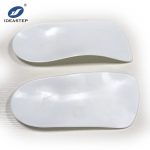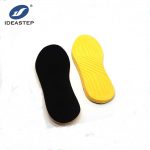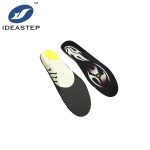
With the growing awareness of foot health and the continuous upgrade of footwear consumption worldwide, the custom insole market is expanding across both medical and retail sectors. On one hand, hospitals and rehabilitation centers require functional orthopedic insoles. On the other hand, footwear brands and e-commerce sellers are looking for comfort-enhancing insole solutions.
In this context, an experienced OEM custom insoles manufacturer has become an essential part of the global footwear supply chain, helping brands develop stable, scalable, and market-ready products.
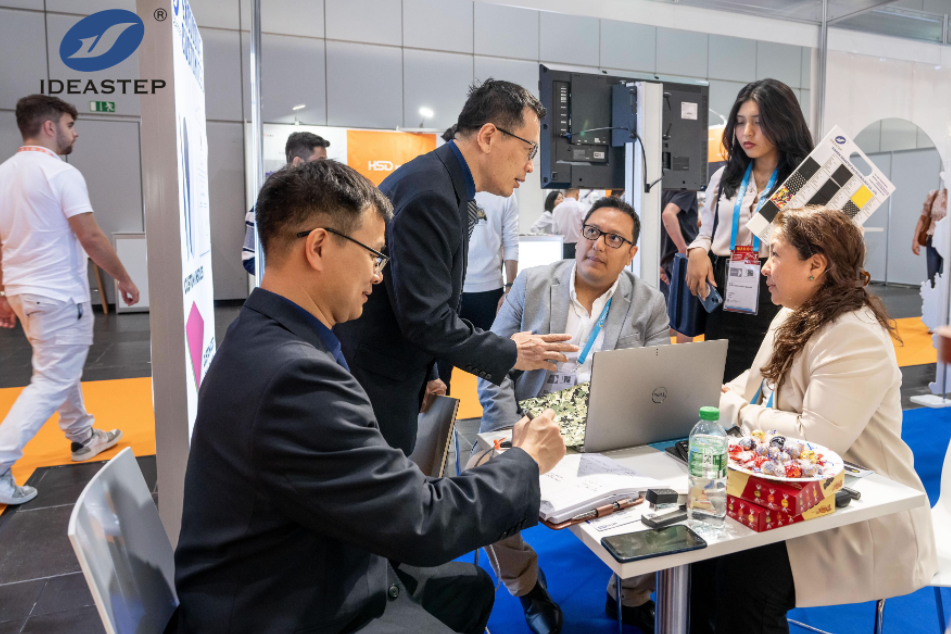
Market Demand Overview
Medical Market Demand
In the medical field, conditions such as diabetic foot, plantar fasciitis, and flat feet are increasingly common. Patients often suffer from uneven plantar pressure distribution or chronic walking discomfort.
Hospitals and podiatry clinics focus on insoles that provide pressure relief, structural support, and long-term stability rather than simple comfort. As a result, orthopedic insoles have become an important part of standard foot care solutions.
Retail Market Upgrade
In the retail sector, insoles have evolved from simple accessories into functional products. Consumers are increasingly focused on reducing fatigue, improving cushioning, and enhancing foot support in everyday shoes, sports shoes, and work footwear.
E-commerce platforms and footwear brands are using performance insoles to increase product value and improve customer retention.
OEM Custom Insoles Manufacturing Capability
As a professional insole manufacturer, the OEM model is designed for brands with existing product designs or established product lines.
The core advantage of OEM production lies in fast execution and consistent mass production capability. Products are manufactured according to client specifications or samples with strict quality consistency.
- Custom logo branding
- Packaging and visual identity customization
- Material and structural production according to specifications
- Stable mass production and supply
OEM manufacturing helps brands reduce R&D costs and accelerate time-to-market while maintaining product consistency.
ODM Development Capability
Unlike OEM, ODM focuses on product development collaboration. The manufacturer is involved not only in production but also in design and structural optimization.
The typical ODM development process includes foot structure analysis, functional zoning design, sample prototyping, and iterative testing before mass production.
- Reduces R&D barriers for brands
- Shortens product development cycles
- Improves product differentiation and competitiveness
ODM solutions are ideal for brands looking to develop unique functional insole product lines.
Product Categories
Medical Grade Insoles
- Orthopedic Insoles
- Diabetic Foot Care Insoles
- Arch Support Insoles
Retail Functional Insoles
- Daily comfort insoles
- Sport cushioning insoles
- Anti-fatigue work insoles
Each product category can be customized based on target market requirements.
Materials & Engineering Structure
Insole performance depends heavily on material combination and structural design rather than a single material type.
EVA provides lightweight support and basic cushioning. PU offers high resilience and long-term durability. Memory foam adapts to foot pressure distribution, while gel materials absorb impact during walking.
Most insoles use a multi-layer structure including:
- Arch support system
- Forefoot pressure relief zone
- Heel cushioning system
This zoned design improves pressure distribution and enhances walking stability.
Manufacturing Process & Quality Control
The production process starts with requirement analysis based on target market positioning and product usage scenarios.
Samples are developed and tested through pressure distribution and comfort evaluation. After multiple optimizations, mass production begins under strict quality control standards.
Each batch undergoes material safety testing, durability testing, and structural consistency inspection.
Products can comply with ISO, CE, or FDA standards depending on market requirements, ensuring safety and regulatory compliance.
Application Scenarios
Medical Applications
Custom insoles are widely used in hospitals, rehabilitation centers, and podiatry clinics to improve gait and reduce foot complications.
Retail Applications
In retail markets, insoles are integrated into sports shoes, casual footwear, and work shoes to enhance comfort and user experience, improving brand competitiveness and customer satisfaction.
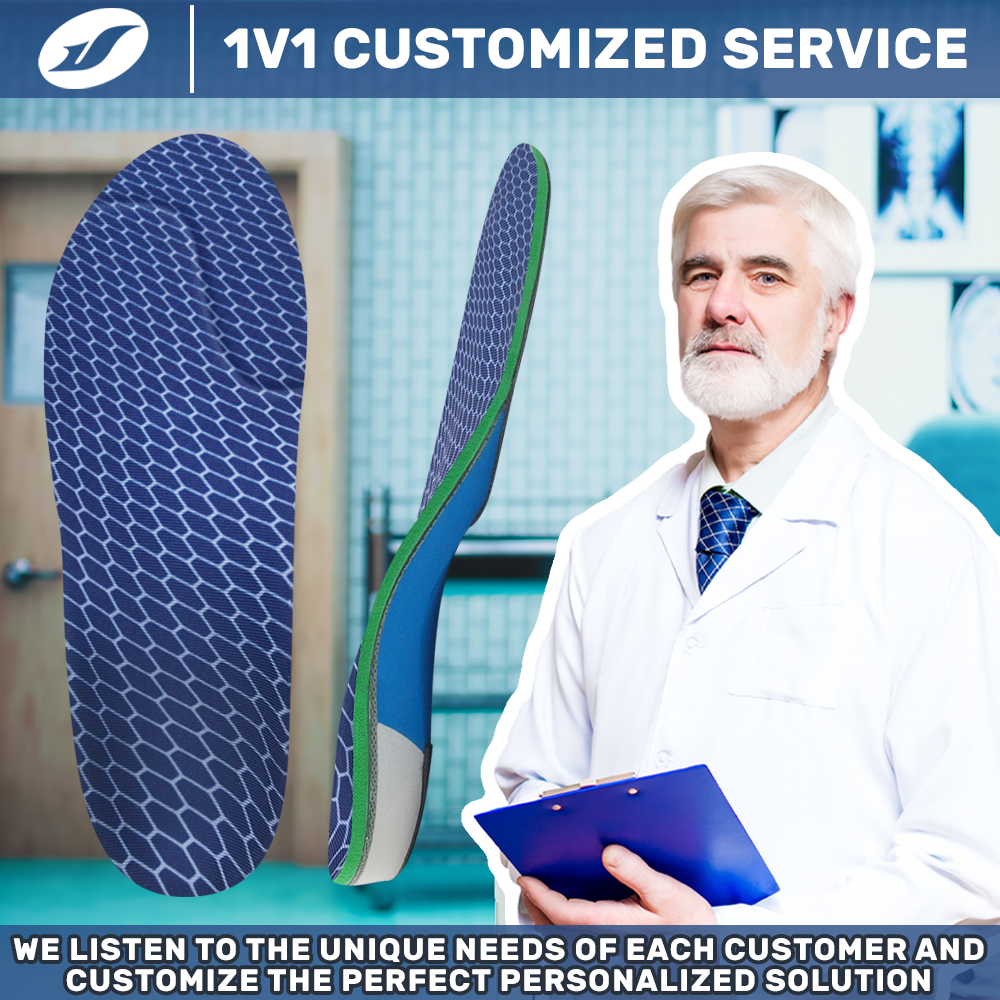
Why Choose Our OEM/ODM Solution
- Factory-direct pricing with transparent cost structure
- Flexible MOQ with small batch support
- Fast sampling (7–15 days typical)
- Strong multi-material and structural development capability
- Stable mass production capacity
- Global brand and cross-border cooperation support
FAQ
Q1: Can fully customized insoles be developed?
Yes. ODM development allows full customization of materials, structure, and function.
Q2: What is the MOQ?
MOQ is flexible depending on project requirements and stage of cooperation.
Q3: Can branding and packaging be customized?
Yes, full brand customization is supported for both product and packaging.
Q4: How long is the sample development time?
Typically 7–15 days depending on design complexity.
Conclusion
As medical and retail markets continue to merge in demand for functional footwear solutions, choosing a professional OEM Custom Insoles Manufacturer helps brands accelerate product development while ensuring performance and quality.
Through combined OEM and ODM capabilities, brands can build competitive insole product lines that serve both healthcare and consumer markets effectively.
Related Post: Introducing Ideastep’s OEM Orthotics