If you are planning to launch a private-label orthotic insole product, one of the first decisions you will face is whether to choose OEM or ODM manufacturing.
At first glance, the difference seems straightforward. OEM focuses on custom product development, while ODM is based on existing designs. However, in real business situations, the decision is often more complex. Factors such as budget, launch timeline, target customers, and long-term brand strategy all play a role.
For some companies, speed to market is the top priority. For others, product differentiation is what drives long-term growth. Understanding the strengths and limitations of both models can help you make a more informed sourcing decision and avoid unnecessary development costs.
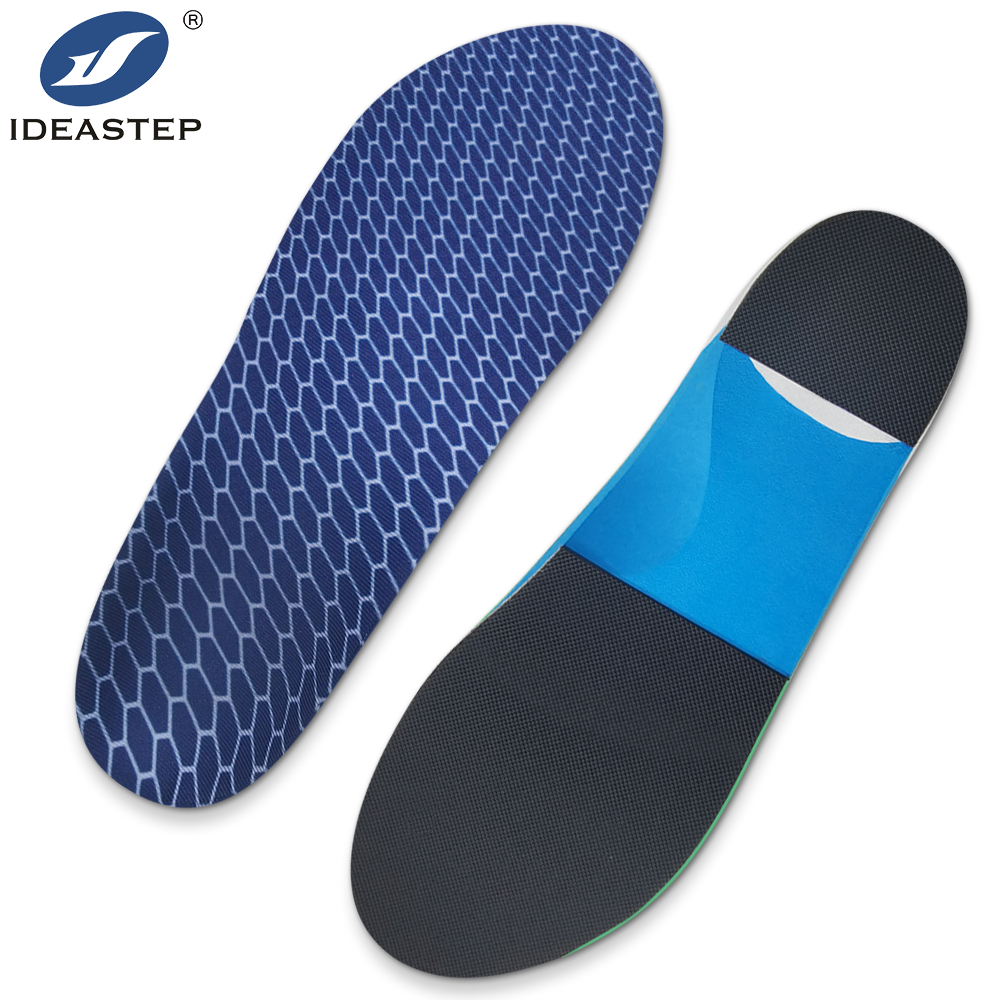
What Is OEM Orthotic Insole Manufacturing?
OEM (Original Equipment Manufacturer) manufacturing starts with your product idea. Instead of selecting an existing design, you work with the manufacturer to develop an orthotic insole that matches your specific requirements.
In the orthotic industry, OEM projects often involve adjustments to biomechanics, material combinations, support structures, and overall product performance. The goal is to create a product that reflects your brand’s positioning rather than adapting an existing market solution.
Typical OEM Customization Options
- Custom arch support structures
- EVA density and hardness selection
- Heel cup depth and stability design
- Top cover material choices
- Multi-layer cushioning systems
- Foot correction features
- Private label branding
- Retail packaging customization
Because every element can be adjusted, OEM offers the highest level of flexibility for brands seeking a unique product identity.
Why Businesses Choose OEM
For established brands, product differentiation is often the primary reason for choosing OEM. When multiple competitors sell similar products, a customized orthotic insole can provide a meaningful advantage.
OEM also allows companies to build stronger intellectual property around their products. Unique structures, material combinations, and performance features can help create barriers that are difficult for competitors to replicate.
The Challenges of OEM Development
While OEM offers greater control, it also requires more time and investment.
Developing a custom orthotic insole usually involves several stages, including design discussions, material selection, prototype development, sample revisions, wear testing, and production validation.
Depending on project complexity, development may take several weeks or even months before mass production begins.
For businesses focused on long-term growth, this investment is often worthwhile. However, companies seeking a quick market entry may find OEM less suitable for their immediate goals.
What Is ODM Orthotic Insole Manufacturing?
ODM (Original Design Manufacturer) follows a different approach. Instead of starting from scratch, buyers select from existing orthotic insole designs that have already been developed and tested by the manufacturer.
The buyer then customizes selected elements while using the existing product platform as the foundation.
This approach reduces development time and lowers the risks associated with creating an entirely new product.
Common ODM Customization Options
- Private label logos
- Color modifications
- Packaging customization
- Top cover replacements
- Material upgrades
- Surface fabric options
- Minor performance adjustments
Many buyers assume ODM means simply placing a logo on a standard product. In reality, modern ODM projects can offer a surprising degree of flexibility, especially when working with experienced manufacturers.
Why Businesses Choose ODM
ODM is often the preferred choice for companies entering the market for the first time.
Because the core design already exists, development costs are lower and launch timelines are significantly shorter. Businesses can focus on branding, sales, and market development without investing heavily in product engineering.
ODM also allows companies to test new product categories before committing to larger OEM investments.
The Limitations of ODM
The main trade-off is reduced exclusivity.
Although branding and materials may differ, the underlying product structure is often shared with other customers using the same platform. This can make it more challenging to create a highly differentiated market position.
For brands competing primarily on innovation and unique performance features, ODM may eventually become limiting as the business grows.
OEM vs ODM Orthotic Insoles: A Practical Comparison
| Factor | OEM | ODM |
|---|---|---|
| Product Design | Fully Custom | Existing Design Platform |
| Development Time | Longer | Faster |
| Initial Investment | Higher | Lower |
| MOQ | Usually Higher | Usually Lower |
| Customization Level | Extensive | Moderate |
| Market Entry Speed | Slower | Faster |
| Product Differentiation | Strong | Limited |
| Long-Term Brand Value | Higher Potential | Moderate |
Which Businesses Are Better Suited for OEM?
OEM is often the right choice for companies that view orthotic insoles as a long-term product category rather than a short-term opportunity.
Established Orthotic Brands
Brands with existing customers often need products that stand apart from competing offerings. OEM provides the flexibility needed to create unique product characteristics.
Podiatry Clinics and Foot Care Professionals
Many clinics develop private-label orthotic products designed around their treatment philosophies and patient requirements. OEM allows greater control over support structures and functional features.
Medical and Healthcare Companies
Organizations serving specialized patient groups frequently require performance specifications that standard products cannot provide.
Brands Focused on Product Innovation
If your competitive advantage depends on product uniqueness, OEM generally offers more opportunities for differentiation.
Which Businesses Are Better Suited for ODM?
ODM is often the more practical option for businesses seeking efficiency and speed.
Startups
New brands can enter the market without committing significant resources to product development.
Online Sellers
E-commerce businesses can test customer demand before investing in custom product development.
Distributors Exploring New Markets
ODM reduces risk when entering unfamiliar regions or customer segments.
Retail Chains Expanding Product Categories
Retailers can quickly add orthotic insoles to their product portfolios while maintaining manageable inventory investments.
Real-World Business Scenarios
In practice, many successful brands do not view OEM and ODM as mutually exclusive options.
A startup may begin with an ODM product to validate demand and generate sales. After establishing a customer base, the same company may transition to OEM development to create more distinctive products and strengthen its brand positioning.
Likewise, a distributor may use ODM products in one market while simultaneously developing OEM products for higher-value segments.
The most effective strategy often depends on where your business is today rather than where you ultimately want it to be.
How an Experienced Orthotic Insole Manufacturer Adds Value
A good manufacturing partner does more than produce insoles.
Experienced orthotic insole manufacturers can help evaluate whether a project genuinely requires OEM development or whether an existing ODM platform can achieve similar commercial results with lower risk.
They can also provide guidance on:
- Material selection
- Biomechanical design considerations
- Sample development
- Performance testing
- Quality control standards
- Packaging solutions
- Supply chain planning
This expertise often helps buyers avoid costly mistakes during the early stages of product development.
Conclusion
There is no universal answer to the OEM versus ODM question. Both models offer advantages, and the right choice depends on your business objectives, available resources, and growth strategy.
OEM orthotic insoles are typically the better option for businesses seeking long-term differentiation, custom product development, and stronger brand identity. ODM orthotic insoles are often the smarter choice for companies that prioritize speed, lower investment, and reduced development risk.
Before making a decision, focus on your business goals rather than the manufacturing model itself. Your budget, launch timeline, target customers, and expected sales volume will often provide the clearest answer.
If you are evaluating OEM or ODM orthotic insoles for your next project, discussing your requirements with an experienced manufacturer and reviewing available samples can be an effective first step toward finding the right solution for your market.
Related Post: Ideastep: A Leading Orthopedic Insole Manufacturer in China.