Overpronation – It Doesn’t Have to Hurt Your Feet to Hurt Your Whole Body

You may be an overpronator without even realizing it. Overpronation occurs when your feet roll inward excessively with each step. Although a slight inward movement forms part of a normal gait cycle, excessive rolling can place additional stress on your feet and lower limbs. In fact, many people experience some degree of pronation. However, the amount of inward movement and the time the foot remains in that position can exceed what the body can comfortably manage.
Even when your feet do not hurt, overpronation can affect your body’s alignment with every step. As your ankles, knees, hips, and back compensate for changes in foot movement, excessive stress may contribute to discomfort and wear over time. Furthermore, poor alignment can increase the risk of certain injuries. Therefore, addressing the problem at its foundation—your feet—can help improve overall movement and stability.
What Causes Overpronation?
Many people who overpronate have flat feet or fallen arches. Flat feet may run in families, but they can also develop following an injury or alongside certain conditions, including pregnancy-related changes, obesity, or arthritis. In addition, overpronation may develop gradually, making it difficult to recognize at first. Changes in foot shape, uneven shoe wear, or reduced shoe comfort can eventually indicate a problem.
How Can You Manage Overpronation?
Overpronation usually requires ongoing management rather than resolving on its own. Although surgery may help address certain underlying foot conditions, treatment depends on the cause and severity of the problem. In many cases, Foot Levelers custom orthotics can help support the arches and improve foot alignment. With appropriate support, users may experience greater comfort and mobility, along with less fatigue during daily activities.
Better foot alignment can also help distribute pressure more evenly throughout the lower limbs. As a result, suitable orthotic support may help manage excessive strain associated with conditions such as shin splints and plantar fasciitis. However, the outcome depends on individual foot structure, activity level, and the underlying cause of the symptoms.
Your doctor may also recommend stretching exercises to improve the flexibility of the muscles and tendons around your feet. In addition, choosing well-fitting shoes with adequate support can help maintain foot stability and promote better body alignment.
How Can You Tell If You Overpronate?
Schedule an appointment with a qualified healthcare professional for a foot assessment. During the examination, your doctor will observe how your feet behave while you stand and bear weight. They may also use 3D scanning technology, such as the Foot Levelers Kiosk, to assess foot structure and identify potential alignment concerns.
Your doctor will also ask about your daily activities, footwear, and lifestyle. By combining these details with the examination results, they can determine whether orthotic support may be appropriate and recommend a suitable design for your needs.
How Can Overpronation Affect the Rest of Your Body?
Overpronation can affect more than just your feet. Changes in foot mechanics may influence the alignment and movement of the ankles, knees, hips, and back. Consequently, some people experience discomfort in these areas. Overpronation may also contribute to problems associated with plantar fasciitis. The following video demonstrates how excessive inward foot movement can affect different parts of the body.
Why Should You Consider Foot Levelers?
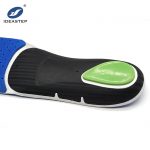
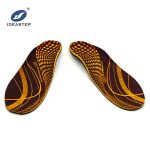
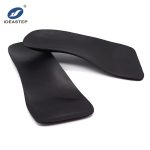
IDEASTEP custom orthotics reflect a design approach that focuses on foot stability and overall body alignment. For more than 30 years, Ideastep has developed orthotic solutions for professional applications, combining practical design concepts with material selection to support different foot conditions and requirements.
Unlike generic, one-size-fits-all insoles, custom orthotics allow professionals to select a design based on an individual’s foot structure and support needs. Healthcare providers can recommend an appropriate orthotic configuration to help improve stability and accommodate differences in foot mechanics.
Foot Levelers custom orthotics come in various designs and use advanced materials that help absorb shock. Depending on the specific model and footwear compatibility, users can wear them in different types of shoes, including athletic shoes, running shoes, and some dress shoes. This flexibility allows users to incorporate orthotic support into a range of daily activities.
The average person walks a considerable distance over a lifetime. Therefore, proper foot support can play an important role in maintaining comfort during everyday movement. Consult your healthcare professional to determine whether orthotics from Ideastep suit your foot structure and support requirements.