Semi-custom insoles and custom orthotics differ in design flexibility, production methods, and the level of individual adjustment. Although both can incorporate arch support, heel stabilization, and cushioning, they serve different product development and manufacturing requirements.
For orthotic brands, footwear manufacturers, laboratories, and distributors, understanding these differences helps determine the right product structure, material combination, and production model. In addition, the choice affects sampling costs, manufacturing efficiency, order quantities, and repeat production.
1. What Are Semi-Custom Insoles?
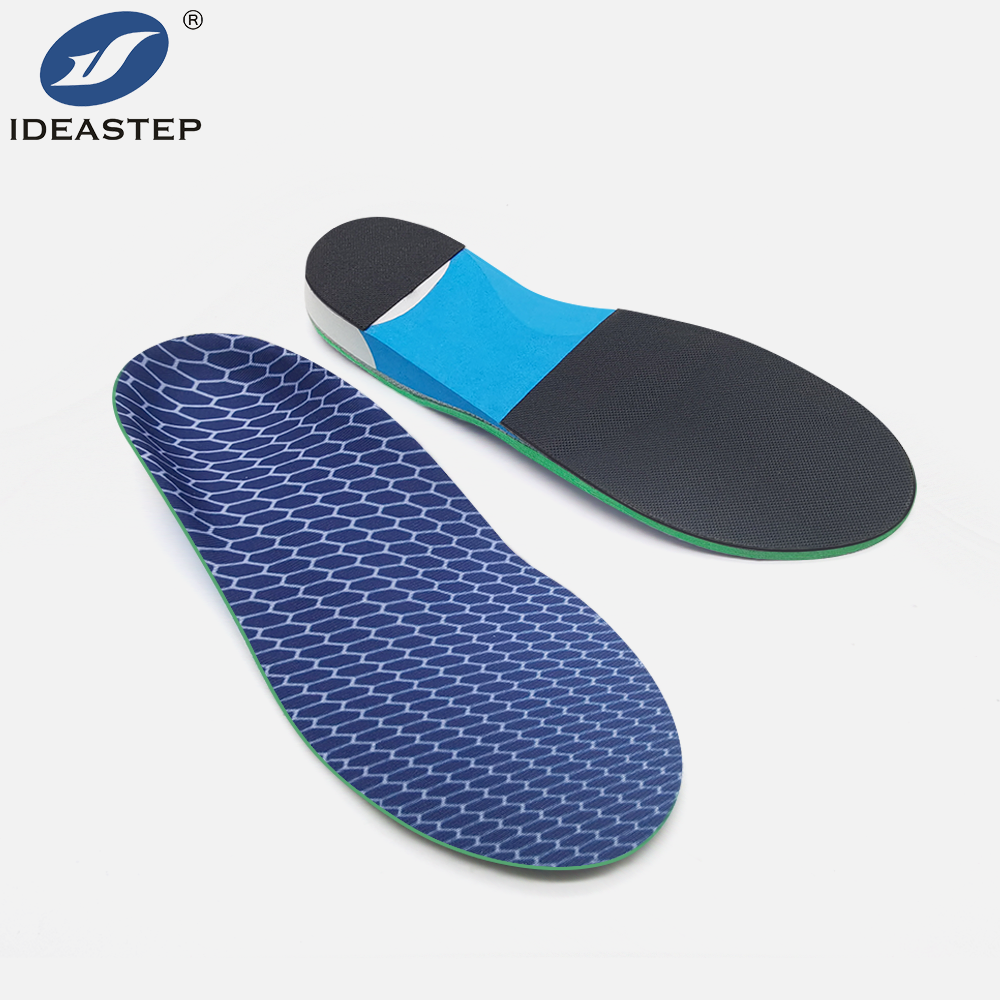
Semi-custom insoles are developed from standardized product platforms with selected features adjusted to meet different requirements. Manufacturers typically offer predefined sizes, arch profiles, heel cup shapes, cushioning options, and material combinations.
Rather than designing a completely new structure for every order, semi-custom insole manufacturing starts with an established design. Selected features can then be modified to create different product configurations.
Common adjustment options include:
- Different arch heights and profiles
- Variations in heel cup depth and shape
- EVA or PU cushioning combinations
- Different top-cover materials
- Adjustments to thickness and firmness
As a result, brands can develop several semi-custom orthotic insole variations without introducing a separate manufacturing process for every product. This approach also makes specifications easier to standardize, particularly for wholesale orders and repeat production.
2. What Are Custom Orthotics?
Custom orthotics are developed according to individual foot measurements, digital scans, casts, or clinical prescriptions. Their geometry and support features are determined by the requirements of each case.
Depending on the design and production method, manufacturing may involve digital scanning, CAD design, CNC milling, 3D printing, or traditional molding processes.
Typical design variables include:
- Individual arch contour
- Heel cup geometry
- Posting and correction features
- Material stiffness and thickness
- Localized cushioning and pressure-relief areas
Unlike standardized product platforms, custom orthotics require more individual design input and closer control of production specifications. Therefore, they are commonly produced by orthotic laboratories and healthcare providers working with patient-specific requirements.
The final structure may also vary considerably between projects. For example, the support geometry, material thickness, and stiffness can change according to the design specifications and intended application.
3. Semi-Custom Insoles vs Custom Orthotics: Key Differences
The main distinction between semi-custom insoles and custom orthotics is the degree of individualization. While semi-custom products use predefined structures with selected adjustments, custom orthotics are developed around individual specifications.
| Comparison | Semi-Custom Insoles | Custom Orthotics |
|---|---|---|
| Design basis | Standardized platform with selected options | Individual measurements or prescriptions |
| Shape | Predefined profiles with variations | Individually developed geometry |
| Size | Standard size ranges | Individual dimensions |
| Material selection | Selected material combinations | Project-specific material selection |
| Development | More standardized | More individualized |
| Production | Suited to repeatable batch production | Requires individual design and production control |
| Typical buyers | Brands, distributors, wholesalers | Orthotic laboratories and clinical providers |
Neither product type is suitable for every application. In general, semi-custom insoles are easier to standardize for product ranges and wholesale distribution. By contrast, custom orthotics provide greater flexibility when individual measurements or specific structural requirements determine the design.
Consequently, the appropriate model depends on the target market, product specifications, production volume, and available manufacturing workflow.
4. Differences in Design and Material Selection
Both semi-custom insoles and custom orthotics can use EVA, PU, TPU, and other support materials. However, the main difference lies in how these materials are selected, combined, and adjusted.
Semi-Custom Insole Design
Semi-custom insole designs usually begin with an established base structure. Manufacturers can then modify selected features without redesigning the entire product.
For example, a product range may include several arch profiles, different heel cup configurations, or alternative cushioning layers. These options can be combined to develop variations for different footwear categories and product requirements.
Common material options include:
- EVA foam for cushioning and structural support
- PU foam for cushioning applications
- TPU components for additional structural support
- Mesh, fabric, or other materials for top covers
When developing these products, manufacturers need to consider dimensional consistency, repeatable material performance, and compatibility with the intended footwear construction.
In addition, brands should define the available design options clearly. Standardized specifications make sample approval, product comparison, and repeat orders easier to manage.
Custom Orthotic Design
Custom orthotics require a more individualized approach. For each project, arch contour, material thickness, stiffness, and corrective features are determined by the specific design requirements.
A typical construction may combine a rigid or semi-rigid support shell with softer cushioning materials. Depending on the application, manufacturers may consider CNC-milled EVA, thermoplastic components, or 3D-printed structures.
However, material selection should not follow a fixed product template. Instead, it should reflect the required support structure, manufacturing method, and intended application.
For manufacturers, controlling material properties and processing specifications is particularly important. This becomes even more relevant when different designs require varying levels of stiffness, flexibility, or thickness.
5. Manufacturing Processes and Production Planning
The different design approaches also lead to different manufacturing workflows. While semi-custom insole production generally relies on repeatable specifications, custom orthotic manufacturing requires more individual processing.
Semi-Custom Insole Manufacturing
Semi-custom production typically follows a standardized workflow:
- Confirm the product platform, size range, and available design options.
- Select materials and structural configurations.
- Develop and approve product samples.
- Establish cutting, molding, bonding, and finishing specifications.
- Manufacture and inspect bulk orders.
Once the design and material specifications are approved, the same production setup can support repeat orders and selected product variations.
As a result, manufacturers can manage production schedules, material purchasing, and quality inspections more consistently across different product configurations.
Custom Orthotic Manufacturing
Custom orthotic manufacturing involves more individualized steps:
- Obtain foot measurements, scans, casts, or prescription details.
- Develop the individual orthotic design.
- Select materials and define the support structure.
- Manufacture using the appropriate production method.
- Inspect dimensions, shape, and structural quality.
Depending on the project, digital workflows may use CAD/CAM systems, CNC milling, or additive manufacturing. Traditional molding methods may also be suitable for certain designs and laboratory requirements.
Because each order may involve different design inputs, production planning and quality control must account for individual specifications. In particular, consistent documentation of design files, material requirements, and inspection criteria helps maintain production accuracy.

6. Cost, Lead Time, and Order Considerations
The cost and lead time of semi-custom insoles and custom orthotics depend on design complexity, material selection, equipment, order volume, and the level of customization.
Semi-custom insoles generally offer a more predictable production structure because they use predefined designs and size ranges. Therefore, sampling, inventory planning, and repeat purchasing can be easier to organize.
Custom orthotics, on the other hand, involve additional design input and individual processing. Their production costs and turnaround times vary according to case complexity, manufacturing technology, and the workflow used by the orthotic laboratory.
For brands, distributors, and manufacturing partners, the main commercial considerations include:
- Minimum order quantity
- Number of sizes and design variations
- Material availability
- Sample development requirements
- Production lead time
- Packaging and private-label specifications
- Quality inspection standards
These details should be confirmed during project planning rather than estimated from the product category alone. For example, a semi-custom range with numerous structural variations may still require considerable development work. Meanwhile, a custom orthotic project using an established digital workflow may have a more organized production schedule.
7. Which Product Model Suits Different Business Requirements?
The right choice depends on the product range, target market, and supply model.
Semi-custom insoles are suited to brands and distributors that need standardized product ranges with selected variations. For this reason, they are a practical option for wholesale distribution, private-label programs, and repeatable footwear production.
Custom orthotics are more appropriate for orthotic laboratories and healthcare providers that work with individual measurements or prescriptions. Their development process allows for more specific structural adjustments and individualized product specifications.
Some businesses may work with both product types. For instance, a standardized semi-custom insole range can serve wholesale markets, while custom orthotics can address projects that require individual designs.
Ultimately, the decision should reflect actual product requirements and production capabilities rather than treating one model as a replacement for the other.
8. OEM and ODM Opportunities for Orthotic Insoles
Both semi-custom insoles and custom orthotics can be developed through OEM or ODM cooperation. However, the scope of each project differs according to its design and production requirements.
For semi-custom insole projects, development may cover:
- Arch profiles and heel cup structures
- EVA, PU, and TPU material combinations
- Hardness and thickness
- Top-cover fabrics and surface finishes
- Size ranges and product dimensions
- Logo application and private-label packaging
For custom orthotic projects, cooperation may involve material sourcing, support shell production, CAD/CAM processing, component manufacturing, and finishing according to the buyer’s technical specifications.
Before sampling begins, brands and manufacturers should confirm drawings, material specifications, dimensional tolerances, expected order quantities, and quality requirements. In this way, both parties can establish a consistent basis for sample approval and bulk production while reducing unnecessary revisions.
Semi-Custom and Custom Orthotic Insole Manufacturing by Ideastep
Ideastep is the brand of Xiamen KON Technology Co., Ltd., a manufacturer specializing in orthotic insoles and EVA materials. The company works with orthotic brands, footwear manufacturers, laboratories, and distributors on material selection, product specifications, sample development, and OEM/ODM production.
Available material options include EVA, PU, TPU, fabric, and other cover materials, depending on the product structure and project requirements.
For semi-custom or custom orthotic insole projects, contact Ideastep to discuss product specifications, sample development, bulk orders, and available free samples.
Related Post: Semi-Custom Orthotic Insoles for Brands and Distributors: Materials, Specifications, and OEM Options.