Semi custom orthotics bridge the gap between standard prefabricated insoles and fully custom orthotic devices. They combine a standardized product structure with selected design options, including arch profiles, cushioning materials, and support components. As a result, manufacturers can develop multiple product configurations while maintaining a repeatable production process.
For orthotic brands, laboratories, and footwear manufacturers, this approach offers a practical way to serve different market segments without designing every product from scratch. Material selection, shell geometry, and layer construction all influence the finished product’s performance and manufacturing requirements.
1. What Are Semi Custom Orthotics?
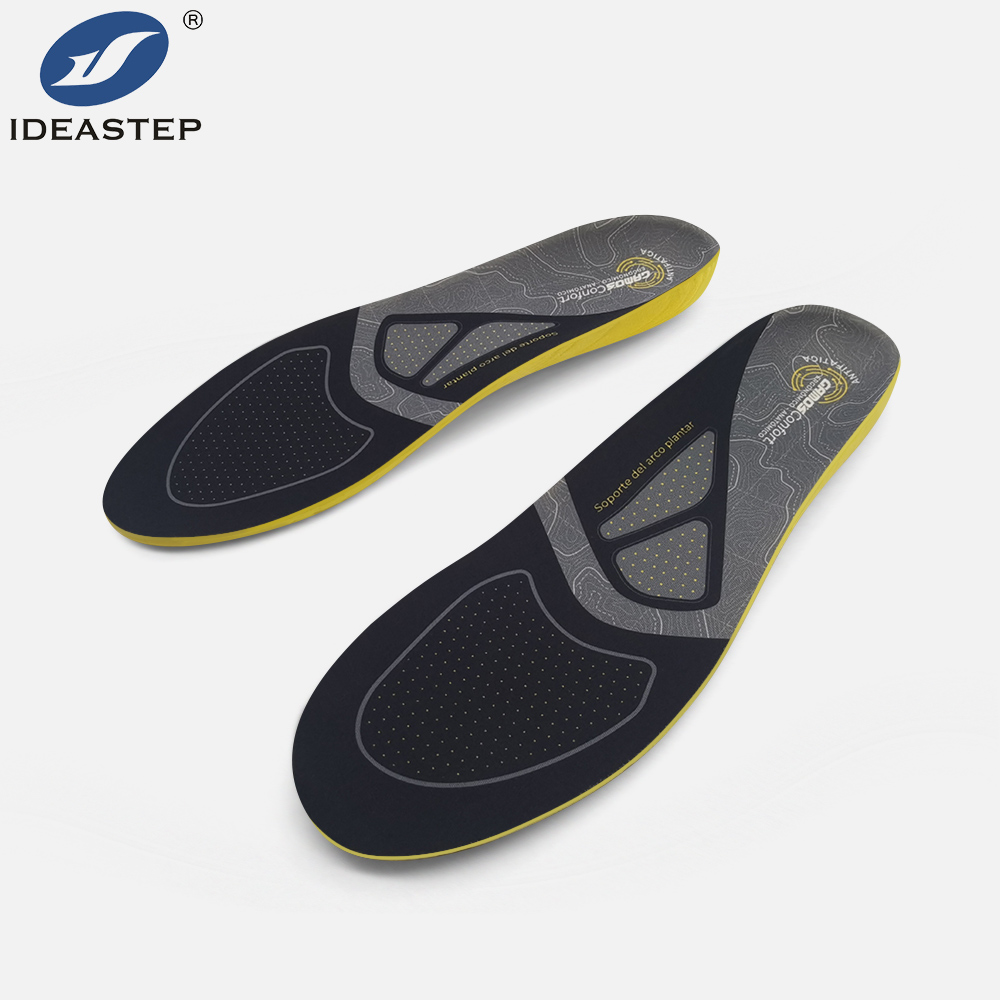
Unlike standard insoles with fixed structures, semi custom orthotics allow selected design features to vary within an established product platform. These options may include different arch heights, heel cup configurations, cushioning materials, and support levels.
Fully custom orthotics follow a different development process. Their geometry is based on individual foot scans, casts, or molds, with specifications tailored to individual requirements. In contrast, semi-custom products use predefined structures with a controlled range of modifications.
Depending on the product design, available options may include:
- Different arch heights and support profiles
- Alternative heel cup depths and rearfoot structures
- Interchangeable or adjustable cushioning components
- Different material hardness and thickness options
- Customized top covers and base materials
- Heat-moldable or trim-to-fit features
However, the degree of adjustment varies by product. A clear technical specification should identify which components can be modified and which remain fixed. This distinction helps establish realistic production tolerances and avoids misunderstandings during product development.
2. Materials Used in Semi Custom Orthotics
Material selection directly affects cushioning response, structural stability, flexibility, and durability. Most semi-custom designs combine foam layers with supporting components and a suitable top cover.
EVA Foam
EVA is widely used in orthotic insole production because manufacturers can select different densities, hardness levels, and thicknesses for specific structural requirements.
Common applications include cushioning bases, arch support layers, and heel or forefoot pads. By using different EVA grades, manufacturers can develop variations in compression and support within the same product range.
However, density and hardness are separate specifications. Both need to be considered when evaluating the mechanical properties of the finished insole.
PU Foam
PU foam provides another option for cushioning layers. Its compression response and resilience depend on the formulation and foam structure.
For example, manufacturers may use PU foam in heel cushioning, forefoot pads, and multi-layer constructions. When selecting a grade for production, compression set, density, recovery characteristics, and bonding compatibility all require attention.
TPU and PP Supporting Components
TPU and polypropylene (PP) are used in orthotic structures where foam alone cannot provide the required support profile.
With its elastic behavior and thermoplastic processability, TPU can be developed into flexible or heat-formable support components, depending on the formulation.
In contrast, PP is generally selected for more rigid shell structures, with thickness, contour, and geometry influencing the stiffness of the finished component.
Ultimately, material selection depends on the required support level, forming method, and overall product construction.
Top Cover Materials
The top cover affects surface durability, friction, moisture management, and the finished appearance of an insole.
Common options include polyester mesh, breathable fabric, microfiber, velvet, leather, and synthetic leather. Selection depends on the target application, expected wear conditions, and compatibility with the bonding process.
In addition, surface materials should be evaluated alongside the foam and shell layers to ensure that the complete construction meets the product specification.
3. Support Features and Structural Design
The support structure distinguishes semi custom orthotics from conventional cushioning insoles. In particular, arch geometry, heel cup design, shell stiffness, and cushioning placement determine how the finished product is constructed.
Arch Support
Arch support can be built into the base layer, formed through an integrated shell, or added as a separate component.
Different profiles can be developed within one product range by adjusting height, contour, length, and material stiffness. Meanwhile, consistent tooling and dimensional control help maintain uniformity across different versions.
Deep Heel Cup
A deep heel cup creates a defined rearfoot structure within the insole. Its geometry depends on cup depth, wall angle, shell stiffness, and the available space inside the footwear.
These dimensions need to work together. For example, increasing heel cup depth may also affect the shell profile and its integration with the cushioning base. Therefore, changes should be assessed as part of the complete structure.
Heel and Forefoot Cushioning
Localized cushioning allows manufacturers to develop different compression characteristics across the heel and metatarsal regions.
EVA and PU foam are common choices. Their density and thickness can be adjusted according to the product specification. However, bonding strength and compression performance should also be checked during sample evaluation.
Semi-Rigid Support Shell
Some semi custom orthotics combine a semi-rigid shell with softer foam layers. The shell maintains the designed support profile, while the cushioning materials contribute to the overall compression response.
TPU and PP are potential shell materials, depending on the required flexibility and manufacturing method. Their suitability should be evaluated within the complete insole structure rather than in isolation.
Multi-Layer Construction
A typical construction may include:
- Fabric top cover
- EVA or PU cushioning layer
- Structural shell or support component
- Base cushioning layer
Not every model requires all four layers. Instead, layer selection should reflect the intended support function, product thickness, footwear dimensions, and target cost.
4. Semi Custom Orthotics vs. Fully Custom Orthotics
The distinction between semi-custom and fully custom products affects design workflows, production planning, and product positioning.
| Design Factor | Semi Custom Orthotics | Fully Custom Orthotics |
|---|---|---|
| Product foundation | Standardized base design | Individual foot scan, cast, or mold |
| Manufacturing | Batch production with selected modifications | Individualized design and fabrication |
| Design options | Predefined support profiles and component choices | Patient-specific geometry and specifications |
| Material selection | Standardized combinations or predefined options | Materials selected for individual design requirements |
| Production workflow | More suitable for repeatable production | Requires individual design and processing |
| Product consistency | Controlled through standard specifications | Depends on individual design and fabrication accuracy |
Semi custom orthotics are not simply lower-cost versions of fully custom devices. Instead, they serve a different role in product development.
Their main advantage is the combination of a repeatable manufacturing platform and selected design variations. Fully custom production remains more appropriate when individual geometry or specific modifications fall outside the available semi-custom options.
5. Product Applications Across Different Market Segments
Semi custom orthotics can be developed for several footwear and orthotic product categories. Each application requires a different combination of materials, support features, and construction methods.
Medical and Orthotic Products
Medical-oriented product lines may incorporate defined arch profiles, heel cup structures, and semi-rigid support components.
For these applications, design specifications should reflect the intended function. Where products are developed for specific clinical purposes, their construction and performance claims should also be reviewed against relevant professional and regulatory requirements.
Sports Insoles
Sports insoles often combine cushioning materials with structural components to meet different footwear and activity requirements.
EVA and PU foam can provide different cushioning characteristics, while TPU or PP components may add structural support. In addition, weight, flexibility, compression behavior, and bonding durability are important factors during product development.
Work and Safety Shoe Insoles
Work and safety footwear applications place particular demands on durability, cushioning stability, and available shoe volume.
For this reason, compression set, abrasion resistance, dimensional stability, and compatibility with the footwear construction should be considered during development.
Diabetic Footwear Components
Diabetic footwear components require careful attention to material softness, surface construction, pressure distribution, and dimensional consistency.
However, a standard semi-custom insole should not automatically be marketed as suitable for diabetic foot management. Products intended for this application need appropriate evaluation against relevant clinical and regulatory requirements.
Everyday Orthotic Footwear
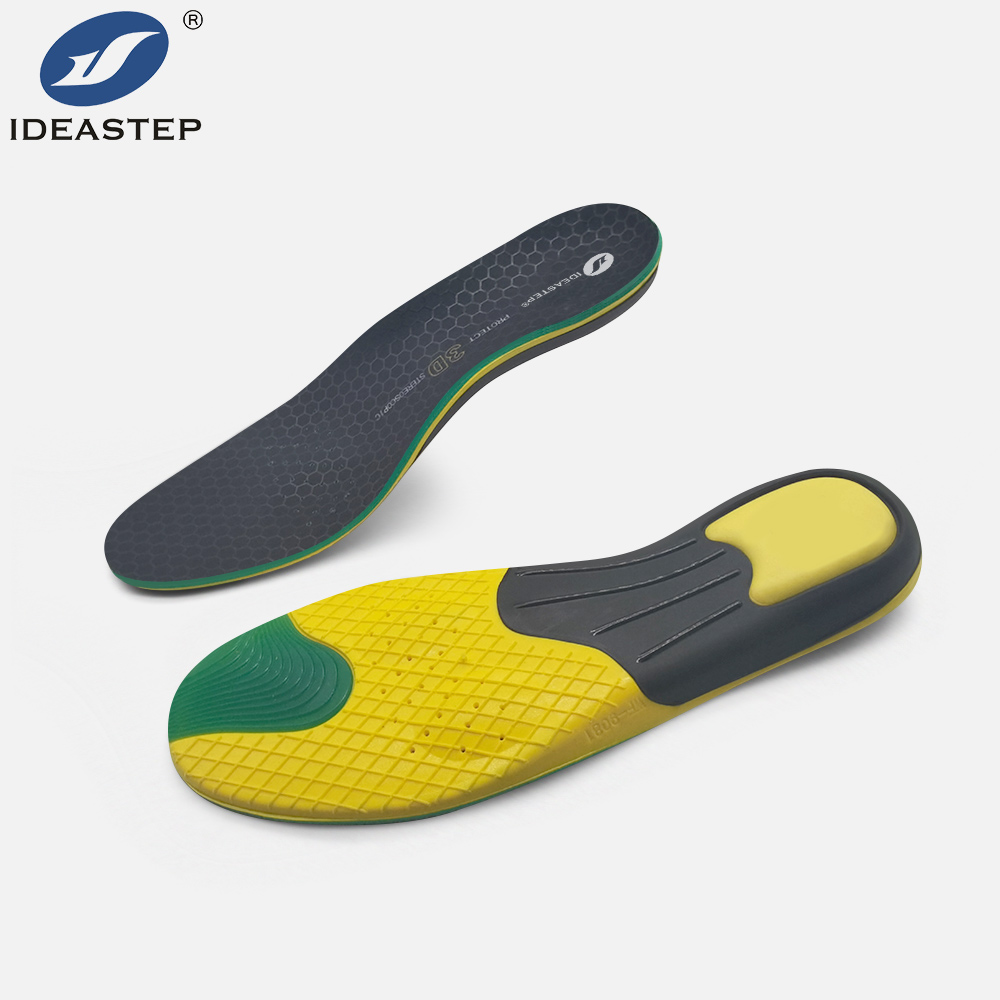
For general orthotic footwear ranges, manufacturers can create multiple versions using different arch profiles, foam densities, and top cover materials.
A standardized base structure makes it easier to manage product variations. At the same time, consistent tooling, specifications, and production procedures help maintain manufacturing control.
6. Manufacturing and Quality Control
Semi custom orthotics rely on repeatable specifications. Variations in foam density, shell thickness, forming conditions, or bonding can affect the finished product.
A practical quality control process should cover four areas.
Incoming material inspection
- EVA and PU density and hardness
- TPU or PP grade and thickness
- Top cover specifications
- Surface condition and material consistency
Dimensional inspection
- Overall length and width
- Arch height and contour
- Heel cup depth
- Shell thickness
- Component alignment
Mechanical and bonding tests
- Compression and recovery characteristics
- Shell flexibility and deformation
- Layer adhesion
- Surface wear resistance
- Dimensional stability after processing
Batch control
Material batches, production parameters, inspection results, and approved samples should be documented. These records help identify process variation and maintain consistent specifications across bulk orders. In addition, they provide a reference for investigating defects and evaluating production changes.
7. OEM and ODM Development for Semi Custom Orthotics
For wholesale buyers and orthotic brands, product development usually starts with an established platform or a defined technical brief.
Before production, both parties should confirm the following specifications:
- Target application and product positioning
- Available sizes and size grading
- Arch profiles and support configurations
- EVA, PU, TPU, or PP material specifications
- Shell thickness and structural dimensions
- Top cover and bonding requirements
- Logo, packaging, and labeling
- MOQ, sample approval, and production lead time
OEM projects may use an existing structure with changes to materials, colors, covers, or technical specifications. In contrast, ODM projects may involve developing a new structure or combining different components to meet a specific product brief.
Prototype evaluation is an important part of this process. Once approved, technical drawings and samples provide a clear reference for bulk production and quality inspection.
8. Developing Semi Custom Orthotics for Wholesale Markets
Semi custom orthotics provide manufacturers with a practical platform for developing multiple product configurations. Their value comes from clearly defined support profiles, suitable material combinations, and consistent production standards.
EVA and PU provide cushioning options, while TPU and PP can be incorporated where additional structural support is required. By adjusting arch geometry, heel cup design, shell stiffness, and top cover materials, manufacturers can develop products for different footwear categories.
Ideastep works with B2B buyers on orthotic insole development, material selection, and OEM/ODM production. Buyers can share technical drawings, product specifications, or reference samples to discuss suitable semi-custom structures and manufacturing options.
Related Post: What is the Cost Consideration for Effective Support with Semi-Custom Orthotics?.