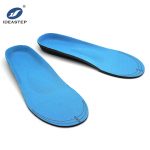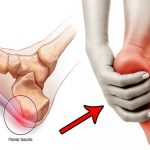
A shoe insert is no longer just a simple cushioning layer placed inside footwear. With advances in foam technology, material engineering, and foot support design, modern shoe inserts insoles are developed to balance comfort, stability, durability, and fit for different footwear applications.
For everyday users, the main concern is usually whether an insole can make shoes feel more comfortable. However, for footwear brands, distributors, and professional foot care companies, choosing the right insole involves deeper considerations, including material selection, structural design, production consistency, and customization capability.
As an experienced insole manufacturer, we understand that a high-quality insole is created through the right combination of materials, design features, and manufacturing processes. This guide explains how shoe inserts are developed, what affects their performance, and how businesses can select the right solution for their markets.
What Are Shoe Inserts Insoles?
Shoe inserts insoles are removable footbeds placed inside footwear to improve comfort, support, and overall wearing experience. Depending on the design purpose, they can range from basic comfort inserts to advanced functional insoles developed for sports, work footwear, and professional foot care applications.
Unlike standard factory insoles that mainly provide basic cushioning, functional shoe inserts are designed with specific material combinations and structural features to address different requirements.
Common functions include:
- Providing additional cushioning under the foot
- Supporting the natural shape of the foot
- Improving footwear fit
- Helping distribute plantar pressure more evenly
- Enhancing long-term wearing comfort
How Are High-Quality Shoe Inserts Designed?
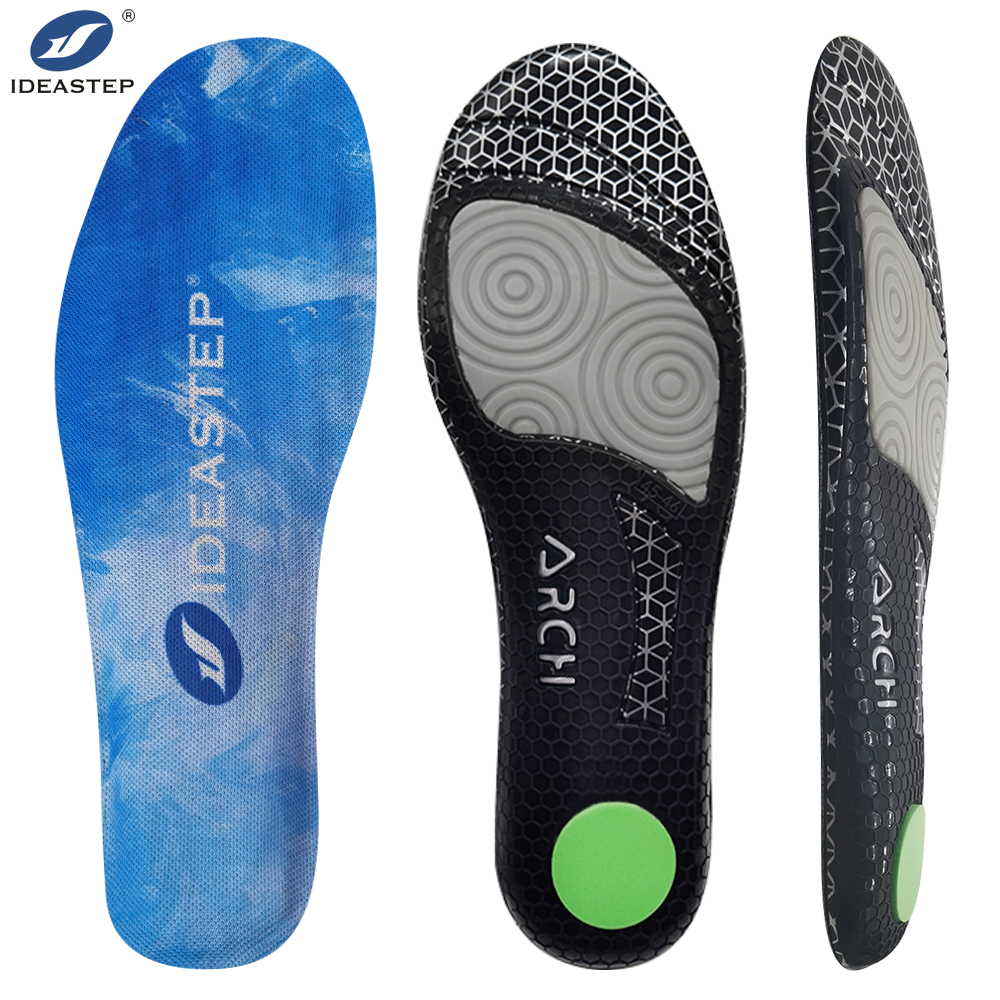
Developing a reliable shoe insert requires more than selecting a soft foam material. Manufacturers need to balance several performance factors, including cushioning, support, flexibility, compression resistance, and durability.
A professional insole development process usually considers:
- Material properties and foam formulation
- Hardness and density selection
- Foot support structure
- Layer combination design
- Production consistency
For example, a comfort-focused insole may use softer foam layers to improve underfoot feeling, while a support-oriented product may include firmer components to improve structural stability.
Key Materials Used in Shoe Inserts Insoles
Material selection has a direct impact on insole performance. Different materials provide different advantages, which is why manufacturers often combine multiple layers to achieve the desired balance.
EVA Foam Insoles: Lightweight Cushioning and Flexible Performance
EVA Foam Insoles are widely used in footwear because EVA offers a good balance between lightweight construction, flexibility, and shock absorption.
During manufacturing, EVA performance is influenced by several factors:
- Density: affects support level and durability.
- Hardness: influences softness, stability, and underfoot feeling.
- Compression resistance: determines how well the foam maintains performance over time.
- Rebound rate: affects energy response and comfort.
By adjusting EVA formulation and processing methods, manufacturers can develop different insole solutions for casual footwear, sports shoes, work boots, and customized applications.
PU Foam for Comfort-Oriented Applications
PU foam is often selected when a softer feel and long-lasting comfort are important. It provides a different cushioning experience compared with EVA and is commonly used in comfort-focused footwear products.
TPU Components for Structural Support
TPU is frequently used as a support component because of its strength, resilience, and durability. In functional insole designs, TPU structures can help improve stability while maintaining flexibility.
How Shoe Inserts Improve Comfort and Support
1. Cushioning Design for Daily Wear
Every step creates impact between the foot and the ground. Cushioning materials inside shoe inserts help absorb and manage these forces, improving comfort during walking, standing, and daily activities.
However, effective cushioning is not simply about using softer materials. If an insole is too soft, it may lack support. If it is too firm, it may reduce comfort. The best designs achieve a balance between softness and structural support.
2. Arch Support for Better Stability
The arch area plays an important role in foot stability. Well-designed Arch Support Insoles use carefully shaped support zones to match the natural contour of the foot.
Manufacturers can adjust arch support performance through:
- Material hardness selection
- Support layer thickness
- Contoured footbed design
- Combination of flexible and rigid components
3. Foot Pressure Distribution Through Layer Design
One important consideration in insole development is how pressure is managed across different areas of the foot.
Professional designs often focus on:
- Heel cushioning zones
- Arch support areas
- Forefoot comfort sections
By combining different materials and densities, manufacturers can create a more balanced structure that improves overall wearing comfort.
Choosing the Right Shoe Inserts for Different Applications
Everyday Footwear
Daily comfort insoles usually focus on lightweight construction, cushioning, and flexibility. They are commonly used in casual shoes, walking shoes, and lifestyle footwear.
Sports Footwear
Sports shoe inserts require stronger attention to rebound performance, stability, and durability because they experience repeated movement and impact.
Common considerations include:
- Energy response
- Material recovery
- Breathability
- Long-term durability
Work Boots and Safety Footwear
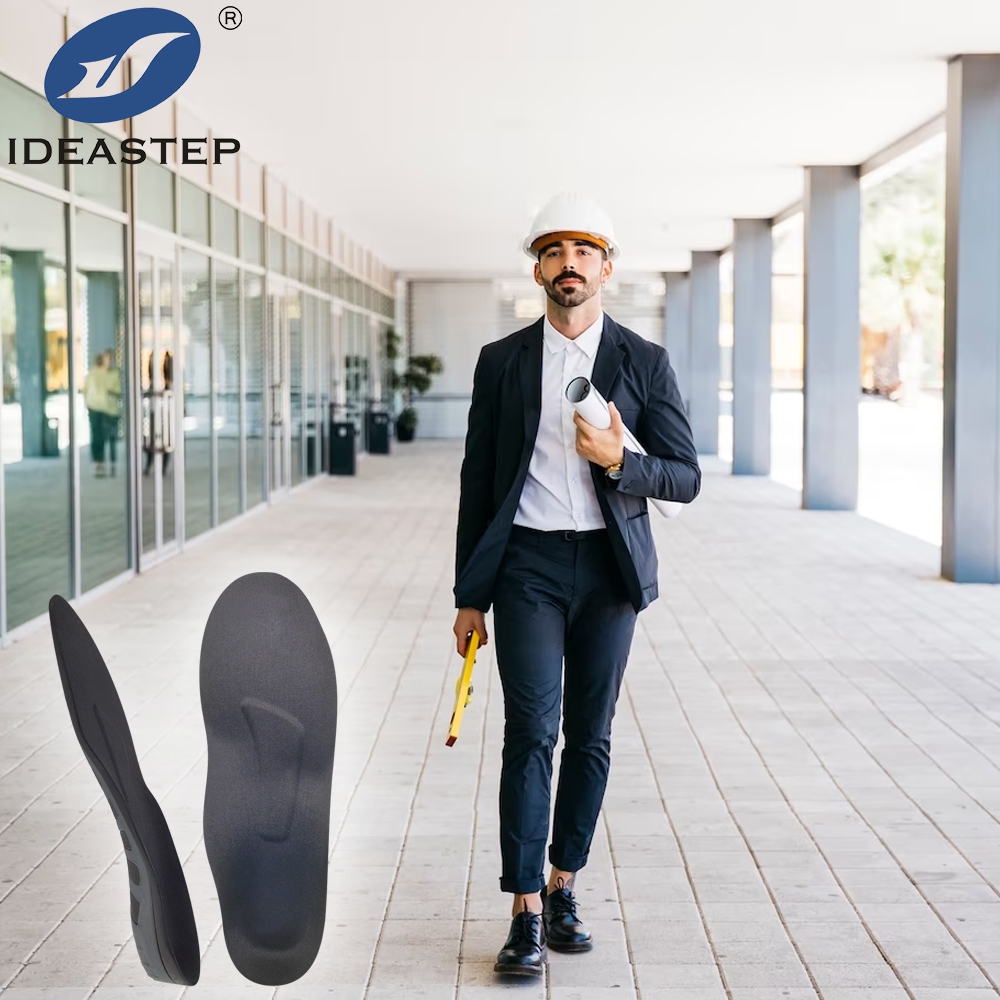
For workers who stand or walk for extended periods, shoe inserts need to maintain comfort throughout the working day.
Important features include:
- Compression resistance
- Durable foam structure
- Stable support performance
Professional Foot Care Applications
In professional foot care markets, companies often require more specialized solutions, including Orthotic Insoles and customized support products.
These applications typically require greater attention to design accuracy, material selection, and manufacturing experience.
Shoe Inserts Insoles vs Custom Orthotic Insoles
Although both products are designed to improve footwear support, they serve different market needs.
| Feature | Shoe Inserts Insoles | Custom Orthotic Insoles |
|---|---|---|
| Design Approach | Standard or semi-custom solutions | More personalized support designs |
| Main Purpose | Comfort and general support | Specific functional support requirements |
| Typical Users | General consumers, athletes, workers | Professional foot care applications |
| Production Complexity | Suitable for scalable production | Requires more advanced customization |
Why Footwear Brands Choose Custom Shoe Inserts
For footwear companies and distributors, customized insoles provide an opportunity to create differentiated products and meet specific customer requirements.
A reliable supplier can support:
- Custom material combinations
- Hardness and density adjustment
- Product appearance customization
- Private label solutions
- OEM and ODM development
From initial concept development to mass production, experienced manufacturers help customers reduce development risks and maintain consistent product quality.
What Should Businesses Look for in an Insole Manufacturer?
Selecting an insole supplier is not only about comparing prices. Long-term cooperation depends on technical capability, production reliability, and customization support.
Important evaluation factors include:
- Experience in footwear insole manufacturing
- Material development capabilities
- Quality control systems
- OEM and ODM service capability
- Stable production capacity
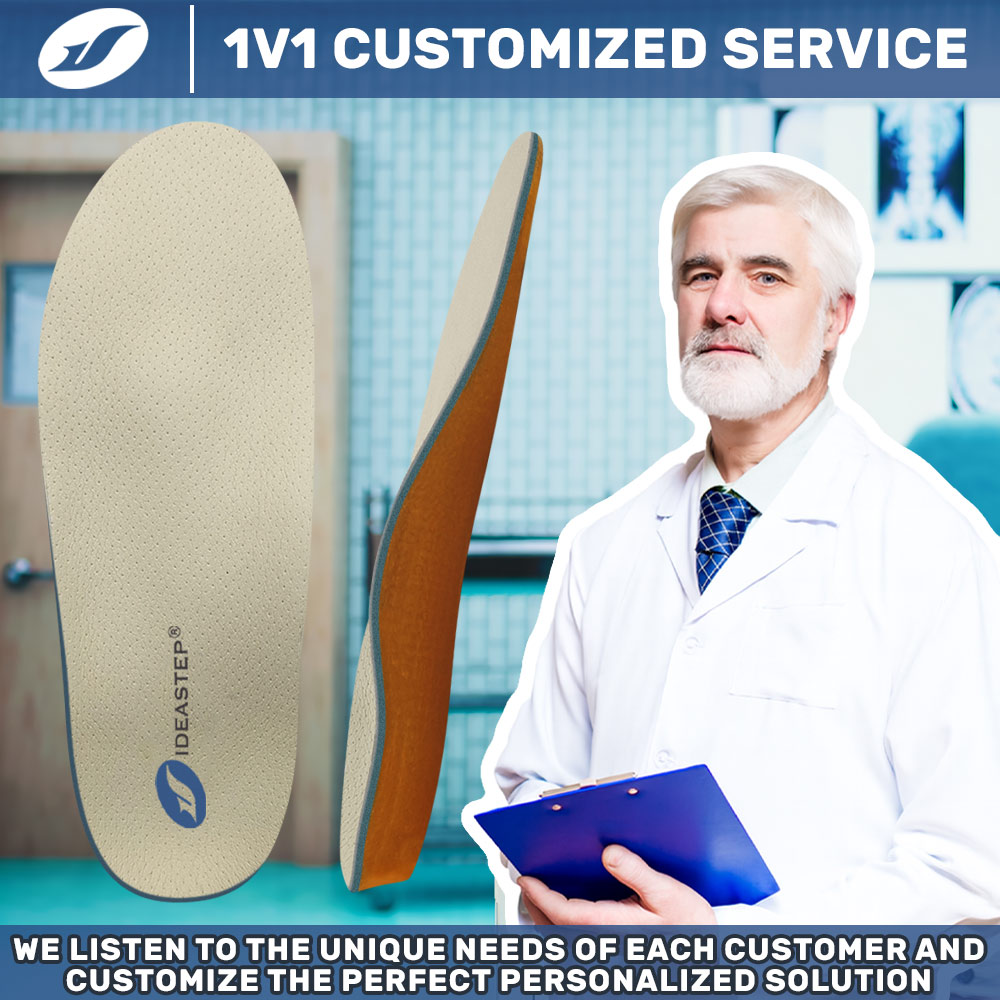
Ideastep specializes in custom insole solutions, providing Custom Shoe Inserts, orthotic products, and EVA-based footwear solutions for global brands, distributors, and professional foot care companies.
With experience in EVA foam technology, material selection, and customized manufacturing, Ideastep supports partners from product development through bulk production.
Frequently Asked Questions About Shoe Inserts Insoles
What materials are commonly used in shoe inserts?
Common materials include EVA foam, PU foam, TPU components, fabric covers, and other functional materials. The final material combination depends on the required cushioning, support, and durability.
Are EVA Foam Insoles suitable for daily footwear?
Yes. EVA Foam Insoles are widely used in daily footwear because they provide lightweight cushioning, flexibility, and customizable hardness options.
Can manufacturers provide private label shoe inserts?
Yes. Experienced manufacturers can provide private label solutions including customized designs, materials, branding, and packaging based on customer requirements.
How long do shoe inserts usually last?
The lifespan depends on material quality, usage environment, product structure, and frequency of use. Higher-quality materials and proper manufacturing processes generally provide better durability.
Related product links: https://www.aideastep.com/product/ideastep-d-061-dynamic-comfort-insole/.