Flat feet are a common foot condition also known as flatfoot or pes planus. This condition occurs when the medial arch becomes lower than normal or disappears during standing. As a result, most or all of the sole may touch the ground.

What Causes Flat Feet?
The human foot has a natural arch that helps support body weight and absorb impact during movement. The tarsal and metatarsal bones work with the plantar ligaments, tendons, and muscles to maintain this structure. Together, these components provide stability, improve flexibility, and help protect the nerves and blood vessels in the sole.
However, an arch that is too high or too low can affect foot function. A low arch may lead to flat feet. The condition generally develops due to congenital or acquired factors.
Congenital Flat Feet
Congenital flat feet may develop because of inherited factors or differences in the development of the foot bones, muscles, and connective tissues. These structural characteristics can affect the formation and stability of the arch.
Acquired Flat Feet
Acquired flat feet often develop during adulthood. Poor walking habits, unsuitable footwear, obesity, tendon degeneration, and prolonged mechanical stress may contribute to the condition. Over time, these factors can weaken the structures that support the arch, causing it to gradually flatten and lose some of its shock-absorbing function.
How to Identify Flat Feet
1. Check Footprints
Footprints offer a simple way to observe the shape of the arch. A footprint with little or no visible inward curve may indicate flat feet. However, this method cannot confirm the diagnosis or determine its severity on its own.
2. Seek a Professional Assessment
A healthcare professional can assess foot posture, walking patterns, lower-limb alignment, and joint mobility. During walking, some people with flat feet may show heel eversion or outward-pointing toes. A professional examination helps determine whether these features affect foot function.
What Problems Can Flat Feet Cause?
Flat feet are common during childhood, and some children have flexible flat feet without pain or functional limitations. However, persistent symptoms or changes in walking patterns may require professional assessment. Parents should not assume that every case needs correction, but they should pay attention to pain, fatigue, and movement difficulties.
Flat feet may develop when changes in bone structure, muscle function, ligaments, or connective tissues reduce the height of the longitudinal arch. In some children, this condition may affect balance and movement efficiency. Consequently, activities such as running, dancing, hiking, and performing more demanding movements may become uncomfortable.
Children with symptomatic flat feet may experience foot fatigue during long walks or hikes. Some may also develop discomfort in the feet or ankles after prolonged activity. If these symptoms persist, a healthcare professional can evaluate the child’s foot development and recommend suitable management options.
Ankle Orthopedic Center
The ankle orthopedic center uses advanced equipment to assess foot structure and movement. Its facilities include full-foot 3D scanning equipment, gait analysis systems, and plantar pressure testing systems. In addition, specialized design software, CNC machining centers, and 3D printing equipment support the design and production of customized orthopedic insoles and related products.
These technologies support a range of services, including professional assessment, testing, product design, and manufacturing. The center aims to coordinate these services with established international practices.
The ankle orthopedic center also operates as a registered medical device production and sales enterprise. According to its stated qualifications, it has obtained medical device GMP certification and provides products with medical device registration certificates. These services support patients and medical institutions that require relevant orthopedic products.
How Can Flat Feet Be Managed?
The appropriate approach depends on the person’s age, symptoms, foot flexibility, and the underlying cause. A professional assessment can help determine whether the arch returns when the foot bears less weight. This distinction helps identify flexible flat feet and guides decisions about treatment.
Exercises and Rehabilitation
For flexible flat feet, rehabilitation often focuses on strengthening the muscles that support the arch and improving foot control. Suitable exercises may include:
- Foot sensory exercises: Walking on safe, varied surfaces can help stimulate the soles of the feet.
- Toe exercises: Toe presses and towel-gripping exercises can strengthen the small muscles in the feet.
- Short-foot exercises: Gently drawing the forefoot toward the heel helps activate the muscles that support the arch.
- Resistance exercises: Resistance bands can help strengthen the muscles involved in ankle movement and foot control.
- Balance training: Single-leg standing can improve balance and body awareness. Perform eyes-closed variations only when it is safe to do so.
- Gait training: A qualified professional can recommend walking exercises to improve movement patterns and foot control.
Exercise selection should match the individual’s abilities and symptoms. For children, parents should also encourage age-appropriate movement and seek professional advice if walking difficulties or pain continue.
Orthopedic Shoes and Insoles
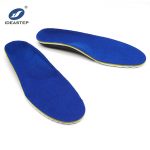
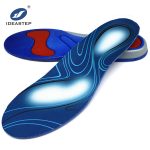
Orthopedic shoes and arch-support inserts can provide additional support and help distribute pressure across the foot. Their design should suit the person’s foot structure, activity level, and comfort needs. For people with persistent symptoms, a healthcare professional can recommend appropriate footwear or orthotic options.
When Is Surgery Considered?
Doctors may consider surgery when conservative treatments fail to relieve significant symptoms or when the underlying structural problem requires surgical correction. Depending on the case, procedures may involve soft-tissue repair, calcaneal osteotomy, other bone realignment techniques, or subtalar joint procedures.
However, surgery carries potential risks, including complications related to joint alignment and movement. Long-term outcomes can also vary depending on the procedure and the individual. Therefore, patients should discuss the expected benefits, risks, recovery process, and alternatives with a qualified orthopedic specialist before making a decision.