Early diagnosis and treatment are important for foot deformities. If the condition is not addressed at the right time, later treatment may not fully restore normal foot function. Today, we will explain the causes, affected groups, and treatment options for foot eversion.
1. What Is Foot Eversion?
Foot eversion is an outward movement of the foot. In some cases, it is associated with structural abnormalities or underdeveloped supporting tissues. The condition may also occur alongside a collapsed navicular bone and changes in the medial arch.
In affected individuals, the lower leg, Achilles tendon, and heel may show changes in alignment. These changes can also affect the position of the ankle and foot.
One sign worth observing is uneven sole wear. For example, the inner and outer edges of a shoe sole may wear at different rates. However, sole wear alone cannot confirm a foot deformity.
2. What Causes Foot Eversion?
Foot eversion may be congenital or acquired. The underlying causes vary from person to person.
Congenital Causes
Congenital foot eversion may be associated with inherited factors or differences in foot development. Other contributing factors may include muscle imbalances and pressure on the fetus during pregnancy.
Acquired Causes
Acquired foot eversion can develop for several reasons. These include muscle weakness, ligament laxity, previous injuries, and changes in foot mechanics.
In addition, body weight and habitual movement patterns may influence the load placed on the feet. However, these factors do not affect everyone in the same way.
Foot eversion may occur alongside excessive foot pronation and increased pressure along the medial arch. For this reason, it can be associated with flat feet. Without appropriate assessment and management, the associated foot mechanics may worsen over time and affect walking patterns.
3. Who Is Affected by Foot Eversion?
Foot eversion can affect both children and adults. Some children have congenital foot alignment differences. Meanwhile, adults may develop the condition following fractures, ligament injuries, or other changes in the supporting structures of the foot.
4. Treatment Options for Children
Early assessment is important when a child shows signs of persistent foot eversion. As the child grows, changes in foot alignment may become more noticeable under repeated loading.
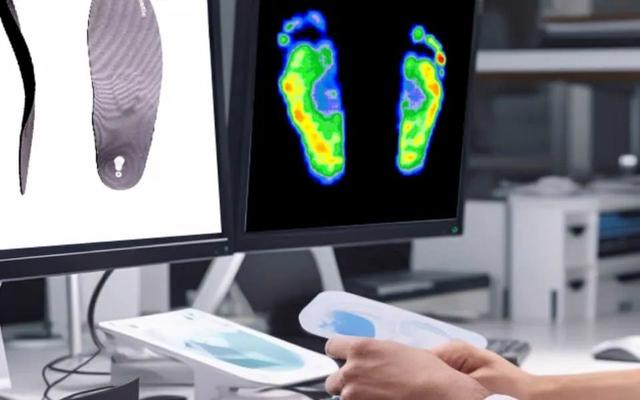
Depending on the cause and severity, a healthcare professional may recommend suitable footwear or orthotic insoles. These options can help support foot positioning and provide cushioning for the arch.
In addition, appropriate orthotic support may help manage foot alignment during growth. However, the results depend on the child’s condition, age, and the flexibility of the foot.
If structural changes have already developed, conservative treatment may not fully restore the foot’s original shape. Even so, an appropriate treatment plan may help manage symptoms and limit further functional problems.
5. Treatment Options for Adults
Treatment for adults depends on the underlying cause and severity of the deformity. Some people benefit from conservative approaches, including suitable footwear, orthotic support, and professional rehabilitation.
For more severe or rigid deformities, a specialist may consider surgery. The specific procedure depends on the structures involved and the individual’s clinical assessment.
Soft Tissue Procedures
Soft tissue surgery may address imbalances in the structures that support the foot. For example, a surgeon may tighten stretched tissues or release contracted structures when clinically appropriate.
Additionally, tendon procedures may help improve muscle balance and foot alignment. The choice of technique depends on the patient’s specific condition.
Bone and Joint Procedures
When the deformity involves significant structural changes, a surgeon may consider procedures that realign or stabilize the affected joints. Options may include subtalar joint fusion or other corrective bone and joint procedures.
However, not every patient requires surgery. A qualified specialist must assess the foot structure, symptoms, joint mobility, and response to non-surgical treatment before recommending an operation.
6. Goals of Surgical Correction
The main goal of surgical correction is to improve foot alignment and address the underlying deformity. Depending on the case, treatment may also aim to improve the position of the subtalar joint and correct associated outward deviation.
Furthermore, correcting the position of the navicular bone may help improve coverage and alignment within the midfoot. When flat feet occur alongside foot eversion, the surgical plan may also address the collapsed medial longitudinal arch.
Ultimately, treatment should be tailored to the individual’s condition. Early professional assessment can help identify suitable options and clarify whether conservative care or surgery is appropriate.