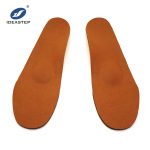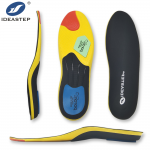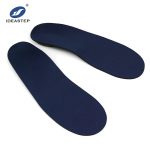
In the orthotic insoles manufacturing industry, the Minimum Order Quantity (MOQ) is a critical factor for B2B procurement and supply chain management. For medical device companies, rehabilitation brands, and insole distributors, MOQ impacts cost, inventory management, and customization flexibility. This guide provides a complete overview of MOQ concepts, influencing factors, typical ranges, negotiation strategies, cost considerations, and best practices for B2B buyers.
What is MOQ and Why It Matters
MOQ is the minimum quantity a supplier requires per order, ensuring production efficiency and supply chain stability. Understanding MOQ helps businesses:
- Control costs: Larger orders often reduce unit cost by spreading material and production expenses.
- Optimize inventory: Reasonable MOQ helps avoid overstocking or stockouts.
- Enhance customization flexibility: Smaller batches allow more personalized options, while larger batches suit standardized products.
- Strengthen supplier partnerships: Proper MOQ ensures stable production and on-time delivery.
Mastering MOQ allows companies to balance cost, inventory, and customization effectively.
Key Factors Affecting MOQ
1. Material Type
Different materials affect MOQ requirements:
- EVA Insoles: Lightweight, soft, excellent cushioning. Mature production process, suitable for large-scale orders. Typical MOQ: 500-1000 pairs.
- PU/TPU Insoles: Durable and suitable for high-intensity use. Medium MOQ: 300-800 pairs.
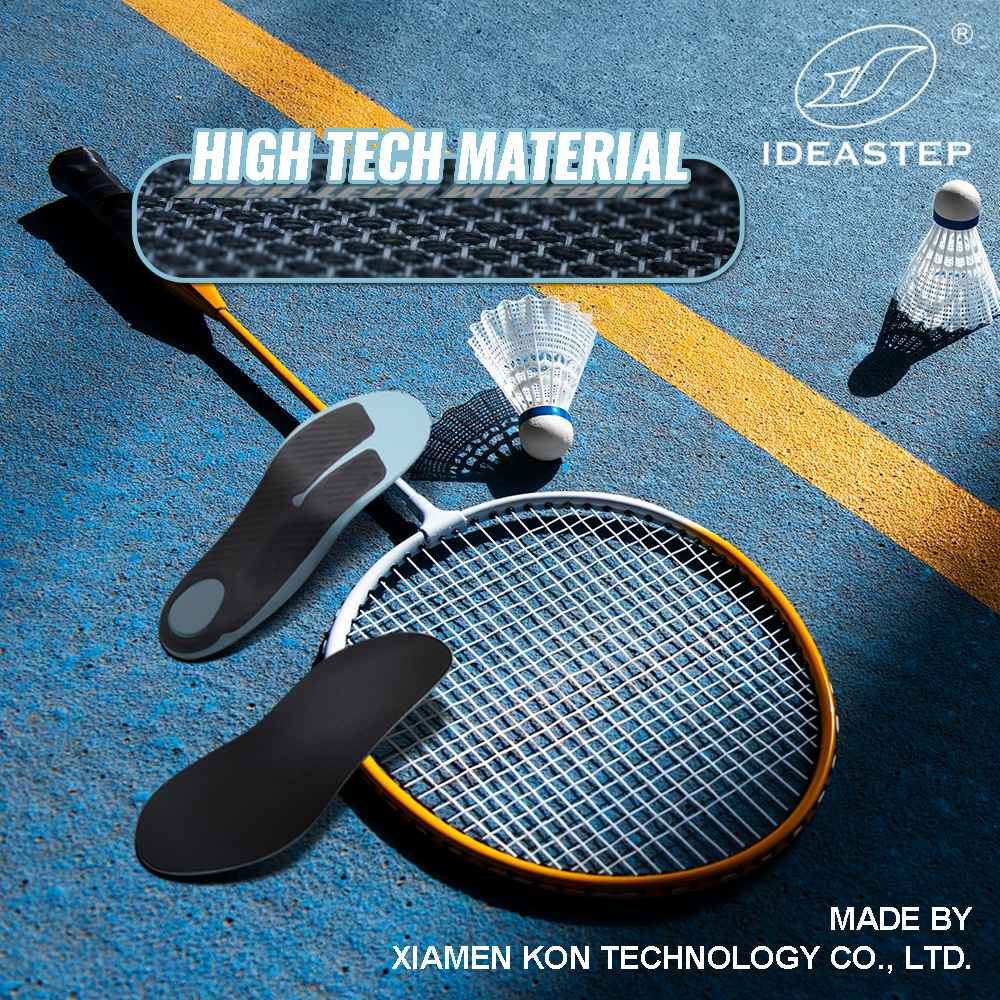
- Carbon Fiber Insoles: Lightweight, high strength, ideal for high-end medical or sports insoles. Small batch customization, MOQ: 50-200 pairs.
2. Production Process
- Injection molding: Suitable for large-scale production, lower unit cost.
- Compression molding: More complex, medium MOQ.
- Handmade custom insoles: Supports small batches, higher cost.
3. Level of Customization
Customization factors such as hardness, thickness, size, and logo affect MOQ. Highly personalized orders often require dedicated molds or production lines, increasing MOQ.
4. Supplier Capacity
Factory scale, equipment, and production shifts influence MOQ. Large factories can accommodate orders of a few hundred pairs, while smaller factories may require larger batches.
Typical MOQ Ranges for Orthotic Insoles
| Material/Process | MOQ Range | Application |
|---|---|---|
| EVA Insoles | 500-1000 pairs | Daily care insoles, standardized large-scale products |
| PU Insoles | 300-800 pairs | High resilience insoles, sports applications |
| TPU Insoles | 200-600 pairs | High-performance insoles, high-end customization |
| Carbon Fiber Insoles | 50-200 pairs | High-end medical or sports insoles, small batch custom orders |
| OEM Custom Insoles | Flexible based on material and specifications | Brand customization, MOQ negotiable |
Different material and process combinations will affect the final MOQ. Companies should plan procurement according to brand positioning and market demand.

How to Negotiate MOQ with Suppliers
- First-time cooperation: Start with a small trial order to verify quality and delivery capabilities.
- Long-term partnership: Sign long-term contracts to receive bulk discounts.
- Evaluate supplier flexibility: Choose partners supporting small batches or split production.
- Reduce inventory pressure: Implement staggered delivery to avoid excessive stock.
Effectively negotiating MOQ helps companies reduce procurement risks while maintaining customization flexibility.
Cost Considerations Related to MOQ
- Unit Cost: Unit cost = (Material cost + Production cost) ÷ Order quantity + Logistics. Larger orders reduce per-unit cost.
- Logistics & Storage: Large orders require more warehouse space and transportation planning.
- Customization vs. Cost: Highly customized small-batch orders may have higher unit costs than standard insoles.
B2B buyers should balance MOQ, cost, and customization to maximize procurement efficiency.
Best Practices for B2B Buyers
- Clearly define brand requirements and product specifications.
- Build long-term partnerships with suppliers and negotiate flexible MOQ.
- Plan production batches based on market demand and sales forecasts.
- Consider materials, production process, inventory, and cost for strategic procurement.
Scientific evaluation and strategic planning allow companies to ensure product quality while optimizing inventory and procurement costs.
Conclusion
MOQ is a critical factor in orthotic insoles manufacturing, influenced by material type, production process, customization level, and supplier capacity. Companies should systematically evaluate these factors and optimize MOQ through negotiation, staggered delivery, and long-term cooperation strategies.
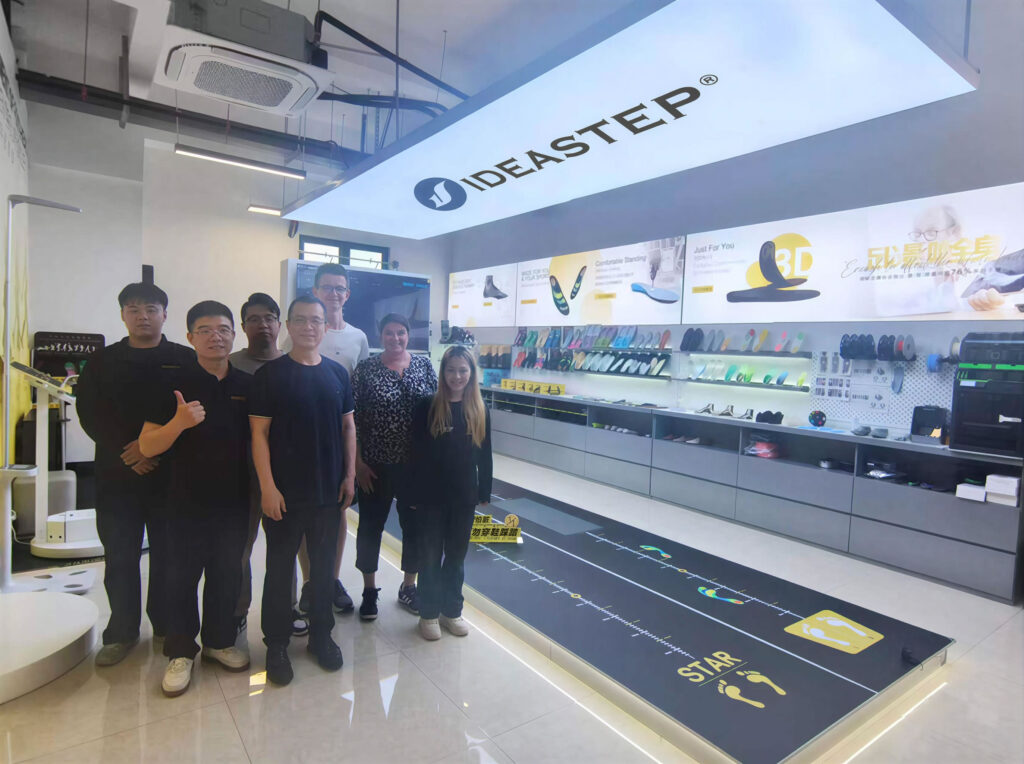
For companies seeking professional OEM partners, Ideastep offers flexible MOQ solutions and high-quality custom insoles manufacturing. Leveraging advanced materials, strict quality control, and B2B professional support, we help brands achieve efficient procurement and customization.
Interested in samples, pricing, or customization timelines? Contact Ideastep today to quickly launch your premium orthotic insoles project.