In the medical and rehabilitation industry, diabetes insoles wholesale plays a key role for distributors and brand companies. Wholesale not only affects procurement costs and inventory management, but also determines the flexibility of brand customization and the stability of the supply chain. This guide covers wholesale concepts, influencing factors, typical MOQ and price ranges, supplier selection, cost considerations, and B2B best practices, helping companies make informed procurement decisions.
What is Diabetes Insoles Wholesale and Why It Matters
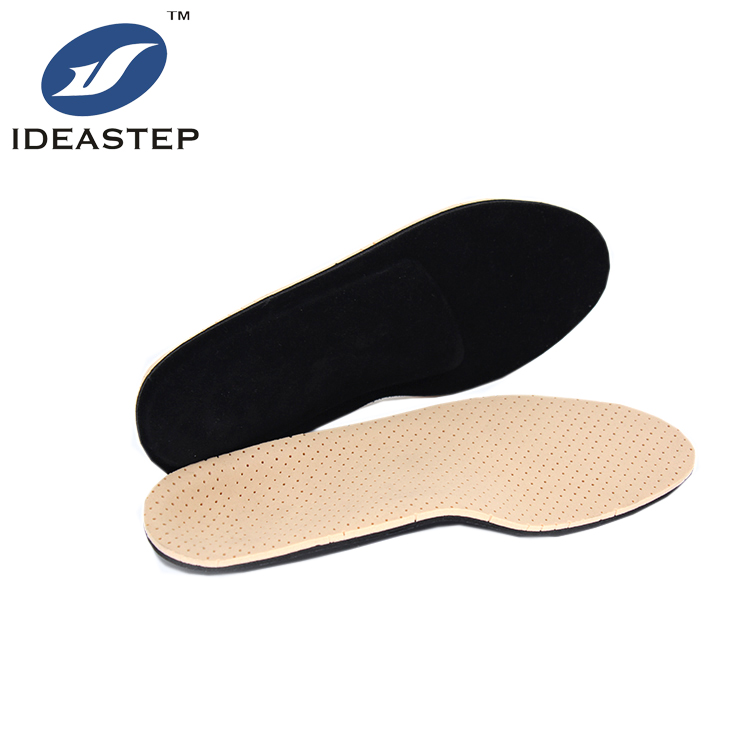
Diabetes insoles wholesale refers to purchasing products in bulk from manufacturers or OEM factories. Its significance includes:
- Cost optimization: Large orders help spread material and production costs, reducing unit price.
- Inventory management: Proper wholesale quantity prevents overstock or stockouts.
- Customization flexibility: Small batches allow personalized options, while large batches suit standard products.
- Supply chain stability: Adequate order quantity ensures timely production and delivery.
Understanding wholesale operations enables B2B companies to balance cost, inventory, and customization efficiently.
Key Factors Affecting Wholesale Prices and MOQ
Material Type
Material choice significantly affects wholesale price and MOQ:
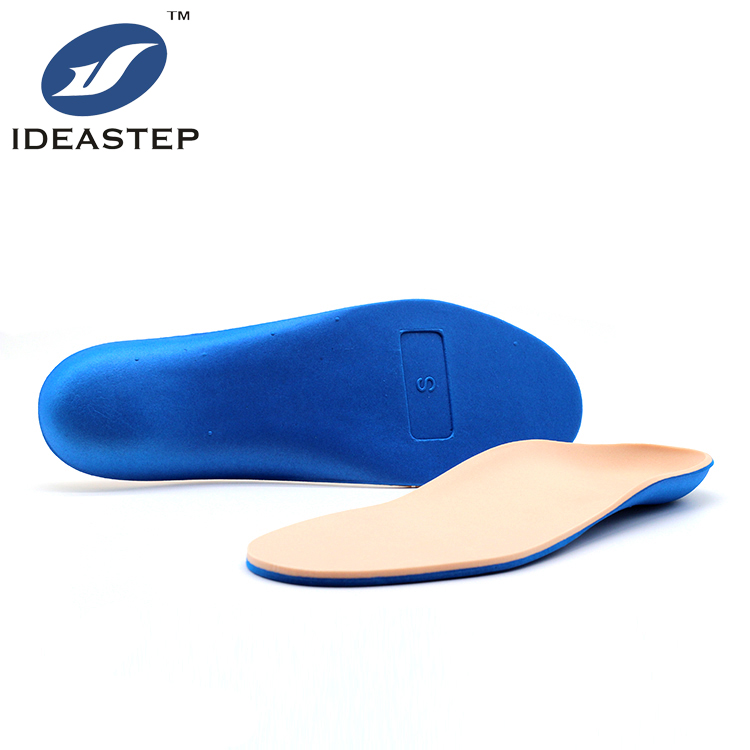
- EVA insoles: Lightweight, soft, and shock-absorbing; mature production, suitable for large orders, MOQ: 500-1000 pairs.
- PU/TPU insoles: Durable and high-intensity use, medium MOQ: 300-800 pairs.
- Carbon fiber insoles: Lightweight, high strength, suitable for high-end custom orders, MOQ: 50-200 pairs.
Production Process
- Injection molding: Efficient for large-scale production, low unit cost.
- Compression molding: More complex, medium MOQ.
- Handmade custom insoles: Supports small batches, higher unit cost.
Customization Level
Customization such as size, hardness, thickness, and logo can increase MOQ. Highly personalized orders may require dedicated molds or production lines.
Supplier Capacity
Factory scale, equipment, and production shifts influence MOQ. Large factories may support hundreds of pairs per order, while smaller factories may require larger minimums.
Typical Wholesale MOQ and Price Ranges
| Material/Process | MOQ | Wholesale Features |
|---|---|---|
| EVA Insoles | 500-1000 pairs | Daily care insoles, standardized products for large orders |
| PU Insoles | 300-800 pairs | High-resilience insoles suitable for sports and rehabilitation |
| TPU Insoles | 200-600 pairs | High-performance insoles for high-end customization |
| Carbon Fiber Insoles | 50-200 pairs | High-end medical or sports insoles, small batch custom orders |
| OEM Custom Insoles | Flexible | MOQ negotiable, suitable for brand customization |
Material and production combinations will affect final MOQ. Companies should plan procurement according to market demand and brand positioning.
How to Choose a Reliable Supplier
- Certification and credibility: Check factory qualifications and quality management certifications (ISO 13485/ISO 9001).
- Production capacity: Ensure suppliers can meet bulk order volume and delivery deadlines.
- Quality inspection: Request samples to verify materials and craftsmanship.
- Negotiation strategy: Optimize MOQ and pricing through supplier negotiation.
- Long-term partnership: Select partners offering continuous supply and technical support.
A reliable supplier is crucial for product quality and market competitiveness.
Cost Considerations for Bulk Purchases
- Unit cost calculation: Unit cost = (Material + Production) ÷ Order quantity + Logistics + Taxes.
- Bulk advantages: Larger orders reduce unit cost and improve cash flow efficiency.
- Inventory management: Proper batch planning minimizes storage pressure.
- Customization vs standard products: Highly customized small batches may have higher unit costs.
Understanding cost structure helps B2B buyers achieve maximum ROI on bulk purchases.
B2B Best Practices for Distributors and Brands
- Plan procurement based on market demand and sales forecasts.
- Use flexible batch orders to reduce inventory pressure and optimize cash flow.
- Build long-term supply chain partnerships to lower costs and secure supply.
- Balance cost efficiency with customization needs.
Strategic wholesale planning enables companies to achieve an optimal balance between cost, inventory, and customization flexibility.
Conclusion
Diabetes insoles wholesale is a crucial step for distributors and brands. Influencing factors include material type, production process, customization level, and supplier capacity. Companies should plan procurement strategies considering market demand, cost, and inventory management.
For businesses seeking professional OEM cooperation and flexible MOQ, Ideastep provides high-quality diabetes insoles wholesale and customization services, helping brands achieve efficient procurement and rapid market response.
Interested in samples, pricing, or OEM customization? Contact Ideastep today to start your diabetes insoles wholesale and customization project.
Interested in Diabetes insoles? You can read more here:Diabetes insoles