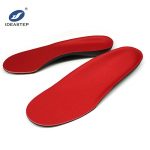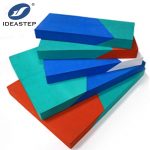
High density EVA foam sheets are commonly specified in industrial procurement where structural stability, controlled cushioning, and long-term compression resistance are required. In most production environments, they are not selected simply for softness, but for their ability to maintain performance under repeated load conditions across different applications such as footwear, packaging, and industrial components.
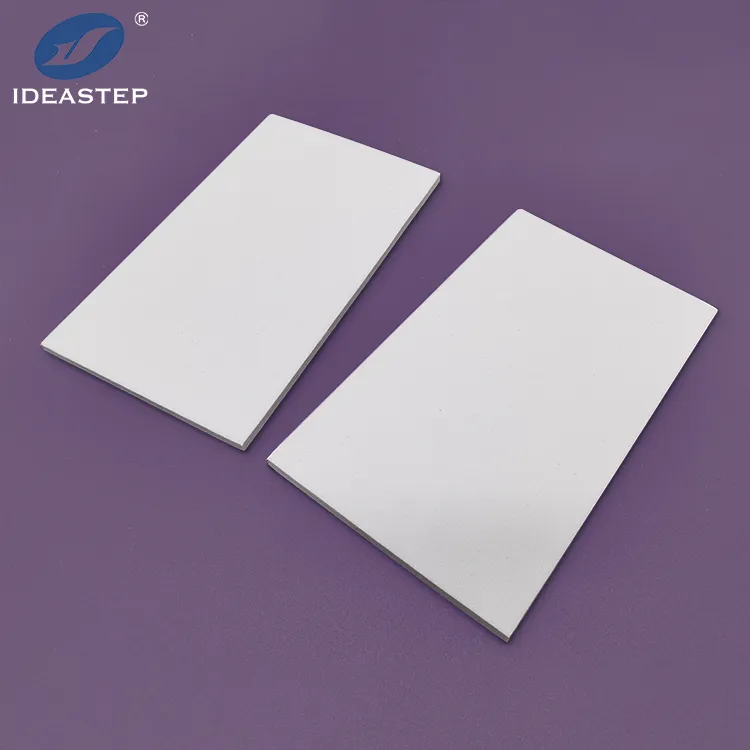
What High Density EVA Foam Sheets Mean in Industrial Practice
In industrial terms, “high density” EVA foam refers to a tighter closed-cell structure with increased material mass per unit volume. This structural difference is not only a material specification, but also a performance indicator used in manufacturing decisions.
In practice, this typically translates into better load distribution, reduced compression set, and more stable long-term mechanical behavior compared to standard EVA foam grades. For this reason, high density EVA foam sheets are often selected when consistency under pressure is more important than softness.
Key Performance Characteristics of High Density EVA Foam Sheets
High density EVA foam is selected in manufacturing because it provides predictable and stable performance across repeated usage cycles.
Compression Resistance and Shape Stability
The material is designed to maintain structural integrity under continuous or repeated compression. In real production use, this helps reduce permanent deformation in finished products such as insoles, pads, and protective components.
Impact Energy Absorption
The closed-cell structure allows the foam to distribute impact forces rather than concentrate them at a single point. This makes it suitable for applications where vibration control or shock reduction is required.
Dimensional Consistency in Long-Term Use
Compared with standard EVA foam, high density sheets demonstrate improved resistance to deformation over time. This is particularly important in products that are expected to maintain geometry under repeated stress.
Environmental and Moisture Resistance
Due to its closed-cell structure, the material has low water absorption and maintains stable performance in varying environmental conditions, including humidity and temperature fluctuations.
Why Density Matters More Than Thickness in Material Selection
In real procurement decisions, density is often evaluated before thickness because it directly determines mechanical behavior under load. Thickness is usually adjusted later based on product design requirements, while density defines the functional performance level of the material.
A thicker EVA foam sheet with low density may compress easily and lose structure, while a thinner high density EVA foam sheet can provide better support and longer service life in demanding applications.
Industrial Applications of High Density EVA Foam Sheets
High density EVA foam sheets are commonly specified in industrial manufacturing where durability, stability, and controlled cushioning performance are required.
Footwear and Orthotic Insole Manufacturing
In footwear production, high density EVA foam is typically used as a structural mid-layer in insoles and midsoles. It is selected when stability, rebound consistency, and long-term shape retention are prioritized over soft cushioning feel.
Protective Packaging Systems
In packaging applications, the material is widely used for protecting electronics, precision instruments, and industrial equipment. Its stable cushioning performance helps reduce damage caused by vibration, impact, and long-distance transportation.
Industrial and Automotive Components
High density EVA foam sheets are frequently used in vibration damping pads, insulation layers, and protective liners in machinery and automotive interiors where consistent performance under mechanical stress is required.
High Density EVA Foam Sheets vs Standard EVA Foam
The difference between high density and standard EVA foam is primarily related to structural performance rather than appearance.
- Structural behavior: High density EVA maintains shape more effectively under load
- Durability: It offers improved long-term resistance to deformation
- Performance stability: More consistent cushioning response over repeated use
- Application level: Suitable for engineering-grade and industrial applications
Standard EVA foam is typically used for general cushioning or low-load applications, while high density EVA foam sheets are preferred in environments where mechanical reliability is a priority.
How to Select the Right EVA Foam Density for Your Project
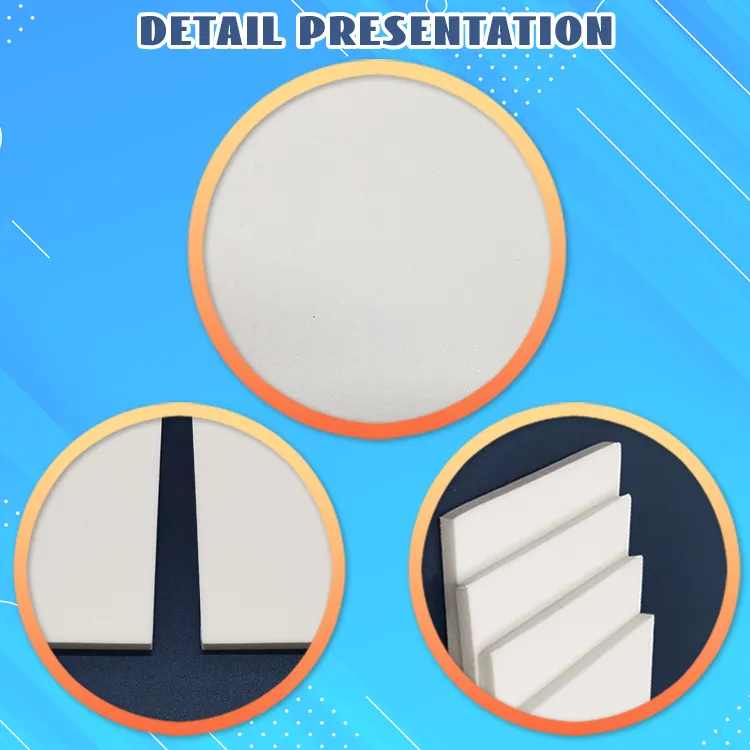
Selecting EVA foam density is a functional decision based on end-use performance rather than visual characteristics.
- Low density EVA foam: soft cushioning, surface padding, comfort-focused applications
- Medium density EVA foam: general cushioning and multi-purpose use
- High density EVA foam: structural support, industrial use, and long-term load resistance
In OEM production scenarios, density selection is usually finalized after evaluating product testing results and application requirements rather than standard catalog specifications.
Customization Options for High Density EVA Foam Sheets
High density EVA foam sheets can be customized according to technical and production requirements in OEM and industrial manufacturing projects.
Common customization parameters include density adjustment, hardness control, color matching, surface texture treatment, and lamination with textile or functional layers. The material can also be die-cut or molded into specific shapes depending on product design requirements.
In most manufacturing workflows, these parameters are adjusted to achieve target performance such as compression resistance, flexibility balance, and long-term durability stability.
Why EVA Foam Remains a Standard Material in Industrial Production
EVA foam continues to be widely adopted in global manufacturing due to its balance between performance stability, processing efficiency, and cost control.
- Stable mechanical performance across different density grades
- Compatible with mass production processes such as molding and die cutting
- Reliable cushioning and energy absorption behavior
- Flexible integration with other materials through lamination and bonding
Conclusion
High density EVA foam sheets are designed for applications where structural stability, compression resistance, and consistent cushioning performance are more important than softness alone. They are widely used in footwear manufacturing, industrial packaging, and engineering applications where material reliability directly affects product performance.
For OEM and bulk production projects, EVA foam specifications such as density, hardness, and thickness are typically finalized after application testing and sample validation to ensure alignment with end-use performance requirements.
Related product links: https://www.aideastep.com/product/camouflage-eva-foam-sheet-15/.