10mm EVA foam is widely used in footwear, sports protection, packaging, and industrial manufacturing. Its moderate thickness offers a practical balance between cushioning performance and structural flexibility, making it a versatile choice across multiple applications. Understanding what 10mm EVA foam actually means—and how it performs in real applications—helps manufacturers and buyers choose the right material for their products.
What Does 10mm EVA Foam Thickness Actually Mean?
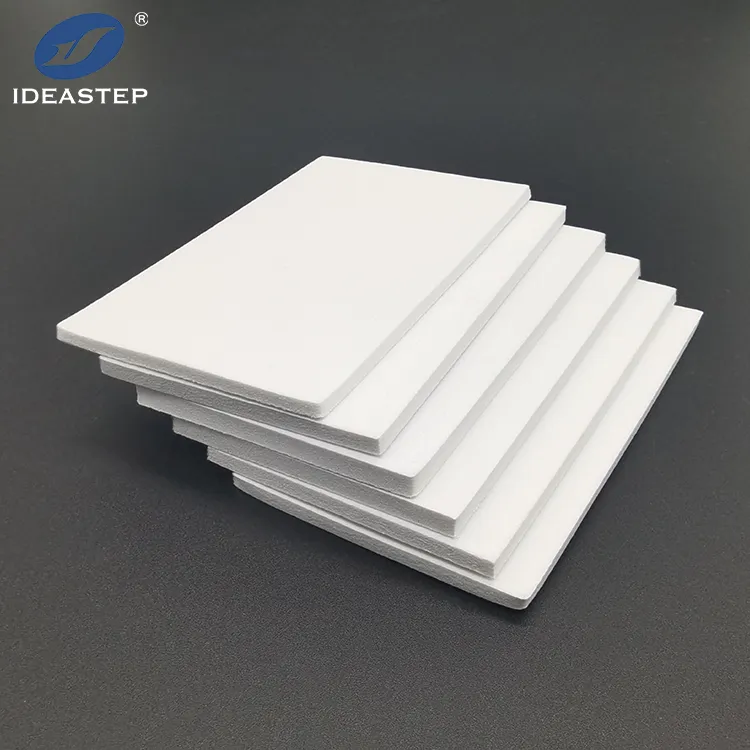
10mm EVA foam refers to a foam sheet with a physical thickness of 10 millimeters (1 centimeter). EVA (Ethylene Vinyl Acetate) is a thermoplastic, closed-cell foam material that features low density, strong impact absorption, and stable compression resistance under repeated use.
In industrial material selection, manufacturers typically use 10mm thickness as a functional cushioning layer rather than a surface padding material. It provides a practical balance between structural support and flexibility without adding excessive bulk, making it suitable for a wide range of performance-driven applications.
Is 10mm EVA Foam Thick or Thin?
From a material engineering perspective, 10mm EVA foam is classified as a medium-thickness foam grade. It sits between thin lining materials and high-density protective foams.
- 1–3mm EVA foam: surface lining, lamination layers
- 5–10mm EVA foam: cushioning, support, general protection
- 15–30mm EVA foam: high-impact protection and heavy-duty applications
This places 10mm EVA foam at the upper end of the medium range, making it one of the most versatile specifications in industrial production.
Performance Characteristics of 10mm EVA Foam
10mm EVA foam is widely selected because it delivers a balanced combination of mechanical and functional properties.
Impact Damping Performance
The closed-cell structure helps absorb and distribute impact energy, reducing stress on contact surfaces in footwear, packaging, and protective equipment.
Low-Density and Weight Efficiency
Despite its thickness, EVA foam remains lightweight, making it suitable for wearable products and applications where weight control is critical.
Compression Resistance
10mm EVA foam maintains structural stability under repeated compression, supporting long-cycle performance in industrial and consumer applications.
Flexibility and Processing Compatibility
It can be easily die-cut, laminated, thermoformed, or bonded with textiles and other functional materials.
What Affects the Performance of 10mm EVA Foam?
Not all 10mm EVA foams perform the same. Several technical factors determine its final performance in real-world applications.
Density
Higher-density EVA foam provides stronger support and longer durability, while lower-density grades offer softer cushioning and higher comfort.
Hardness
Shore hardness determines the balance between softness and structural support, which is critical in footwear and orthopedic applications.
Material Structure
Cross-linked EVA foam typically delivers improved resilience, better recovery performance, and enhanced durability compared to standard EVA formulations.
Manufacturing Process
Processes such as compression molding, lamination, and precision die-cutting influence consistency, density distribution, and final product stability.

How 10mm EVA Foam Is Used in Different Industries
Footwear and Orthotic Insoles
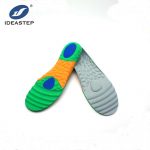
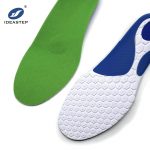
In footwear manufacturing, manufacturers commonly use 10mm EVA foam as a mid-layer cushioning material in insoles and midsoles. It enhances shock absorption while keeping the structure lightweight and comfortable.
Sports Protection Equipment
10mm EVA foam is widely applied in protective gear such as knee pads, elbow pads, and impact-resistant inserts. It effectively absorbs repeated impact forces and helps improve overall protection performance.
Packaging and Industrial Protection
In packaging and industrial applications, 10mm EVA foam protects electronics, precision instruments, and industrial components. It reduces vibration and minimizes impact damage during transportation and handling.
Medical and Orthopedic Applications
In medical and orthopedic products, manufacturers use EVA foam in support pads, rehabilitation accessories, and pressure-relief structures. Its stable cushioning properties help improve comfort and pressure distribution.
10mm EVA Foam vs Other Materials
Material selection often depends on performance balance, cost efficiency, and processing requirements.
EVA Foam vs PU Foam
EVA foam offers lower density and better structural stability, while PU foam provides softer feel but may show faster degradation under repeated load conditions.
EVA Foam vs Rubber
Compared to rubber, EVA foam is significantly lighter and easier to process, while rubber provides higher elasticity but increases overall weight and production cost.
How to Choose the Right EVA Foam Thickness
Selecting the appropriate EVA foam thickness depends on application requirements and performance expectations.
- 1–3mm: lining and surface applications
- 5–10mm: cushioning and general support
- 10mm and above: enhanced protection and structural use
Among these, 10mm EVA foam is widely regarded as a balanced specification suitable for a broad range of industrial applications. It offers an effective middle ground, avoiding unnecessary material overdesign while still maintaining reliable performance and efficiency.
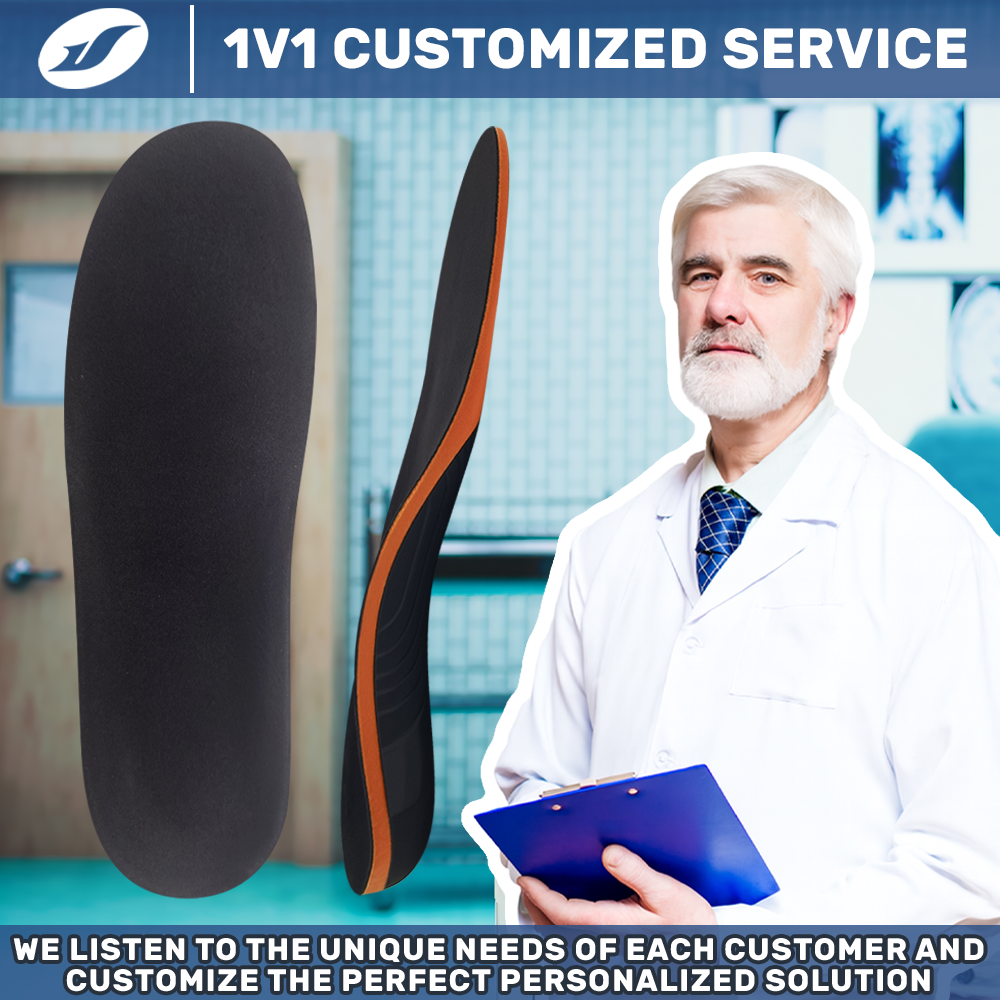
Can 10mm EVA Foam Be Customized?
Yes, we can fully customize 10mm EVA foam to meet industrial and commercial requirements. We offer common customization options such as adjusting density, tuning hardness, matching colors, modifying surface textures, and laminating textiles or other functional layers. For OEM and ODM projects, we tailor these parameters to match specific application performance targets and production specifications.
Why EVA Foam Is Widely Used in Industrial Manufacturing
EVA foam continues to be a preferred material across multiple industries due to its combination of performance and manufacturability.
- Cost-efficient compared to many technical foams
- Easy to process in mass production
- Stable cushioning and impact absorption properties
- Lightweight and versatile for multiple applications
Conclusion
10mm EVA foam delivers a strong balance of cushioning, structural stability, and processing flexibility. Its medium thickness works well across footwear, sports protection, packaging, and industrial applications that demand both comfort and durability.
For bulk orders, OEM development, or customized EVA foam solutions, manufacturers can tailor key specifications such as density, hardness, and formulation to match specific production requirements and application scenarios.