For footwear brands, healthcare companies, and foot care distributors, launching a new insole product line requires more than choosing an existing product. Brands need solutions that match their target customers, market positioning, and functional requirements.
With increasing demand for comfortable and supportive footwear products, many companies are turning to ODM custom insoles to develop unique orthotic solutions without investing heavily in their own design and manufacturing systems.
An experienced ODM partner can support the entire development process, from product concept and material selection to prototype testing and mass production.
What Are ODM Custom Insoles?
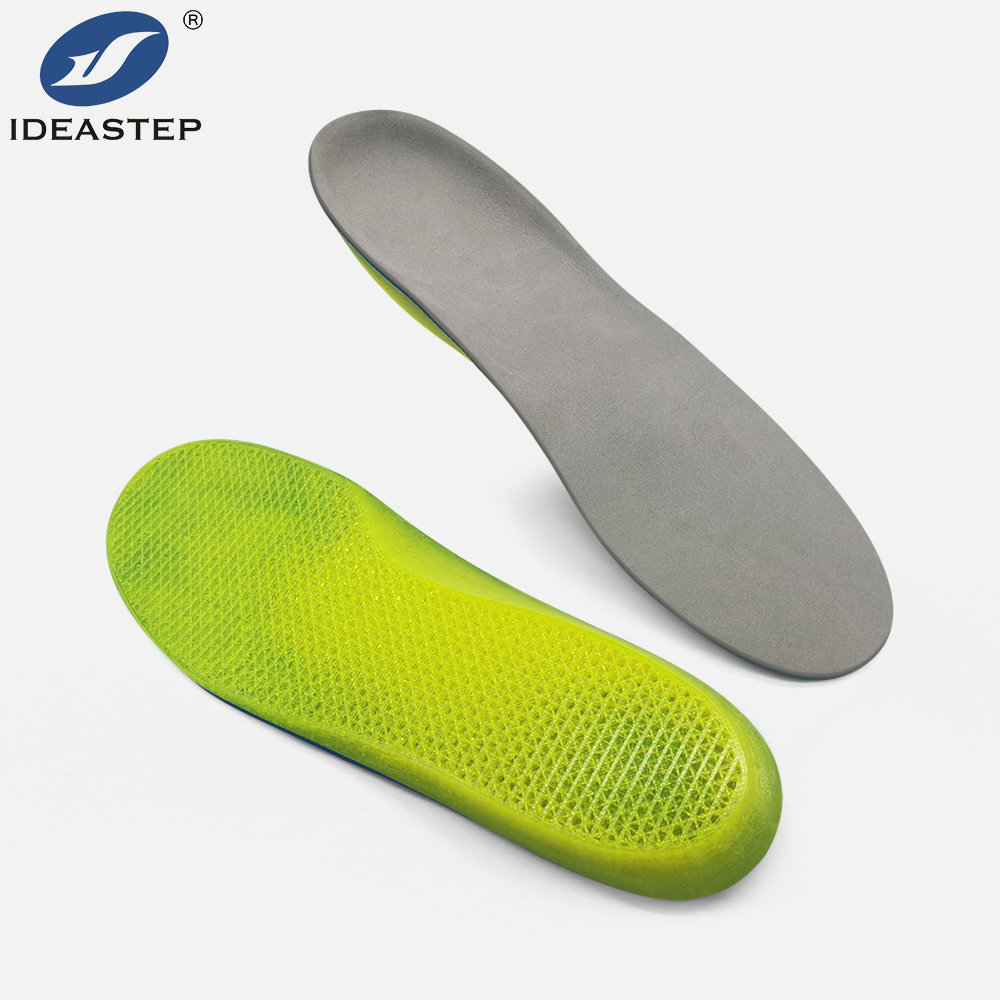
ODM custom insoles are orthotic products developed through cooperation between a brand and an experienced manufacturer.
Unlike standard private label products, ODM involves deeper participation in product development, including:
- Functional design
- Material selection
- Product optimization
- Prototype development
- Manufacturing support
This allows brands to create their own insole product line with customized features instead of competing with generic products.
ODM vs OEM vs Private Label Insoles
Understanding different cooperation models helps brands choose the right development approach.
| Type | Main Feature | Suitable For |
|---|---|---|
| ODM | Manufacturer supports product design and development | Brands creating new insole products |
| OEM | Customer provides the product design, manufacturer produces it | Companies with existing designs |
| Private Label | Existing products with customized branding | Businesses needing faster market entry |
For companies that want to build a differentiated orthotic product line, ODM usually provides more flexibility during product development.
Why Develop Your Own ODM Custom Insoles?
Create a Unique Product Line
The insole market has many similar products. A customized approach allows brands to develop products with unique advantages, such as:
- Specific arch support designs
- Different cushioning structures
- Customized materials
- Targeted applications
For example, sports brands may focus on lightweight cushioning and energy return, while healthcare companies may prioritize stability and long-term comfort.
Reduce Development Challenges
Creating an insole product independently requires expertise in:
- Foot biomechanics
- Material selection
- Product testing
- Manufacturing processes
Working with an ODM partner allows brands to use existing technical experience and production resources, making the development process more efficient.
The ODM Custom Insoles Development Process
Step 1: Define Product Requirements
The first step is identifying the purpose of the product.
Brands should consider:
- Target users
- Product application
- Price positioning
- Required performance
A work insole for long standing hours, for example, may require stronger durability and cushioning compared with a daily comfort insole.
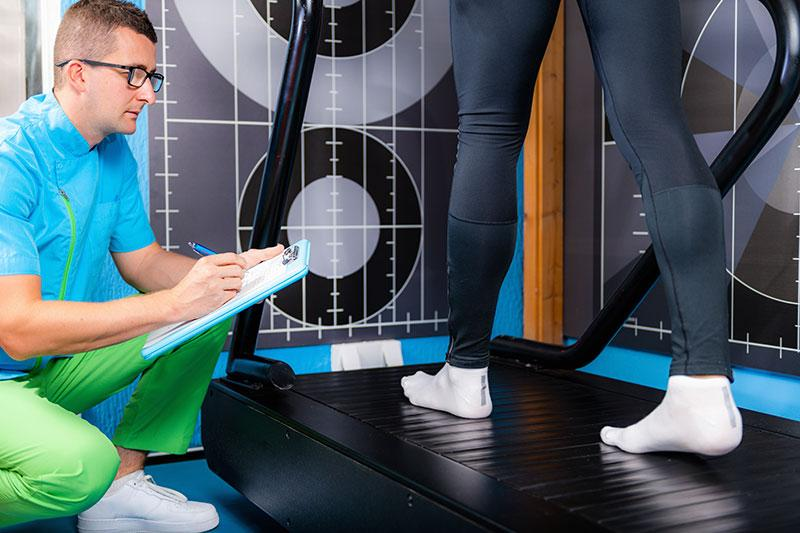
Step 2: Design the Orthotic Structure
Professional insole development focuses on foot function, not only appearance.
Key design factors include:
- Arch support
- Heel stability
- Pressure distribution
- Cushioning zones
Modern development methods may include:
- 3D modeling
- Foot scanning
- Pressure analysis
These technologies help improve product design and user comfort.
Step 3: Select Materials
Material selection directly affects insole performance.
EVA Foam
EVA is widely used in orthotic insoles because it provides:
- Lightweight performance
- Shock absorption
- Flexible support
- Adjustable hardness and density
Different EVA formulations can be selected depending on whether the product requires more cushioning or stronger structural support.
Top Cover Materials
Surface materials such as microfiber, mesh, and velvet can improve:
- Breathability
- Moisture management
- Wearing comfort
Step 4: Prototype and Testing
Before mass production, prototypes are developed and evaluated.
Typical steps include:
- Design confirmation
- Sample production
- Comfort evaluation
- Performance testing
- Final improvement
Testing helps ensure the product meets requirements for support, durability, and footwear compatibility.
Customization Options for ODM Insoles
Functional Design
Options may include:
- Arch support level
- Cushioning layers
- Heel structure
- Insole thickness
Material Selection
Brands can customize:
- EVA density
- Foam combinations
- Cover materials
Branding Solutions
Customization may include:
- Logo application
- Product colors
- Packaging design
- Private label solutions
These options help brands create products that match their market identity.
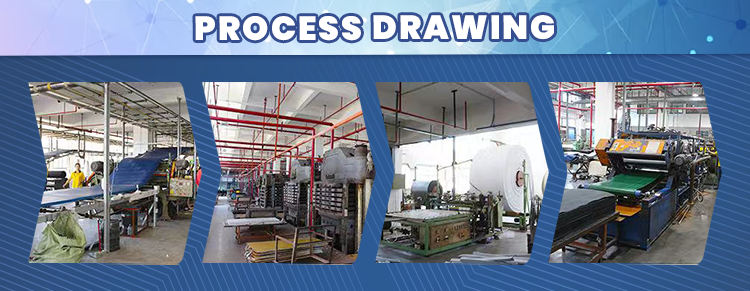
How to Choose an ODM Custom Insoles Manufacturer?
1. Check Technical Experience
A reliable ODM supplier should understand:
- Orthotic design principles
- Material performance
- Different application requirements
Experience in medical, sports, and footwear industries can provide valuable product development support.
2. Evaluate Manufacturing Capability
Important factors include:
- Production capacity
- Quality control
- Material consistency
- Customization ability
Stable manufacturing ensures consistent product performance after launch.
3. Look for Development Support
A good ODM partner should provide more than production.
Useful support includes:
- Product suggestions
- Design improvements
- Material recommendations
- Prototype optimization
Common Mistakes When Developing Custom Insoles
Choosing Only Based on Price
Lower costs may affect material quality, product consistency, and long-term reliability.
Ignoring Target Users
Different markets require different solutions. Medical, sports, and work insoles should be developed according to specific user needs.
Focusing Only on Appearance
A successful orthotic product needs a balance between design, comfort, support, and durability.
Frequently Asked Questions About ODM Custom Insoles
Can ODM manufacturers help develop custom orthotic insoles?
Yes. ODM partners can support product design, material selection, prototyping, and production optimization.
How long does it take to develop ODM custom insoles?
The timeline depends on product complexity, material selection, testing requirements, and customization level.
Can I create private label insoles with my own brand?
Yes. Many ODM solutions support customized branding, packaging, and product specifications.
Conclusion
Developing a successful orthotic product line requires more than manufacturing capability. Brands need professional support in design, materials, testing, and production.
ODM custom insoles provide an efficient way for companies to create differentiated products, reduce development challenges, and enter the growing foot care market with customized solutions.
By working with an experienced ODM partner, brands can transform product ideas into reliable orthotic products designed for their target customers.
Related Articles:
OEM vs ODM Orthotic Insoles: Which Model Fits Your Business?
Bulk OEM Custom Insoles with OEM & ODM Solutions