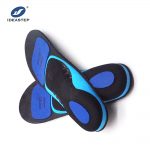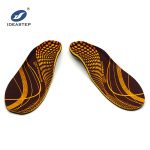
If you wear work boots for long hours, choosing the right insole can significantly improve daily comfort. Memory foam insoles for work boots are popular because they provide soft cushioning, pressure relief, and improved step comfort. However, they are not always the best choice for every worker.
For people who spend most of the day standing or walking, memory foam can reduce foot fatigue. But for heavy-duty jobs, flat feet, overpronation, or long-term foot support needs, orthotic insoles with structured arch support may provide better stability and durability.
Understanding the differences between these options will help you choose the right insole for your work environment.
Why Upgrade Your Work Boot Insoles?
Work boots are designed mainly for protection and durability. Features such as steel toes, reinforced soles, and slip-resistant outsoles make them suitable for demanding environments but can also increase weight and reduce flexibility.
After standing or walking for many hours, workers may experience:
- Foot fatigue
- Heel discomfort
- Arch pressure
- Forefoot soreness
- Leg fatigue
The standard insoles included with many work boots are usually made for general comfort rather than customized support. Replacing them with a better-designed insole can improve cushioning, pressure distribution, and overall wearing comfort.
What Are Memory Foam Insoles?
Memory foam is a soft, flexible polyurethane foam that responds to pressure and body heat. When you step on it, the material gradually conforms to the shape of your foot and slowly returns to its original form after removing pressure.
This unique response provides several benefits:
- Improved cushioning
- Better pressure distribution
- Softer underfoot feel
- Reduced discomfort during long periods of standing
Because memory foam adapts to the foot shape, it is often used in comfort insoles, casual footwear, and work boot inserts where cushioning is the primary goal.
However, memory foam mainly focuses on comfort and shock absorption. It does not always provide enough structural support for users who need better foot alignment control.
Are Memory Foam Insoles Good for Work Boots?
The answer depends on your job requirements and foot condition.
When Memory Foam Insoles Work Well
Memory foam is a good option for workers who need additional cushioning during long periods of standing or walking.
Common users include:
- Nurses and healthcare workers
- Retail employees
- Teachers
- Hospitality workers
- Delivery drivers
For these applications, memory foam helps reduce pressure points and improves comfort throughout the workday.
When You Need More Support
For physically demanding jobs, cushioning alone may not be enough.
Workers in industries such as:
- Construction
- Warehousing
- Manufacturing
- Mechanical repair
often experience higher impact forces and heavier loads. In these situations, low-support memory foam may compress over time and provide limited stability.
People with conditions such as:
- Flat feet
- High arches
- Overpronation
- Plantar fasciitis
may also require more than soft cushioning. A supportive orthotic insole can help improve foot positioning and distribute pressure more effectively.
Memory Foam vs. Orthotic Insoles for Work Boots
Although both types of insoles improve comfort, they serve different purposes.
| Feature | Memory Foam Insoles | Orthotic Insoles |
|---|---|---|
| Cushioning | Excellent | Excellent |
| Pressure Relief | Very Good | Excellent |
| Arch Support | Limited | Strong |
| Foot Alignment Control | Low | High |
| Long-Term Support | Moderate | High |
| Best For | Comfort-focused use | Support and correction |
Memory foam insoles are mainly designed to make work boots feel softer and more comfortable.
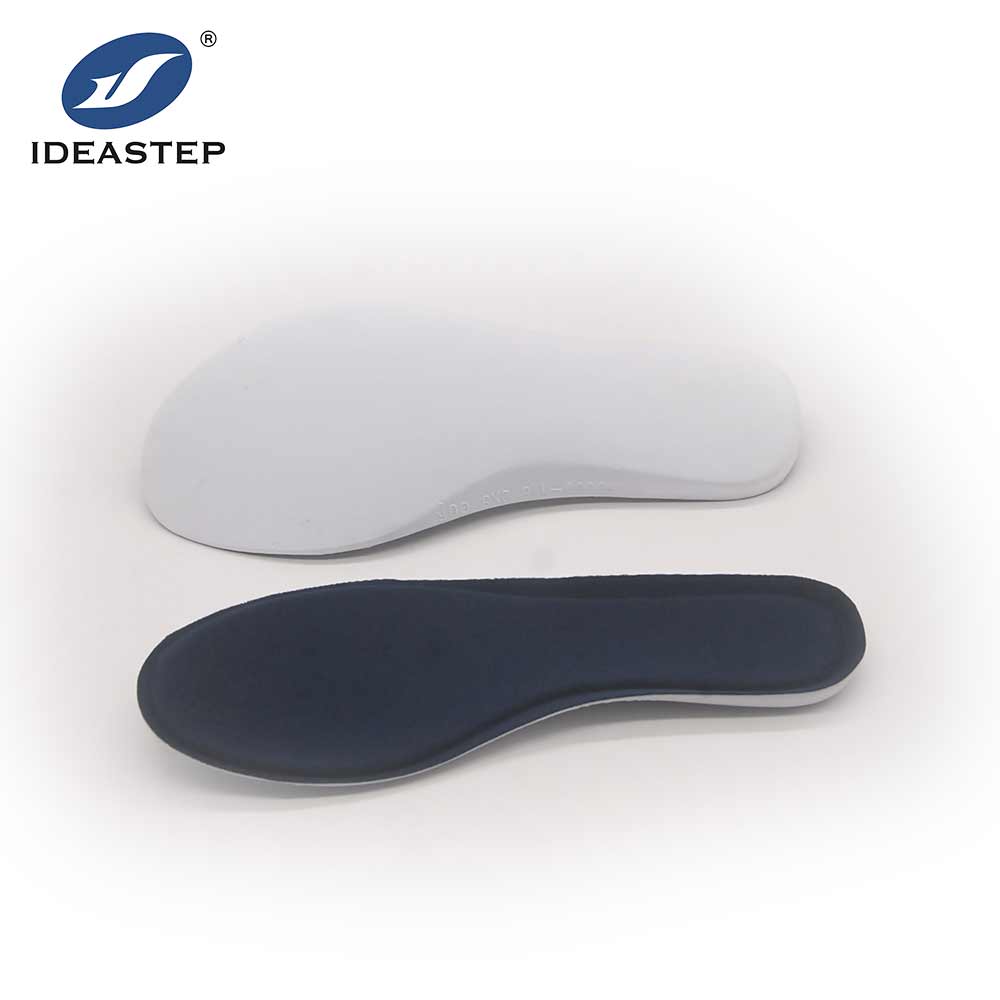
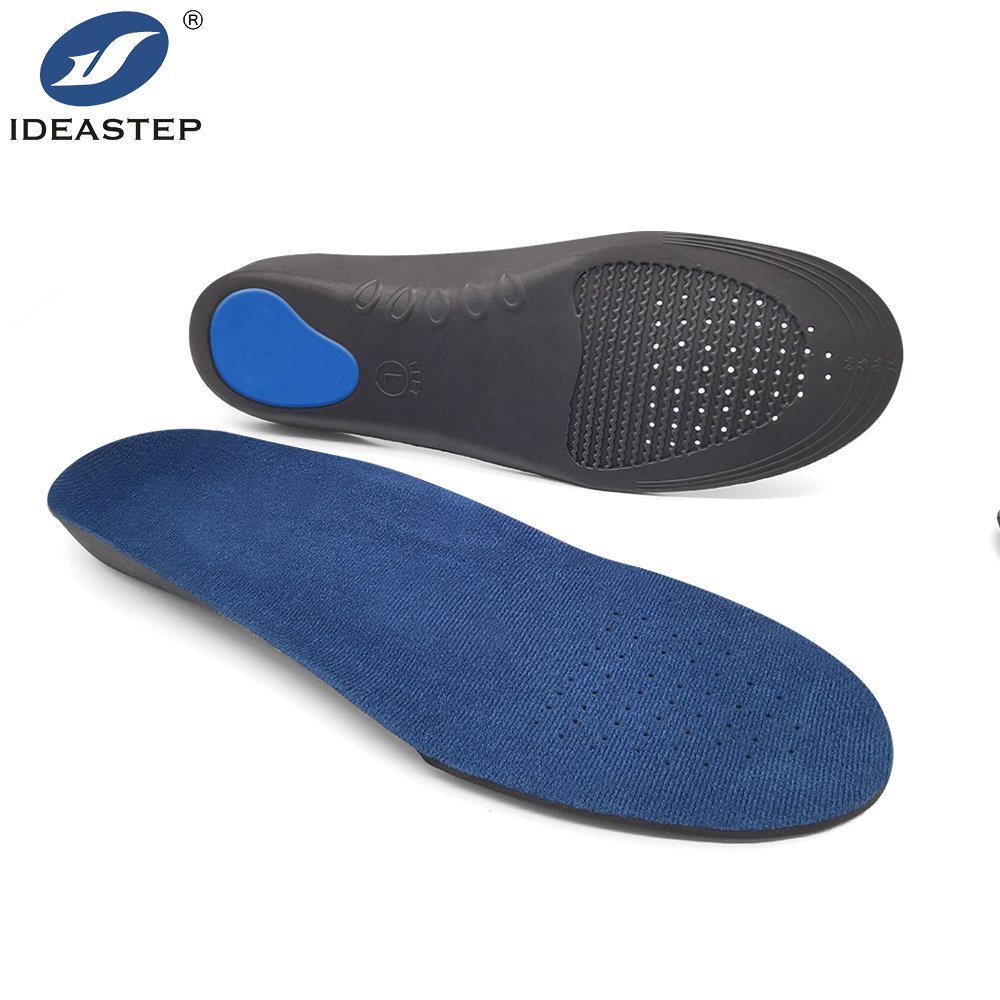
Orthotic insoles combine cushioning materials such as EVA foam with structural support components to help control foot movement and improve stability.
For workers who spend 8–12 hours on their feet every day, the combination of cushioning and support is often more important than softness alone.
What to Look for in the Best Memory Foam Insoles for Work Boots?
When selecting a work boot insole, consider these important features:
Arch Support
A quality insole should provide appropriate arch support rather than relying only on soft foam. Some advanced designs combine memory foam with EVA or TPU support layers for better stability.
Shock Absorption
Work environments often involve hard surfaces such as concrete floors. Good shock absorption helps reduce repeated impact on the heel and forefoot.
Breathability and Moisture Control
Work boots can become warm during long shifts. Breathable covers, moisture-wicking fabrics, and odor-control treatments improve comfort.
Durability
The density and construction of the foam affect how long the insole maintains its performance. Higher-density materials generally provide better resistance to compression.
Frequently Asked Questions
Are memory foam insoles good for standing all day?
Yes. Memory foam can improve comfort by reducing pressure points and absorbing impact. However, workers who stand for extremely long periods or require foot correction may benefit from orthotic support.
Can memory foam insoles help plantar fasciitis?
Memory foam can reduce heel pressure and improve comfort, but it does not correct the underlying causes of plantar fasciitis. Insoles with proper arch support are often a better choice for long-term management.
How long do memory foam insoles last?
The lifespan depends on material quality, body weight, work intensity, and usage frequency. For daily work boot use, many insoles need replacement after approximately 6–12 months.
Conclusion
The best memory foam insoles for work boots are not simply the softest ones. The right choice should balance cushioning, support, durability, and fit.
Memory foam is an excellent option for improving comfort and reducing pressure during everyday work. However, workers in heavy-duty environments or those needing better foot support may benefit more from orthotic insoles that combine cushioning materials with structured arch support.
Choosing the correct insole based on your job requirements and foot needs can help improve comfort, reduce fatigue, and provide better support throughout the workday.
Related product links: https://www.aideastep.com/product/memory-foam-insoles-high-rebound/.