Why More Global Brands Choose Ideastep as Their Orthotic Insoles Manufacturing Partner?
Today’s orthotic insole market is no longer simply about who offers the lowest price.
Especially in Europe and North America, more brands are paying attention to:
- Long-term product consistency
- Professional support structure design
- Real customization capability
- Stable long-term cooperation
Many brands realize after changing suppliers that what truly affects user experience is not the surface material itself, but the structure design and manufacturing consistency behind the product.
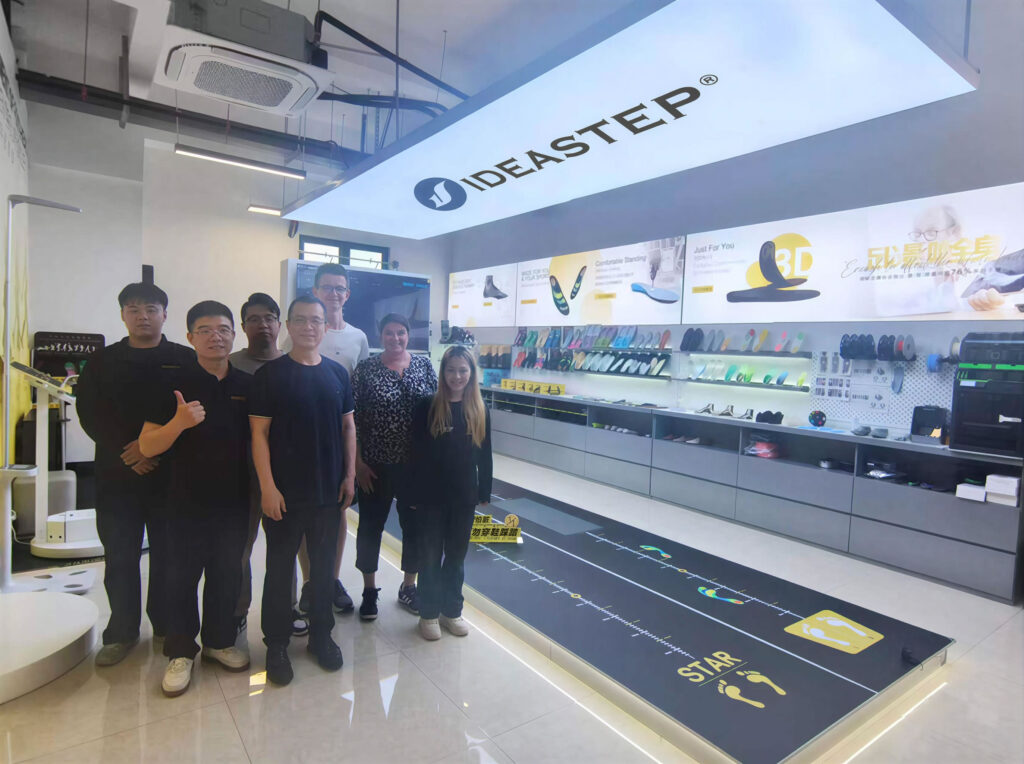
This is also one of the reasons why more overseas brands are choosing to build long-term partnerships with Ideastep.
1. Functional Orthotic Insoles Are About More Than Materials
Many insoles may look similar on the surface, but what really matters in functional orthotic insoles includes:
- Foot pressure distribution logic
- Support structure design
- Long-term wearing stability
There is a very common reality in the industry:
The same material can create completely different wearing experiences depending on the structural design.
For users with flat feet, sports-related needs, or long hours of standing, support angles and pressure distribution directly affect comfort and stability.
That is why more brands today focus on biomechanics and structural design rather than simply comparing prices.
2. The Real Challenge Is Not Sampling — It’s Long-Term Consistency
In the functional insole industry, many issues actually appear during mass production rather than at the sample stage.
For example:
- EVA density variations
- Inconsistent rebound performance
- Differences between left and right foot support
- Batch-to-batch wearing inconsistency
These problems may not be obvious in small quantities, but over time they directly affect repurchase rates and brand reputation.
As a result, many overseas buyers now pay more attention to:
- Standardized production systems
- Batch consistency
- Long-term quality control capability
For brands, stability is often more important than low pricing.
Long-term manufacturing consistency has also been one of the core areas that Ideastep continuously focuses on.
3. Real Customization Is More Than Just Adding a Logo
Today, many factories claim they support OEM and ODM services.
However, the real challenges in customization often involve:
- Foot data analysis
- Structural adjustment capability
- Multi-layer material combinations
- Adaptation for different sports and usage scenarios
Especially in sports and medical orthotic insoles, design capability often determines the final user experience.
Many overseas customers now care not only about the product itself, but also whether the factory can:
- Continuously develop new products
- Respond quickly to market changes
- Support long-term cooperation
This is why more brands prefer manufacturing partners with long-term development and customization capabilities.
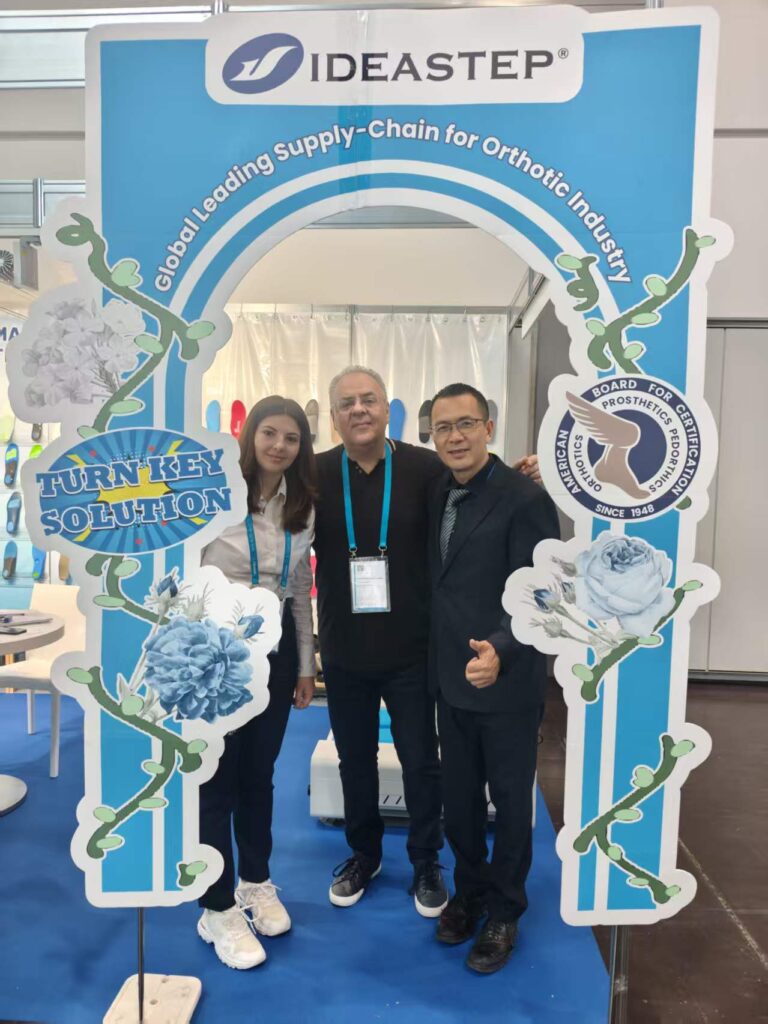
4. Why More Brands Value Long-Term Manufacturing Partnerships
As market competition becomes increasingly intense, brands no longer simply need a factory.
What they truly need is:
A long-term manufacturing partner capable of providing stable functional solutions.
Because for functional orthotic insoles, consumers are not only buying materials — they are buying long-term wearing experience.
In many cases, what truly determines product reputation are the factors users cannot immediately see:
- Support stability
- Biomechanical design
- Long-term durability
- Mass production consistency
There is a common saying in the industry:
Making samples is easy. Maintaining long-term consistency is difficult.
For many long-term clients, Ideastep has become more than just an insole supplier — it has become a long-term manufacturing and product development partner.
One article isn’t enough? Check out these related reads:Ideastep’s Carbon Fiber Foot Plate