In the medical device procurement and podiatry care market, diabetic foot-related products continue to show steady and long-term demand. In hospitals, rehabilitation centers, and orthopedic clinics, patients with prolonged standing or gait instability increasingly rely on professional foot support solutions.
Among these products, Diabetic Foot Care Insoles have become a common category within medical supply chains and distribution networks due to their functional and preventive value.
1. Why Is Demand for Diabetic Foot Care Products Increasing?
From both clinical practice and procurement feedback, diabetic foot conditions are not short-term issues but long-term chronic risk management challenges.
Common situations include:
- Reduced foot sensitivity, making injuries harder to detect
- Localized pressure buildup leading to skin breakdown risks
- Reduced walking stability, causing fatigue or discomfort
In many medical settings, medication alone is not enough. Foot pressure management has become a critical part of long-term diabetic care.
As a result, orthopedic insoles have shifted from optional accessories to essential supportive products.
2. Core Functions of Diabetic Foot Care Insoles
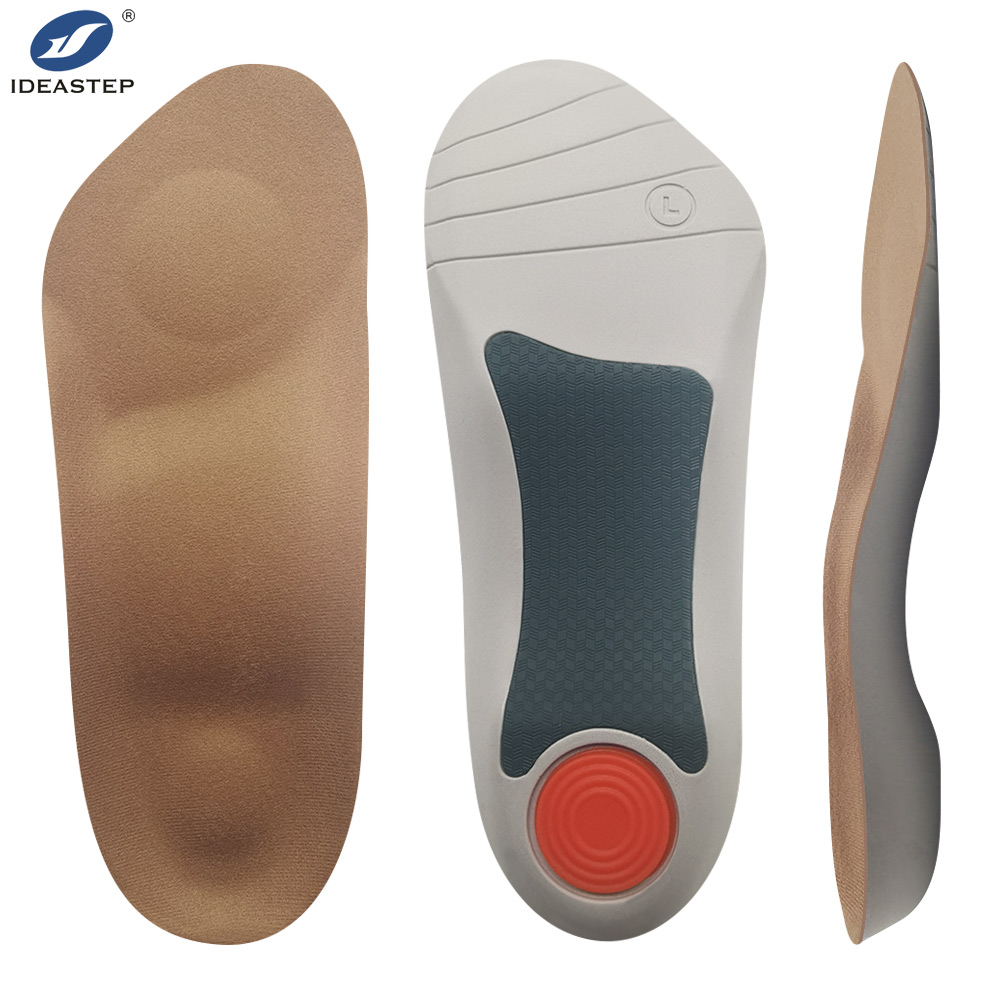
The primary goal of diabetic insoles is not just comfort, but reducing sustained pressure on high-risk foot areas.
2.1 Pressure Redistribution
During walking, certain areas of the foot may experience excessive pressure over time. Without proper support, this can lead to ulcers or tissue damage.
Orthopedic insoles help distribute pressure more evenly across the entire foot, reducing localized stress points.
2.2 Arch Support and Stability Improvement
Many diabetic patients also experience mild gait instability.
Arch support structures help improve walking stability, reduce abnormal stress, and lower long-term fatigue.
2.3 Shock Absorption for Daily Walking
For users who stand or walk for long periods, cushioning performance is essential.
Common material systems include:
- EVA lightweight cushioning layer
- PU elastic support layer
- Memory foam comfort layer
The key is not the material alone, but the combined structural performance.
2.4 Foot Microenvironment Improvement
In hot and humid regions, maintaining a stable foot environment is especially important.
Breathable structures and moisture-absorbing materials help reduce heat buildup and lower bacterial growth risks.
3. Applications in the Medical Supply Chain
3.1 Hospitals and Rehabilitation Centers
Used as part of long-term diabetic foot care and rehabilitation programs as a basic supportive device.
3.2 Orthopedic and Podiatry Clinics
Clinicians recommend insoles based on foot structure and risk level to enhance treatment continuity.
3.3 Medical Distributors and Wholesale Channels
In Europe, the United States, and the Middle East, this category typically shows stable repeat purchasing behavior due to:
- Predictable replacement cycles
- Stable end-user demand
- Long-term usage patterns
3.4 Functional Footwear Brands and OEM Partnerships
Many footwear brands integrate medical-grade insoles into their product lines to enhance functional value and market positioning.
4. Key Concerns from Procurement Buyers
In B2B communication, buyers tend to focus on several core factors:
4.1 Batch Consistency
For long-term procurement, consistency between production batches is more important than single-product performance, as it directly impacts end-user experience.
4.2 Customization Capability
Common customization requests include:
- Brand logo printing
- Structural and hardness adjustments
- Localized packaging design
4.3 Supply Chain Stability
In medical procurement, delivery reliability often matters more than price, especially for long-term distribution contracts.
4.4 Long-Term Usability
Buyers also evaluate deformation resistance, support degradation over time, and overall durability—not just initial comfort.

5. OEM/ODM Manufacturing Capabilities
For medical supply chain partners, manufacturing capability and customization flexibility determine the depth of cooperation.
5.1 Material and Structural Customization
Various combinations can be provided based on market requirements, such as:
- EVA lightweight structure
- PU support structure
- Memory foam comfort layer
Hardness and support levels can also be adjusted for different user groups.
5.2 Branding and Product Customization
Services include:
- Logo customization
- Private mold development
- Medical-grade packaging design
Suitable for brands, distributors, and e-commerce sellers.
5.3 Mass Production and Export Capability
A mature manufacturing system supports:
- Long-term medical supply contracts
- Multi-country compliance requirements
- Stable global supply chain delivery
6. Wholesale and Cooperation Process
The procurement process is generally straightforward:
- Step 1: Submit requirements (specifications, quantity, target market)
- Step 2: Sample testing and feedback
- Step 3: Finalize design and packaging solution
- Step 4: Mass production and shipment
For long-term partners, product optimization is often adjusted based on market feedback.
7. Conclusion
Diabetic foot care orthopedic insoles are fundamentally long-term medical support products, with value focused on consistent usage outcomes rather than short-term consumption.
For medical distributors, orthopedic clinics, and wholesale buyers, the key competitiveness lies in:
- Supply chain stability
- Product consistency
- Customization capability
- Long-term market adaptability
In the global medical purchasing market, it is a widely adopted practice to begin with sample evaluation before moving into bulk procurement. Ideastep supports this approach by providing free samples upon request—please feel free to contact us for more details.
Dive deeper and expand your horizons:The Benefits of Insoles for Diabetic Foot Care