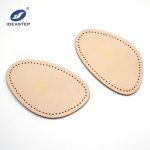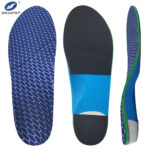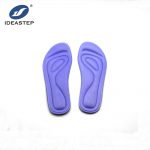
Magnetic insoles are widely positioned in the market as a “comfort and wellness” solution for foot fatigue and general pain relief. They are easy to find in online retail channels and are often promoted with claims related to circulation or energy stimulation.
However, in real footwear manufacturing and OEM development, the evaluation of any insole product is much more practical. The key question is not how it is marketed, but how it performs during repeated daily wear inside different types of shoes.
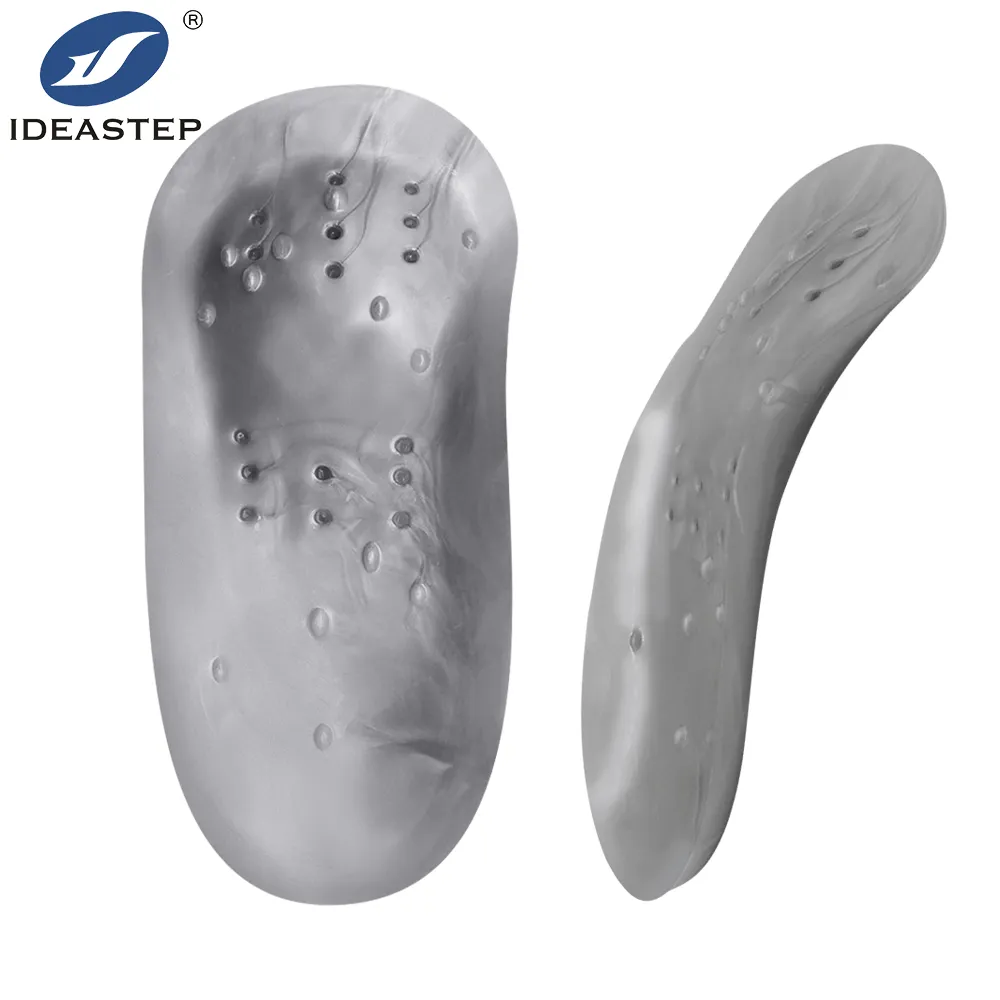
What Magnetic Insoles Actually Are in Real Production
In most cases, magnetic insoles are built on a standard EVA or foam base, with small magnetic elements embedded into specific zones such as the heel or forefoot area.
From a production perspective, the structure itself is not different from a regular comfort insole. The magnets are added as an additional feature, usually for product positioning rather than structural function.
In OEM projects, these components are typically considered optional inserts rather than core functional elements of the insole system.
How They Perform in Real Wear Conditions
In daily use, the main factors that affect comfort are cushioning, pressure distribution, and arch support. These are determined by the foam structure and overall insole design.
Magnetic elements do not actively participate in load absorption or foot alignment control. In real wear testing, any initial comfort feeling is usually related to the EVA or foam layer rather than the magnets themselves.
Over longer periods of walking or standing, performance depends almost entirely on how stable the material is under repeated compression.
Why Comfort Is Not Determined by Magnets
During walking, the foot goes through continuous impact cycles from heel strike to toe-off. These forces are mechanical and require structural response from the insole material.
In actual footwear engineering, comfort is controlled by:
- Cushioning material density (such as EVA or PU foam)
- Arch support structure and stability
- Pressure distribution design across the footbed
Magnetic elements do not influence any of these mechanical factors. For this reason, they are not considered part of the functional load-bearing system in most footwear designs.
Limitations in Real Footwear Applications
From a manufacturing and product development point of view, magnetic insoles have several practical limitations.
First, they usually lack structured arch support, which is essential for controlling foot alignment in long-term use. Second, adding magnets increases cost without significantly improving mechanical performance.
For these reasons, they are rarely used in performance-focused categories such as work boots, safety shoes, or medical orthotic systems.
Where Magnetic Insoles Are Actually Used
In real market segmentation, magnetic insoles are mostly positioned in entry-level comfort or wellness-oriented retail products.
- Basic daily comfort insoles
- Low-intensity walking or casual footwear
- Retail wellness or promotional product lines
In these cases, the product value is more related to positioning and consumer perception rather than structural footwear engineering.
What Actually Works Better for Foot Comfort
In most OEM and ODM footwear projects, long-term comfort is achieved through engineered insole structures rather than added features.
Effective designs typically combine:
- Shock-absorbing EVA or PU foam for impact reduction
- Structured arch support for alignment control
- Layered pressure distribution systems for stability during walking
These elements directly affect how the foot interacts with the shoe during real movement, which is the key factor behind lasting comfort and pain reduction.
Magnetic Insoles vs Functional Orthotic Insoles
In product development terms, magnetic insoles and orthotic insoles serve very different purposes.
Magnetic insoles are generally positioned as wellness or entry-level comfort products, while orthotic insoles are designed for biomechanical support and structural correction.
In most professional footwear categories, buyers prioritize structural performance over added features, especially in bulk OEM production where consistency and function are more important than marketing elements.
Conclusion
Magnetic insoles may provide a basic comfort experience in short-term or casual use scenarios, mainly due to their foam or EVA base structure.
However, in real footwear manufacturing and OEM applications, their functional contribution is limited compared to engineered cushioning and support systems. Long-term foot comfort and pain relief are primarily achieved through material design, arch support, and pressure management—not magnetic components.
Related product links: https://www.aideastep.com/product/ideastep-therapy-insole-tpu-magnet-massage/.