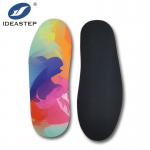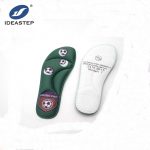
In the footwear industry, comfort is no longer a “plus”—it’s an expectation. For shoe manufacturers competing in global markets, integrating OEM custom insoles has become one of the most practical ways to improve product performance without redesigning the entire shoe structure.
Instead of relying on standard inserts, more brands are now working with specialized insole manufacturers to develop solutions that better match different foot types, usage scenarios, and price segments.
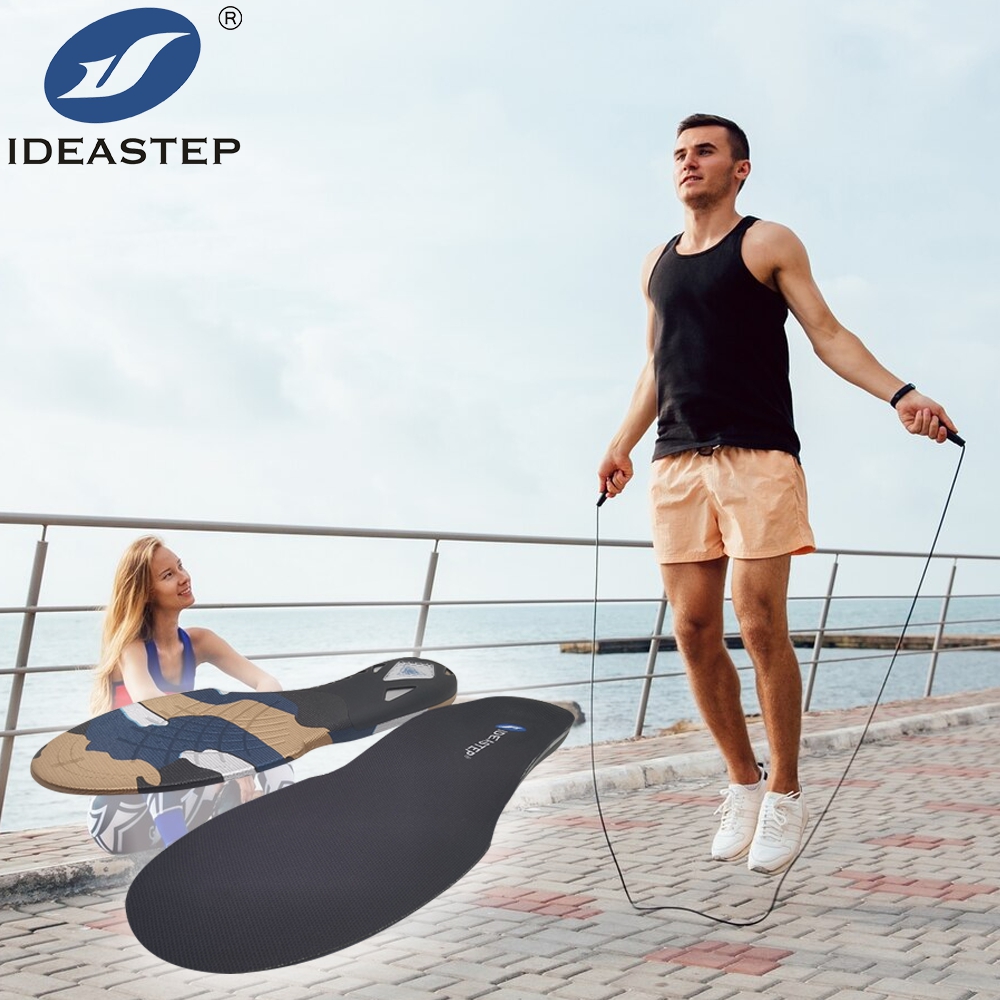
Why OEM Custom Insoles Are Becoming a Standard in Footwear Production
Consumer expectations have shifted significantly in recent years. Whether it’s sports footwear, work boots, or casual shoes, buyers are paying more attention to long-term comfort and foot support. This is where OEM custom insoles add real value.
For shoe manufacturers, integrating custom insoles into product lines helps in several practical ways:
- Improves overall wearing comfort without changing shoe design
- Reduces complaints related to foot fatigue or pressure points
- Helps differentiate product lines in a saturated market
- Supports segmentation across sports, work, and medical categories
- Enhances perceived product quality at relatively low cost
What Defines a Professional OEM Custom Insole
A well-developed OEM insole is not just about softness or cushioning. It is a structured product designed around biomechanics, material behavior, and real usage environments.
Material Selection Matters More Than Ever
Most high-performance insoles combine multiple materials such as EVA, PU, gel, and thermoplastic components. Each material plays a specific role—EVA for lightweight support, PU for durability, and gel for targeted shock absorption.
Design Based on Real Foot Conditions
Professional OEM solutions are usually developed based on different foot profiles, including flat feet, high arches, and overpronation. In some cases, they are also adapted for diabetic or sensitive-foot users.
Layered Structure for Functional Support
Instead of a single foam block, modern insoles are built in layers:
- Top layer for comfort and moisture control
- Cushioning layer for impact reduction
- Support layer for arch stability
- Base layer for pressure distribution
Application Across Different Footwear Categories
One of the strengths of OEM customization is its flexibility. The same manufacturing platform can be adapted for different end-use scenarios.
Sports Footwear
Designed for movement and impact. These insoles focus on shock absorption, rebound response, and breathability, especially for running and training shoes.
Work and Safety Shoes
Built for long hours of standing or walking. The priority here is fatigue reduction, heel stability, and pressure relief.
Orthopedic and Medical Footwear
These insoles are developed for users with specific foot conditions. The goal is not just comfort, but functional correction and support over time.
Casual Daily Shoes
For everyday use, the focus shifts to lightweight comfort and subtle support that doesn’t affect the shoe’s original fit or appearance.
Why Manufacturers Are Moving Toward OEM Partnerships
Many footwear brands are finding it inefficient to develop insole systems in-house. Partnering with an OEM supplier allows them to access specialized engineering and production capabilities without heavy R&D investment.
In most cases, this results in faster product development cycles and more consistent output across different production batches.
Typical advantages include:
- Custom mold and structure development based on brand needs
- Scalable production from small batches to mass manufacturing
- More stable material sourcing and quality control
- Faster sampling and iteration process
- Export-ready compliance for international markets
Material Innovation Is Reshaping the Insole Industry
Recent improvements in EVA formulation, high-rebound foams, and 3D shaping technologies are changing how insoles are designed and produced. Compared with traditional flat-cut inserts, modern OEM insoles offer better anatomical alignment and durability.
These upgrades are especially important for brands targeting performance footwear and medical-grade product lines.
OEM Insoles as a Strategic Product Upgrade
Instead of launching entirely new shoe models, many manufacturers now use upgraded insoles as a cost-effective way to refresh existing product lines. This approach allows quicker response to market demand without disrupting production systems.
In practice, a well-designed insole often becomes the key factor that separates an average shoe from a preferred one.
Working With a Reliable OEM Insole Manufacturer
Choosing the right partner is often more important than the design itself. A capable OEM manufacturer should understand both material engineering and real-world footwear applications.
With long-term experience in EVA and orthotic insole production, Ideastep supports global footwear brands with OEM and ODM solutions tailored for sports, work, and medical applications.
Conclusion
OEM custom insoles have quietly become a core part of modern footwear development. They offer a practical way for manufacturers to improve comfort, extend product value, and respond to increasingly specific consumer demands.
For brands looking to strengthen their position in the global footwear market, working with a specialized insole partner is often the most efficient step forward.
This page provides detailed information on insoles: https://www.aideastep.com/tag/insoles/.