Introduction
In many footwear categories, comfort used to be treated as an optional feature. Today, it is a core performance requirement—especially in work boots, sports footwear, and orthopedic applications where users spend long hours standing or walking.
The problem is that not all EVA insoles perform consistently in real use. Low-density foams may feel soft at first but quickly lose structure. Over time, this leads to reduced cushioning, poor support, and user fatigue.
This is where high-quality EVA differentiation shock-absorbing insoles make a real difference. Instead of relying on a single foam structure, they are engineered with controlled density zones to improve impact absorption, stability, and long-term performance.
What EVA Differentiation Means in Insole Design
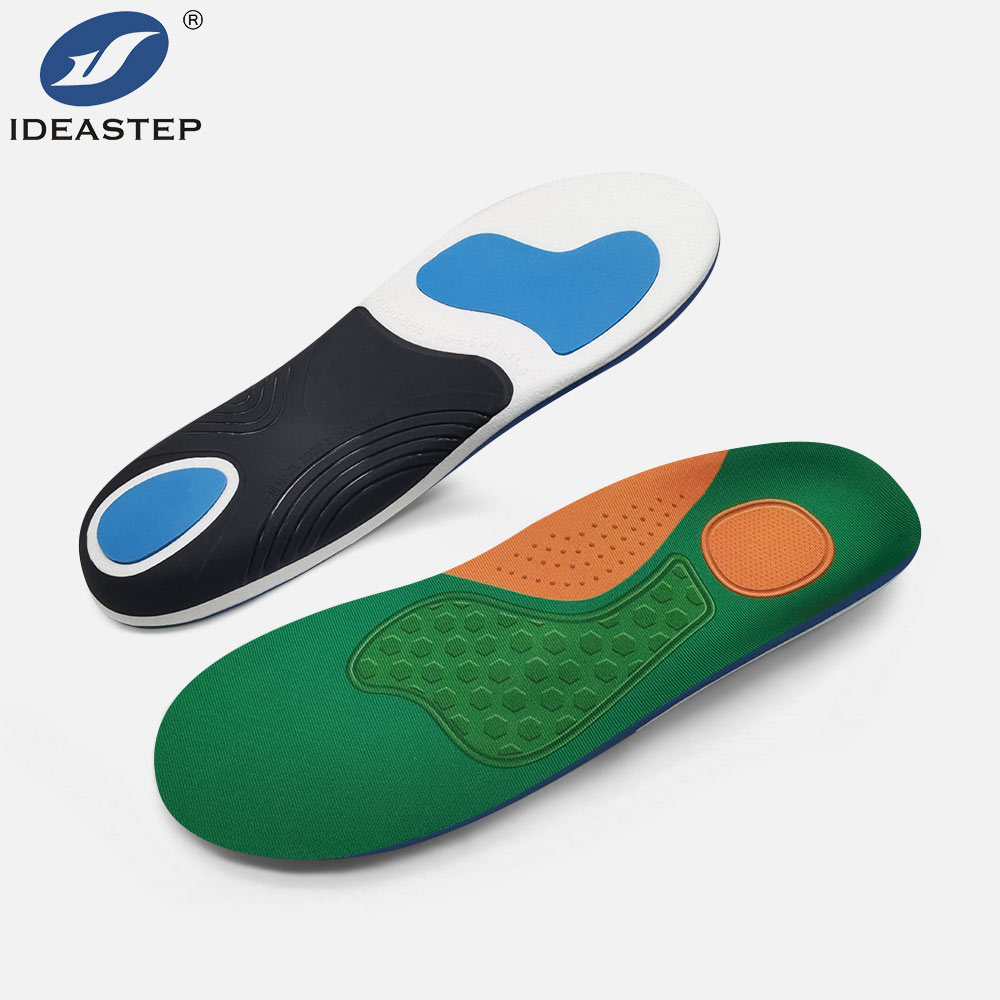
EVA differentiation refers to the use of multiple EVA density zones within a single insole structure.
In practical manufacturing terms, this means the insole is not made from one uniform foam block. Instead, different areas of the foot are supported by materials with different hardness levels and rebound behaviors.
- Softer EVA is used in high-impact zones like the heel
- Medium-density EVA supports midfoot transition
- Firmer EVA is applied in the arch area for structural stability
This design approach is closer to how the foot actually moves and bears pressure during walking or running.
Why High-Quality EVA Matters in Real Use
Impact Absorption in Daily Wear
When the heel strikes the ground, a significant force is transferred through the foot and into the lower body. High-quality EVA foam helps reduce this impact by dispersing pressure across the insole surface, especially in repetitive walking or standing environments.
Lightweight Structure Without Bulk
One of the advantages of EVA is its naturally low weight. Even with multi-density construction, the insole remains lightweight, which is important for work footwear and athletic use where fatigue reduction is a priority.
Structural Stability Over Time
Lower-grade EVA materials tend to compress permanently after repeated loading. High-quality EVA, especially when engineered with controlled density layers, maintains its shape longer and provides more consistent support during its lifecycle.
How EVA Differentiation Is Engineered in Production
From a manufacturing perspective, EVA differentiation is not just a design concept—it requires precise process control.
- Density control during foaming: adjusting expansion rates to achieve different hardness zones
- Molding precision: ensuring material distribution matches pressure mapping of the foot
- Layer integration: combining multiple EVA grades without creating weak bonding areas
- Compression testing: checking whether rebound performance remains stable under repeated load
Small variations in temperature, pressure, or material ratio can significantly affect the final performance of the insole. For this reason, quality control is carried out at multiple stages, not only at final inspection.
Key Performance Advantages
Balanced Pressure Distribution
Differentiated EVA structures help distribute body weight more evenly across the foot, reducing localized pressure points that often lead to discomfort.
Improved Walking Efficiency
By combining cushioning and rebound in different zones, the insole supports a more natural gait cycle, especially during long periods of movement.
Reduced Fatigue in Long-Term Use
For users who stand or walk for extended hours, such as workers in logistics, manufacturing, or retail, consistent shock absorption plays an important role in reducing lower limb fatigue.
Application Areas
- Industrial safety footwear: durability and fatigue reduction in demanding environments
- Sports and running shoes: dynamic cushioning and energy return
- Orthopedic and medical footwear: pressure relief and alignment support
- Retail private label programs: stable quality and scalable production
- OEM/ODM development projects: flexible design and material customization
Each application requires different combinations of EVA density, thickness, and structural support.
Why Work with a Professional EVA Insole Manufacturer
For B2B buyers, material selection is only part of the equation. Manufacturing capability directly affects product consistency in the market.
- Stable large-scale production capability for bulk orders
- Controlled EVA density formulation across different product lines
- OEM/ODM support for private label development
- Consistent quality standards across batches
- Engineering support for new product development
This is especially important for brands that need to maintain long-term supply stability and product consistency across regions.
Customization Options for B2B Projects
- EVA density combinations (soft / medium / firm structures)
- Arch support height and geometry
- Thickness variation for different footwear categories
- Surface materials and finishing options
- Branding and packaging for private label programs
In many OEM projects, small adjustments in density or arch structure can significantly affect user perception and market positioning.
Quality Control and Performance Testing
- Compression resistance testing under repeated load
- Shock absorption performance evaluation
- Long-term deformation and rebound stability testing
- Material consistency checks across production batches
These tests help ensure that performance does not vary significantly between samples and mass production.
Conclusion
High-quality EVA differentiation shock-absorbing insoles are designed to solve a simple but important problem: maintaining consistent comfort and support under real-world conditions.
By combining multi-density EVA engineering with controlled manufacturing processes, it becomes possible to deliver insoles that perform reliably across different industries and usage scenarios.
For brands, distributors, and OEM partners, selecting the right manufacturer is not just about material—it is about ensuring stable performance at scale.
If you are developing a new insole product line or upgrading an existing one, we can support OEM/ODM development, provide sample evaluation, and assist with bulk production planning based on your market requirements.
Related product links: https://www.aideastep.com/product-tag/eva-foam/.