If you have mid-foot arthritis, you already know that the pain is different from the soreness that comes after a long day on your feet. Even simple activities—walking the dog, shopping for groceries, or standing in line—can become uncomfortable when every step puts pressure on arthritic joints.
While medications, physical therapy, and supportive footwear are commonly recommended, many people are surprised to learn that controlling foot motion can be just as important as cushioning. This is one reason carbon fiber shoe inserts have become increasingly popular among podiatrists and foot care professionals.
Unlike traditional insoles that focus mainly on shock absorption, carbon fiber inserts are designed to reduce excessive movement in painful joints. For people with mid-foot arthritis, that added stability can make everyday activities more manageable.
In this article, we’ll look at how carbon fiber shoe inserts work, why they may help relieve mid-foot arthritis symptoms, and what to consider before choosing one.
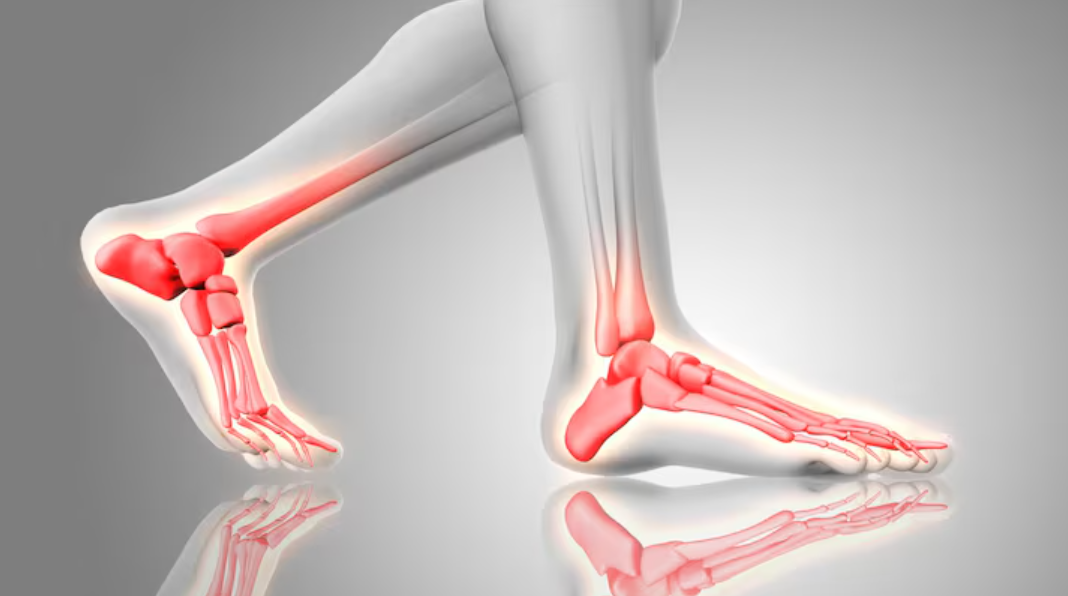
What Is Mid-Foot Arthritis?
Mid-foot arthritis affects the joints located in the middle portion of the foot, an area responsible for supporting the arch and helping transfer body weight during movement.
These joints may be small, but they play a major role every time you walk. When arthritis develops and the protective cartilage begins to wear away, movement that was once painless can start causing stiffness, swelling, and discomfort.
Common Causes of Mid-Foot Arthritis
There is no single cause of mid-foot arthritis. In many cases, it develops gradually over time as joints experience years of daily wear.
Common contributing factors include:
- Age-related joint degeneration
- Previous foot fractures or injuries
- Flat feet and biomechanical abnormalities
- Repetitive stress from work or sports
- Inflammatory conditions such as rheumatoid arthritis
- Excess body weight that increases pressure on foot joints
Typical Symptoms
Symptoms often develop slowly and may become more noticeable during weight-bearing activities.
- Pain in the middle or top of the foot
- Swelling around affected joints
- Stiffness, especially after resting
- Difficulty walking long distances
- Pain that worsens during activity
- Reduced foot flexibility
Many people notice that uneven surfaces, stairs, or long periods of standing trigger symptoms more than normal daily movement.
Why Mid-Foot Arthritis Can Be So Painful
One reason mid-foot arthritis is particularly frustrating is that the affected joints are involved in nearly every step you take.
During walking, the foot naturally bends and adapts to the ground. Healthy joints allow this movement to occur smoothly. However, when arthritis damages cartilage, normal motion can become painful.
The problem isn’t necessarily the amount of pressure alone. In many cases, it is the repeated combination of pressure and joint movement that irritates already inflamed tissues.
This is why many non-surgical treatment strategies focus on reducing motion in painful joints rather than simply adding more cushioning.
What Are Carbon Fiber Shoe Inserts?
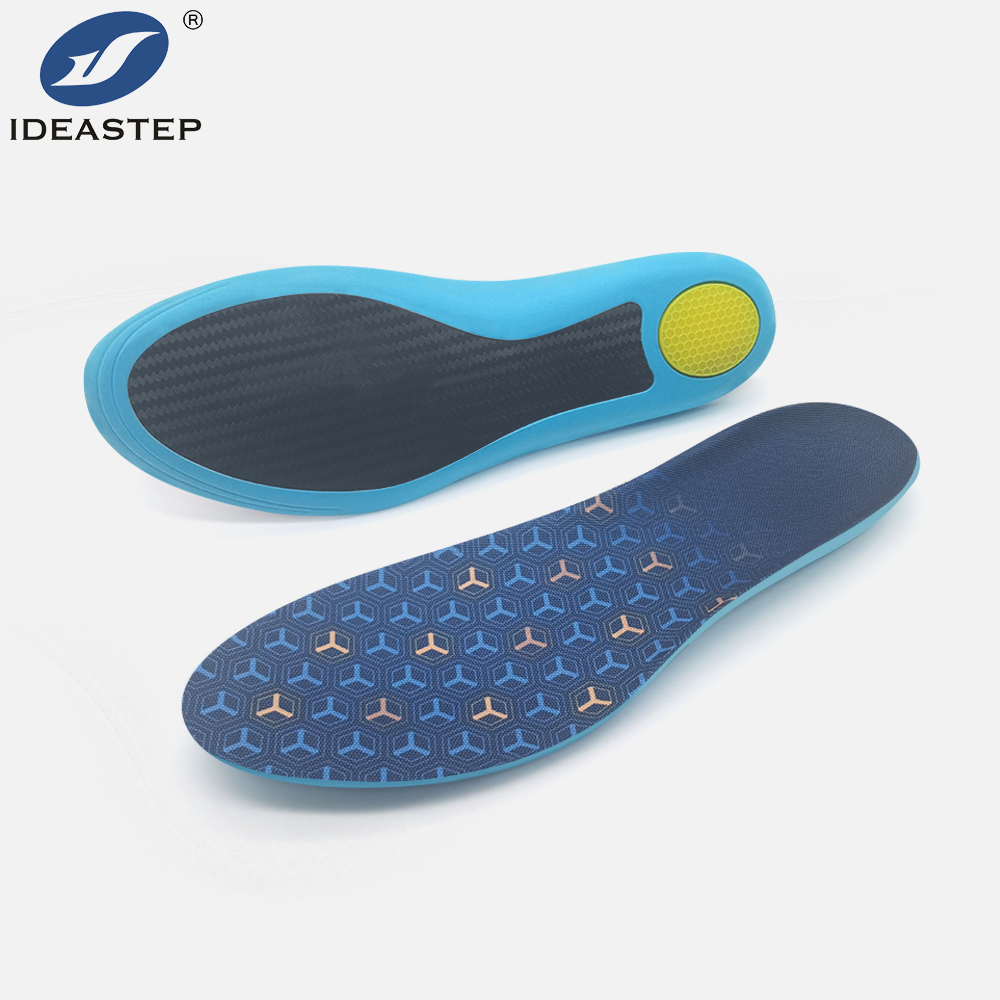
Carbon fiber shoe inserts are rigid foot plates made from lightweight composite materials. They are typically placed inside the shoe, either beneath or alongside an orthotic insole.
Unlike soft foam inserts that compress under load, carbon fiber remains extremely stiff while adding very little weight.
The goal is not to cushion the foot but to limit excessive bending and create a more stable platform during walking.
What Makes Carbon Fiber Different?
Carbon fiber is widely used in industries where strength and low weight are equally important, including aerospace, automotive engineering, and sports equipment.
For foot support applications, these same properties offer several advantages:
- Exceptional rigidity
- Minimal thickness inside footwear
- Very low weight
- Long-term durability
- Resistance to deformation
Because of these characteristics, carbon fiber inserts can provide substantial motion control without making shoes feel bulky.
How Carbon Fiber Shoe Inserts Help Mid-Foot Arthritis Patients
Carbon fiber inserts do not treat arthritis itself. Instead, they help address one of the main triggers of pain: excessive movement in damaged joints.
Reducing Painful Joint Motion
Every step requires the foot to bend as it moves through the gait cycle. For someone with arthritis, this motion can aggravate sensitive joints repeatedly throughout the day.
A rigid carbon fiber plate helps limit this bending. By restricting motion in the midfoot, the insert may reduce irritation and make walking more comfortable.
For some users, the difference becomes most noticeable during routine activities such as shopping, commuting, or standing at work for several hours.
Providing Greater Stability
Arthritic joints often feel unstable, especially when walking on uneven surfaces.
Because carbon fiber creates a firm platform beneath the foot, it can help improve stability and reduce the sensation of excessive movement.
This added support may also help some people feel more confident during daily activities.
Distributing Forces More Evenly
When certain joints become painful, the body naturally shifts pressure to other areas of the foot. Over time, this compensation can create additional discomfort.
Rigid inserts help distribute forces more evenly across the foot, reducing concentrated stress on specific joints.
Although results vary from person to person, many users find that pressure feels less localized when adequate support is provided.
Reducing Walking Fatigue
People with chronic foot pain often change the way they walk without realizing it. These compensations can increase fatigue throughout the legs and feet.
By improving foot mechanics and limiting unnecessary movement, carbon fiber inserts may help make walking feel more efficient, especially during longer periods of activity.
What Does Research Say About Limiting Midfoot Motion?
While researchers continue to study the best ways to manage foot arthritis, many conservative treatment approaches share a common goal: reducing painful joint motion.
Foot care specialists frequently recommend rigid-soled shoes, rocker-bottom footwear, custom orthotics, or carbon fiber plates for this reason.
The basic principle is straightforward. If an arthritic joint hurts when it moves, limiting excessive motion may help reduce symptoms.
This does not mean completely immobilizing the foot. Instead, the objective is to control movement enough to decrease stress on damaged joints while still allowing comfortable walking.
Carbon fiber inserts fit well within this approach because they provide rigidity without significantly increasing shoe weight or bulk.
Carbon Fiber Inserts vs Traditional Orthotic Insoles
People often assume carbon fiber inserts and orthotics serve the same purpose, but they actually address different needs.
| Feature | Carbon Fiber Inserts | Traditional Orthotics |
|---|---|---|
| Main Function | Motion control | Support and alignment |
| Flexibility | Very rigid | Varies by design |
| Cushioning | Minimal | Often significant |
| Joint Stabilization | Excellent | Moderate to high |
| Comfort Features | Limited | Usually enhanced |
In many cases, the two are used together. A custom orthotic may provide arch support and pressure redistribution, while a carbon fiber plate helps limit painful joint motion.
Who May Benefit Most from Carbon Fiber Shoe Inserts?
Not everyone with foot pain requires a rigid insert. However, carbon fiber plates may be worth discussing with a healthcare professional if you have:
- Mid-foot arthritis
- Degenerative joint disease
- A history of Lisfranc injury
- Persistent pain during push-off while walking
- Certain post-surgical foot conditions
- A need for greater motion control during daily activities
Because every foot condition is unique, professional evaluation remains important when symptoms are severe or persistent.
How to Choose the Right Carbon Fiber Insert
Consider the Level of Rigidity
Some inserts are extremely stiff, while others provide a small amount of flexibility. The right choice depends on the severity of symptoms and individual comfort preferences.
Make Sure the Insert Fits Your Footwear
Supportive shoes with adequate depth generally work best. Shoes that are already tight may not comfortably accommodate additional components.
Think About Combining Inserts with Orthotics
For people who require both support and motion control, combining a carbon fiber plate with a custom orthotic may offer better results than using either solution alone.
Seek Professional Guidance When Needed
If pain continues to interfere with daily life, consulting a podiatrist or foot care specialist can help determine whether carbon fiber support is appropriate for your situation.
Frequently Asked Questions
Will carbon fiber inserts make my shoes feel too stiff?
They can make footwear feel firmer than traditional cushioned insoles. However, many users adapt quickly and find that the reduction in pain outweighs the change in feel.
How long does it take to get used to carbon fiber inserts?
Most people adjust within a few days to a couple of weeks. Gradually increasing wear time can help ease the transition.
Can I wear carbon fiber inserts with orthotics?
Yes. In fact, many foot care professionals combine carbon fiber plates with custom orthotics to provide both support and motion control.
Can carbon fiber inserts cure arthritis?
No. They do not reverse joint damage. Their purpose is to reduce stress on painful joints and improve comfort during daily activities.
Conclusion
Mid-foot arthritis can make everyday movement challenging, but the right support strategy can often make a meaningful difference.
Carbon fiber shoe inserts are designed to reduce excessive joint motion, improve stability, and help distribute forces more effectively during walking. For many people, these benefits can translate into less discomfort and greater confidence during daily activities.
For individuals, choosing the right insert often starts with understanding how much motion control is needed and whether additional orthotic support may be beneficial.
For clinics, orthotic providers, and footwear brands, carbon fiber technology also offers new opportunities to develop products that address the growing demand for arthritis-related foot support solutions.
At Ideastep, we work with podiatrists, orthopedic professionals, and footwear companies worldwide to develop custom carbon fiber orthotic solutions for a wide range of foot conditions.
Interested in custom carbon fiber inserts or OEM development? Contact our team today to request a free sample or discuss your project requirements.
Related product links: https://www.aideastep.com/product/jf-308-3-thin-carbon-fiber-insoles/.