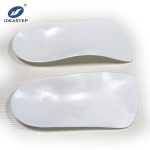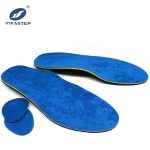
In real footwear manufacturing, EVA foam is not selected because it is “the best material available.” It is selected because, in most commercial shoe programs, it is the most reliable and controllable option for balancing comfort, weight, and production cost.
For footwear brands and OEM factories, EVA foam for shoe making functions as a baseline material system—one that allows consistent mass production without introducing unnecessary complexity in processing or cost structure.
1. Why EVA Foam Remains the Default Material in Footwear Production
Most everyday footwear categories—sneakers, casual shoes, and light-duty work shoes—are built around one core requirement: predictable performance at scale. EVA foam fits this requirement not because it is premium, but because it is stable in industrial production environments.
In practice, many brands choose EVA simply because alternative materials either increase cost, weight, or manufacturing difficulty without delivering proportional benefits in everyday use cases.
This is why EVA foam material for footwear continues to dominate entry-level and mid-range footwear programs globally.
2. What EVA Foam Actually Is in Shoe Making Applications
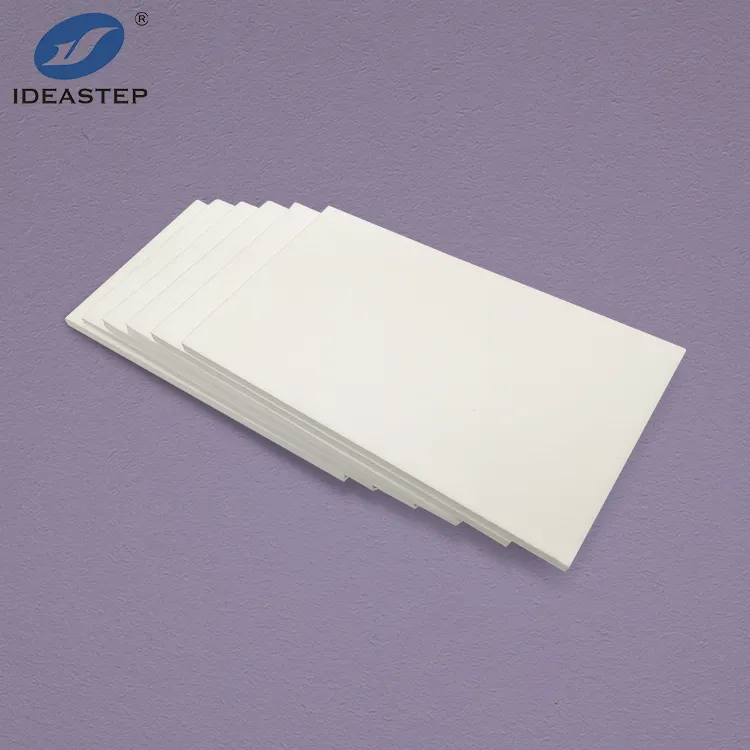
EVA (Ethylene Vinyl Acetate) is a closed-cell foam material that responds to load through compression and rebound. In footwear systems, this behavior is used primarily for cushioning rather than structural correction.
Unlike rigid support materials, EVA is designed to manage impact energy during walking cycles, making it suitable for general comfort-oriented footwear rather than high-performance biomechanical systems.
In real production terms, EVA is used for:
- Reducing impact stress during walking
- Improving perceived step comfort
- Lowering overall shoe weight
- Supporting cost-efficient mass production
3. Where EVA Performs Well—and Where It Does Not
A realistic evaluation of EVA foam must include both strengths and limitations. In footwear development, ignoring its boundaries often leads to product mismatch in long-term use.
3.1 Where EVA performs reliably
- Everyday walking and casual use
- Sneaker and lifestyle footwear programs
- Light-duty work environments
- Short to medium duration daily wear cycles
3.2 Where EVA shows limitations
- Continuous heavy-load environments
- Long-term structural support applications
- High-impact industrial use cases
In these cases, EVA tends to compress over time, especially in lower-density formulations, which is why material upgrades or hybrid structures are often introduced.
4. Performance Logic of Premium EVA Foam
“Premium EVA” in footwear manufacturing does not refer to luxury positioning. It refers to improved control over density, rebound behavior, and compression consistency during production.
4.1 Lightweight structure with controlled cushioning
EVA reduces overall shoe weight while maintaining enough cushioning to improve walking comfort in daily use conditions.
4.2 Predictable shock response
During heel strike, EVA compresses to absorb part of the impact force. This reduces pressure peaks under the heel and forefoot in standard walking cycles.
4.3 Stable manufacturing behavior
From a production perspective, EVA is easy to mold, cut, and form into consistent shapes, which is critical for OEM footwear programs with high volume requirements.
5. EVA vs Other Footwear Materials (Real Industry Perspective)
Material selection in footwear is not about which option is “better,” but about trade-offs between cost, durability, and production efficiency.
5.1 EVA vs PU
PU (polyurethane) provides better long-term structural stability and compression resistance. However, it is heavier and more expensive to process at scale.
In most high-volume everyday footwear programs, EVA is preferred because weight reduction and cost control are prioritized over extended structural durability.
5.2 EVA vs Rubber
Rubber delivers superior durability and abrasion resistance, but significantly increases weight and reduces flexibility in midsole applications.
As a result, rubber is typically reserved for outsole structures rather than cushioning systems.
5.3 EVA vs TPU
TPU offers higher elasticity and durability but increases material cost and processing complexity. It is generally used in performance or specialized footwear categories, not standard mass-market shoes.
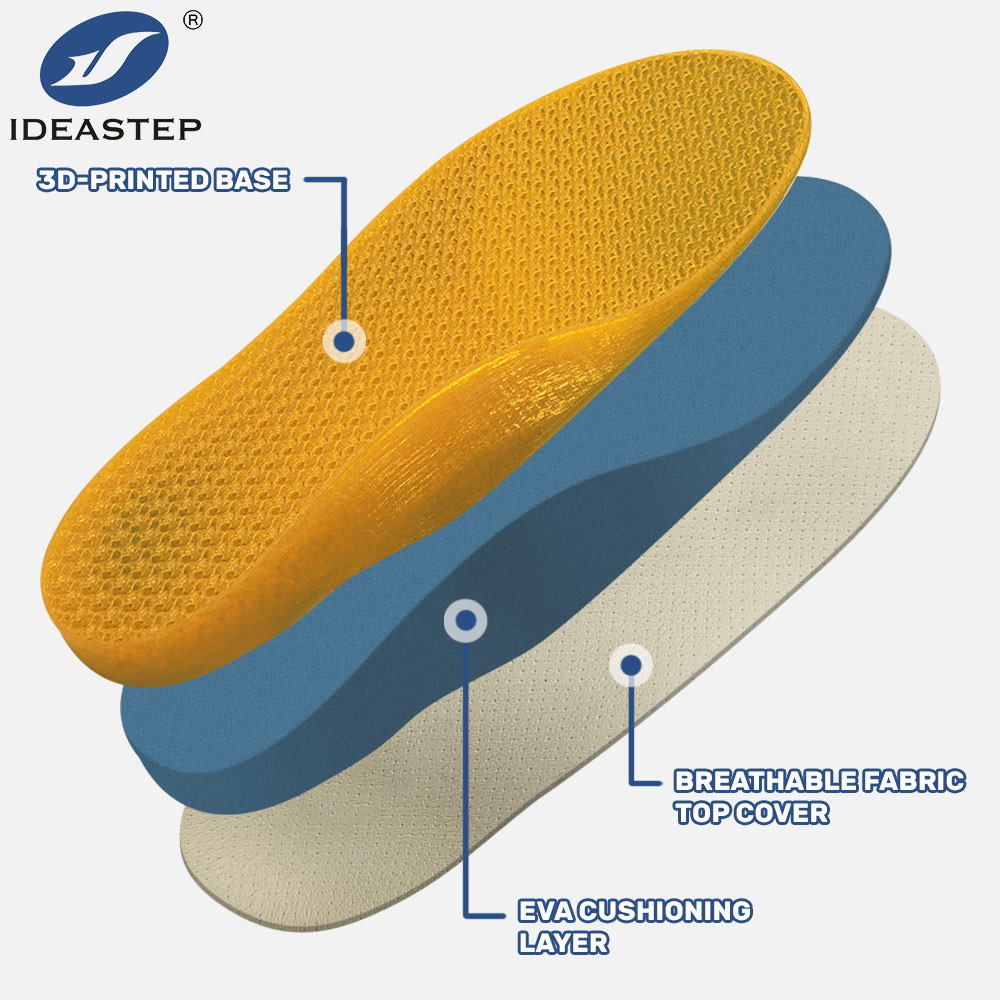
6. How EVA Foam Is Used in Shoe Manufacturing Systems
In industrial footwear production, EVA is not limited to a single component. It is integrated across multiple structural layers depending on product design requirements.
- Midsole systems: primary cushioning and impact control
- Insole layers: step comfort and pressure distribution
- Filler structures: weight reduction and shape stability
This multi-role functionality is one of the key reasons EVA remains a standard material in global footwear manufacturing.
7. Production Logic: Why Manufacturers Prefer EVA
From a factory perspective, EVA is not only a material choice but also a production efficiency decision.
- Stable compression molding process with high yield rates
- Low defect variability in mass production
- Flexible density adjustment for different product lines
- Predictable supply chain for bulk procurement
This consistency is more valuable to OEM programs than marginal performance differences in laboratory conditions.
8. How to Select the Right EVA Foam for Shoe Making
8.1 Density selection
Lower-density EVA provides softer cushioning but compresses faster. Higher-density EVA improves durability and structural stability for longer use cycles.
8.2 Hardness balance
The optimal EVA formulation balances softness and rebound. Too soft reduces support; too hard reduces comfort perception.
8.3 Application-based design
Different footwear categories require different EVA configurations. Sneaker programs prioritize comfort, while light work shoes require more stability.
9. EVA Foam in B2B Footwear Manufacturing
In global footwear supply chains, EVA foam remains a foundational material because it supports scalable OEM production without introducing unnecessary cost volatility.
For brands, it enables rapid product development across multiple categories while maintaining consistent manufacturing output.
- Stable raw material sourcing for bulk production
- Efficient OEM/ODM customization capabilities
- Cost-controlled scaling for retail programs
- Reliable performance in standardized footwear lines
10. Frequently Asked Questions (FAQ)
Why is EVA still widely used if it is not a high-end material?
Because most footwear programs prioritize scalability and cost efficiency over maximum material performance.
What is the main limitation of EVA foam?
Its main limitation is long-term compression under continuous heavy load, especially in lower-density grades.
Can EVA be used in premium footwear?
Yes, but it is usually combined with other materials to improve durability and structural performance.
Why do manufacturers prefer EVA for OEM programs?
Because it offers the most stable balance between production efficiency, material cost, and design flexibility.
11. Conclusion
Premium EVA foam for shoe making remains a core material in global footwear production not because it is the most advanced option, but because it is the most practical for mass manufacturing systems.
Its value lies in consistency, scalability, and predictable performance across large production volumes—qualities that are critical in OEM and private label footwear development.
For footwear brands and manufacturers, EVA continues to serve as a foundational material for building commercially viable, cost-efficient, and scalable product lines.
Related Post: High Performance eva foam shoe inserts for Lightweight Cushioning and Everyday Foot Comfort.