In modern footwear design and industrial shoe manufacturing, insoles are a key material that determines comfort, functionality, and durability. Whether in sports shoes, casual footwear, safety boots, or orthopedic shoes, the choice of insole material directly affects wearer experience, foot health, and overall shoe performance. In recent years, EVA insoles have become widely adopted due to their lightweight structure, cushioning ability, and customizable design. This article explores what EVA insoles are, their features, and their industrial applications, offering insights for footwear brands and factories.
What Is an EVA Insole?
Introduction to EVA Material
EVA, or Ethylene Vinyl Acetate, is a flexible foam material commonly used in insoles and midsoles. Its unique cellular structure provides lightweight properties, softness, cushioning, and elasticity, along with strong compression resistance and durability. Compared to PU, TPR, or rubber insoles, EVA reduces shoe weight while effectively dispersing impact forces, enhancing both comfort and performance.
Types of EVA Insoles
- Compression-molded EVA insoles: High density and strong support, suitable for functional and industrial shoes.
- Injection-molded EVA insoles: Allows complex shapes and designs, ideal for sports and casual shoes.
- High-density / high-rebound EVA insoles: Provide energy return for better athletic performance.
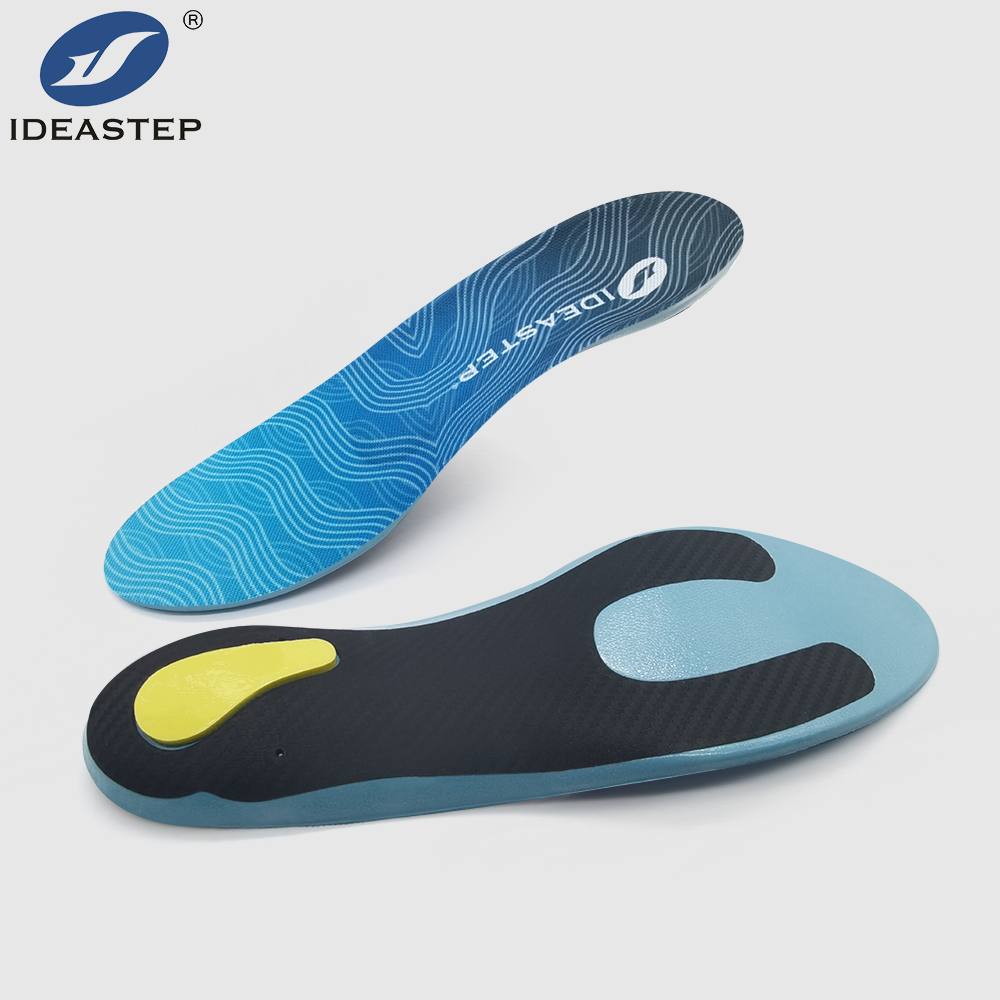
- Custom functional insoles: Adjustable thickness, hardness, and zoned cushioning for various foot types and footwear applications.
Key Features of EVA Insoles
Lightweight and Comfortable
EVA insoles reduce overall shoe weight, providing a lighter experience for long periods of wear. In sports footwear, they improve agility and responsiveness, while in industrial and casual shoes, they help reduce foot fatigue for extended standing or walking.
Cushioning and Shock Absorption
EVA insoles disperse pressure effectively through their cellular foam structure, minimizing impact on the feet, knees, and ankles. This reduces the risk of injuries during physical activity or long work hours and enhances overall comfort.
Durability and Support
High-quality EVA insoles maintain cushioning and elasticity over time while offering arch support, improving gait alignment and standing posture. This is especially beneficial in industrial footwear, sports shoes, and orthopedic applications.
Design Flexibility and Customization
EVA insoles can be tailored in terms of density, thickness, hardness, color, and logos. OEM/ODM customization allows brands to differentiate products and meet diverse market requirements.
Industrial Applications of EVA Insoles
Sports Footwear
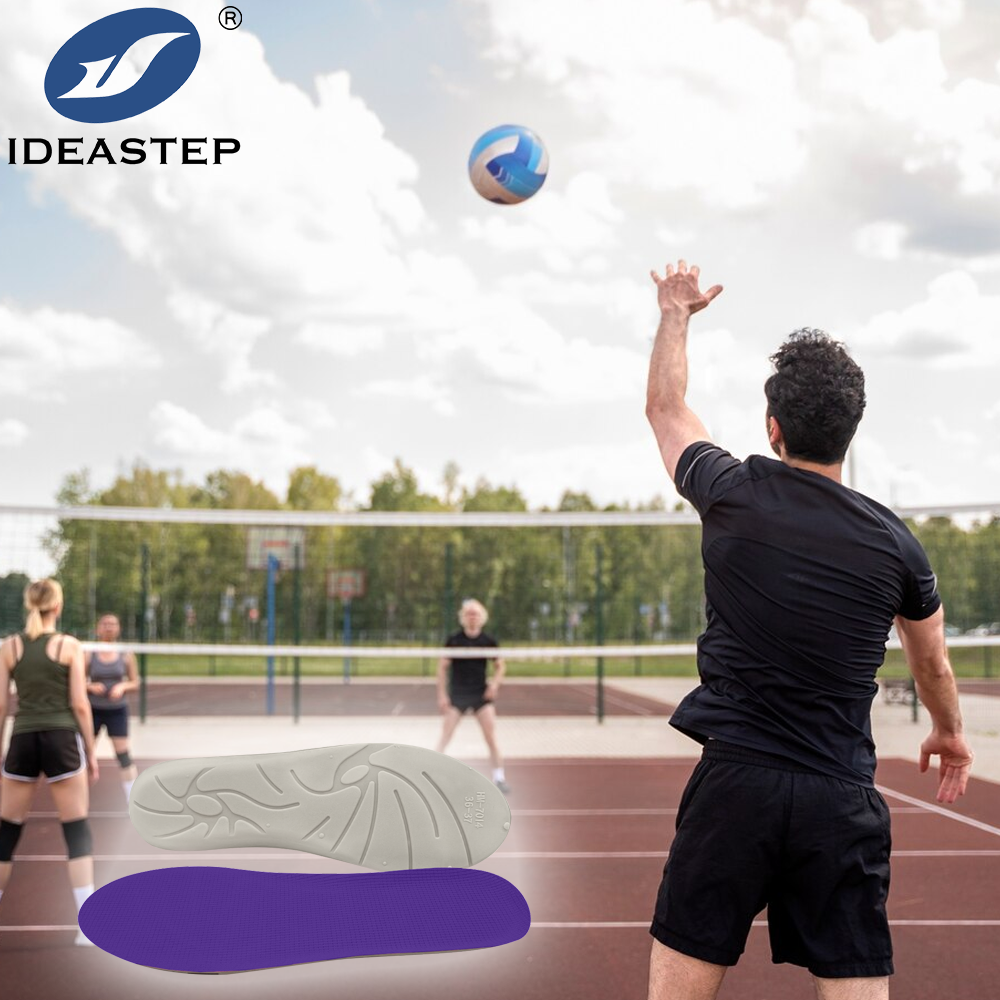
EVA insoles are used in running shoes, training shoes, and gym footwear to provide lightweight cushioning and energy return. High-rebound EVA insoles are particularly suitable for athletic shoes that require quick responsiveness.
Casual and Everyday Footwear
For daily wear and travel shoes, EVA insoles offer all-day comfort, keeping footwear lightweight and soft while reducing foot fatigue during long walks.
Industrial and Safety Footwear
In work boots and safety shoes, EVA insoles absorb shocks and distribute pressure, protecting feet during long hours of standing, walking, or handling heavy loads. This enhances worker comfort and overall productivity.
Medical and Orthopedic Footwear
In rehabilitation shoes, children’s shoes, and elderly footwear, EVA insoles provide cushioning and support, promoting foot health and aiding recovery.
Why Footwear Brands and Factories Choose EVA Insoles
Cost-Effectiveness and Production Efficiency
EVA insoles are easy to process, mold-compatible, and ideal for large-scale OEM/ODM production, reducing costs and shortening production cycles.
Support for Innovative Shoe Designs
Thick-soled shoes, elevator shoes, and functional footwear can benefit from EVA insoles, balancing comfort and functionality while supporting product innovation.
Enhancing Wearer Experience
High-quality EVA insoles improve comfort, reduce foot fatigue, and enhance brand competitiveness. Partnering with professional EVA insole suppliers enables customized solutions that add value to footwear products.
Future Trends in EVA Insole Technology
- High-rebound and ultra-light EVA materials: Improve athletic performance and industrial shoe comfort.
- Eco-friendly and sustainable EVA materials: Recyclable or bio-based formulations support environmentally conscious manufacturing.
- Customizable and modular designs: Personalized insoles for different foot shapes and footwear applications, enabling integrated insole-outsole solutions.
Conclusion
EVA insoles have become a widely used material in modern footwear design and industrial applications. They offer lightweight cushioning, durability, foot support, and customization capabilities, making them suitable for sports, casual, industrial, and orthopedic shoes. Working with a professional EVA insole supplier can enhance product comfort, functionality, and market competitiveness, providing a clear advantage for footwear brands and manufacturers.