Lightweight construction is no longer just a design trend—it directly impacts comfort, performance, and consumer satisfaction. EVA sole material has become a preferred solution for sports and casual shoe factories looking to combine comfort, durability, and cost-efficiency. In this article, we explore the advantages of lightweight EVA soles and why they remain a cornerstone in modern footwear manufacturing.
What Is EVA Sole Material?
Understanding EVA (Ethylene Vinyl Acetate)
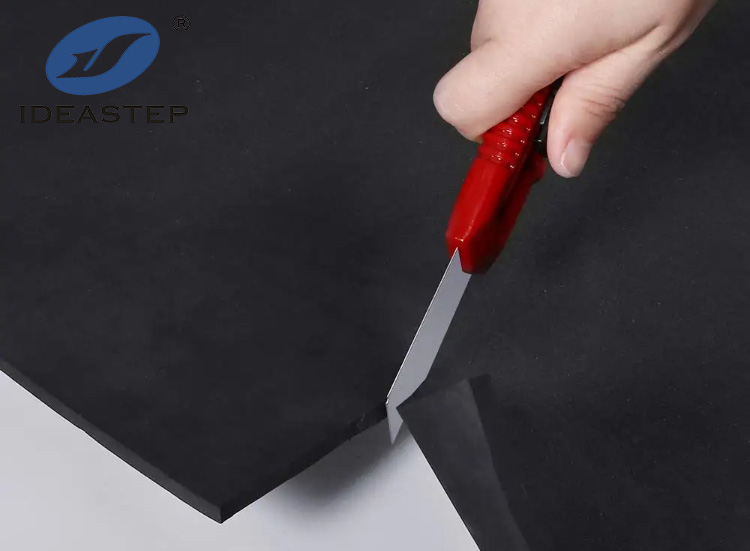
EVA, short for Ethylene Vinyl Acetate, is a flexible polymer widely used in footwear midsoles and outsoles. Its unique cellular foam structure provides softness, resilience, and effective shock absorption while remaining lightweight. Compared with traditional sole materials like rubber, PU, or TPR, EVA offers a balanced combination of performance, flexibility, and manufacturing efficiency.
Why EVA Is Popular in Footwear Manufacturing
For consumers, EVA contributes to lighter shoes, reducing fatigue during walking, running, or standing. For manufacturers, its moldability, processing efficiency, and cost-effectiveness streamline production while enabling versatile designs. Modern sports and casual footwear often rely on EVA soles to meet comfort and performance expectations simultaneously.
Comparing EVA with Other Sole Materials
- EVA vs Rubber: 20–25% lighter while providing similar cushioning and flexibility.
- EVA vs PU: More lightweight and easier to mold; slightly less dense but sufficient for most athletic and casual shoes.
- EVA vs TPR: Better shock absorption and flexibility for dynamic movements.
Key Benefits of Lightweight EVA Sole Material
Exceptional Lightweight Performance
EVA soles significantly reduce overall shoe weight, improving agility and long-term comfort. For athletes, this can enhance performance, while casual wearers enjoy a lighter feel for all-day comfort.
Superior Cushioning and Shock Absorption
The foam structure of EVA efficiently absorbs impact forces, minimizing stress on joints and muscles. Running shoes, training footwear, and walking shoes all benefit from reduced fatigue and improved comfort over prolonged wear.
Flexibility and Comfort
EVA adapts naturally to foot movements, ensuring a smooth stride whether walking, jogging, or running. Its flexibility accommodates various foot shapes and shoe designs, enhancing overall wearability.
Cost-Effective Manufacturing
EVA is easy to process and mold, enabling factories to maintain high production efficiency while keeping material costs manageable. This combination of performance and affordability makes it a go-to solution for footwear manufacturers.
Durability and Longevity
Modern EVA formulations maintain cushioning and resilience longer than earlier versions. Enhanced durability makes EVA suitable for both athletic and casual footwear, even under frequent use.
Why Sports Shoe Factories Prefer EVA Soles
Supporting Athletic Performance
Lightweight EVA soles reduce fatigue and improve responsiveness in running, training, and fitness shoes. Athletes benefit from improved energy return and reduced impact on joints, making EVA essential for performance footwear.
Reducing Athlete Fatigue
Heavy soles can increase strain during prolonged activity. EVA’s low weight helps minimize foot and leg fatigue, particularly important for long-distance runners and dynamic training routines.
Enabling Innovative Designs
The rise of thick-soled and high-rebound running shoes has increased demand for EVA materials that combine cushioning, lightweight construction, and design flexibility. EVA enables brands to create unique geometries and enhanced comfort systems without adding unnecessary bulk.
Advantages for Casual Footwear Manufacturers
Enhanced Everyday Comfort
For daily wear, EVA soles provide excellent cushioning and support, reducing foot fatigue during commuting, walking, or leisure activities.
Lightweight Lifestyle Footwear
Casual sneakers and lifestyle shoes benefit from EVA’s low weight, making them easier to wear all day without sacrificing style or comfort.
Design Versatility
EVA can be produced in different densities, colors, textures, and shapes, allowing designers to develop footwear that stands out in the market. This versatility supports custom and trend-driven collections.
Manufacturing Advantages for Shoe Factories
Easy Molding and Processing
EVA is compatible with injection molding, compression molding, and CNC processing, giving factories flexibility in production techniques.
High Production Efficiency
Short cycle times and efficient material usage reduce lead times and improve factory throughput.
Custom Density and Hardness Options
Factories can adjust EVA density, hardness, and rebound to meet specific performance requirements for sports, casual, recovery, or children’s footwear.
OEM and ODM Customization Opportunities
- Logo molding
- Color customization
- Sole pattern design
- Material density adjustment
Partnering with an experienced OEM/ODM manufacturer allows brands to deliver unique EVA soles tailored to their product lines.
Emerging Trends in EVA Sole Technology
Supercritical EVA Foam Technology
Supercritical foaming creates lighter, more responsive soles, improving energy return and cushioning performance.
Eco-Friendly EVA Materials
Recycled and bio-based EVA compounds are gaining traction, helping brands meet sustainability goals while maintaining performance.
High-Rebound EVA Compounds
Modern high-rebound EVA offers superior energy return, ideal for athletic and lifestyle shoes requiring both comfort and responsiveness.
Sustainable Manufacturing Practices
Factories adopting eco-conscious EVA production methods appeal to environmentally aware consumers and meet growing market expectations.
Choosing the Right EVA Sole Supplier
Selecting the right supplier is crucial for consistent quality and product performance. Key considerations include:
- Material quality and consistency
- Manufacturing capacity
- Customization and design capabilities
- Quality certifications and compliance
- Global export experience
A reliable EVA sole manufacturer with strong R&D capabilities ensures that brands can meet market demand efficiently and consistently.
Conclusion
Lightweight EVA sole material offers a unique combination of low weight, cushioning, flexibility, and cost-efficiency, making it an essential solution for modern sports and casual footwear. Sports shoe factories benefit from improved performance, reduced fatigue, and innovative design possibilities, while casual footwear brands gain comfort, versatility, and style advantages.
Partnering with a professional EVA sole manufacturer ensures your brand can deliver high-quality, customized, and durable footwear. Contact us today to explore tailored EVA sole solutions that enhance comfort, performance, and consumer satisfaction.